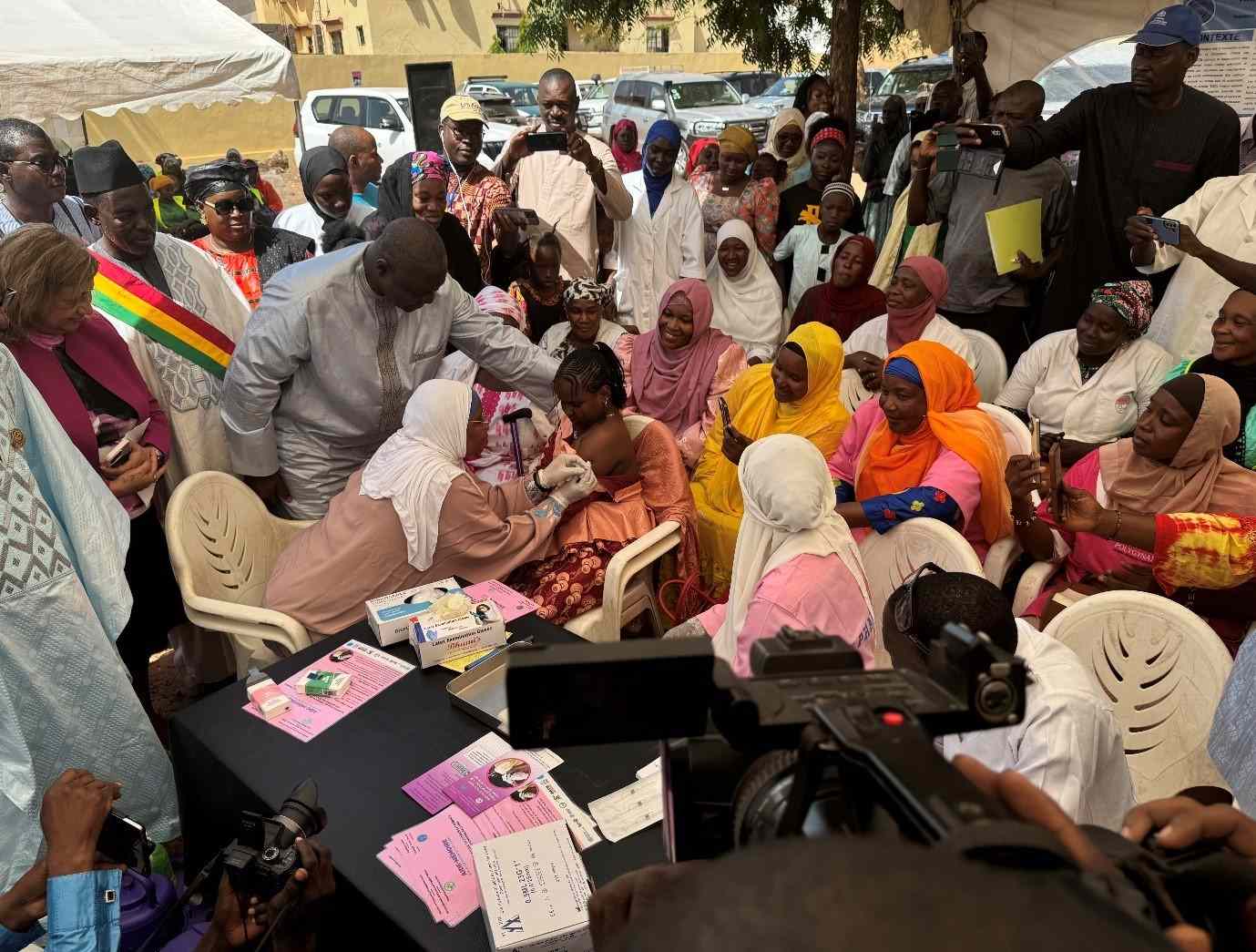
Mali launches HPV vaccine in historic public health milestone
In a landmark move to protect women’s health, the Malian government has integrated the human papillomavirus (HPV) vaccine into its routine immunization program. The launch ceremony in Bamako, attended by health officials and international partners including Gavi, marks a turning point in the fight against cervical cancer in the country.

Protecting future generations of Malian women
With this initiative, Mali aims to safeguard over 320,000 girls annually, potentially reducing cervical cancer cases by nearly 90% and preventing more than 3,600 deaths among Malian women each year. The vaccine, administered free of charge to girls aged 10, represents a major step toward health equity in a country where cervical cancer is the second most common cancer among women aged 15-44.
The harsh reality of cervical cancer in Mali
Fatoumata, a 38-year-old survivor, shares her harrowing experience: ‘I initially had fibroids that I delayed treating. When bleeding started, I finally had surgery. Post-surgery, I experienced clear, odorless discharge. My gynecologist’s diagnosis revealed cervical cancer. Treatment cost me between 5-6 million West African CFA francs, with the surgery alone accounting for two million.’ Her story highlights the devastating consequences of late detection and the financial burden of treatment in a healthcare system with limited resources.
The disease carries heavy cultural stigma in Mali, with some women associating it with curses or spells from relatives. A reproductive health advocate explains: ‘Some believe cervical cancer results from spells cast by co-wives or former partners, which prevents women from seeking timely medical care.’
Breaking new ground in public health
Dr. Ibrahima Diarra, Director of Mali’s National Immunization Center, emphasizes the vaccine’s significance: ‘A single dose provides protection for over a decade against the HPV strains responsible for 70% of cervical cancers.’ The vaccine is now freely available through routine immunization thanks to Gavi’s support and Malian government co-financing. Dr. Diarra explains the rationale behind targeting 10-year-old girls: ‘Their cervical tissue remains healthy before sexual activity begins, ensuring maximum vaccine efficacy.’ This approach aligns with World Health Organization recommendations for vaccinating girls aged 9-14.
A model for Sahel nations
Mali’s pioneering initiative positions it as one of the first Sahelian countries—and the first Gavi-supported fragile state—to introduce the HPV vaccine. This groundbreaking move not only protects generations of Malian women but also serves as an example for other nations in the region. By preventing cervical cancer, the program reduces the economic burden of expensive treatments while advancing health equity.
Combating vaccine misinformation
Health authorities face significant challenges from vaccine misinformation. Dr. Diarra firmly states: ‘It’s crucial to counter false claims. This vaccine is safe, effective, and does not affect fertility or reproductive health.’ Health Minister Colonel Assa Badiallo Touré echoed these reassurances during the launch.
By preventing cervical cancer through vaccination, Mali demonstrates a public health model centered on equity that protects the most vulnerable. This initiative represents a vital victory for women’s health and a step toward a safer future for Malian women, serving as an inspiration for similar efforts across Africa.
Comments are closed, but trackbacks and pingbacks are open.