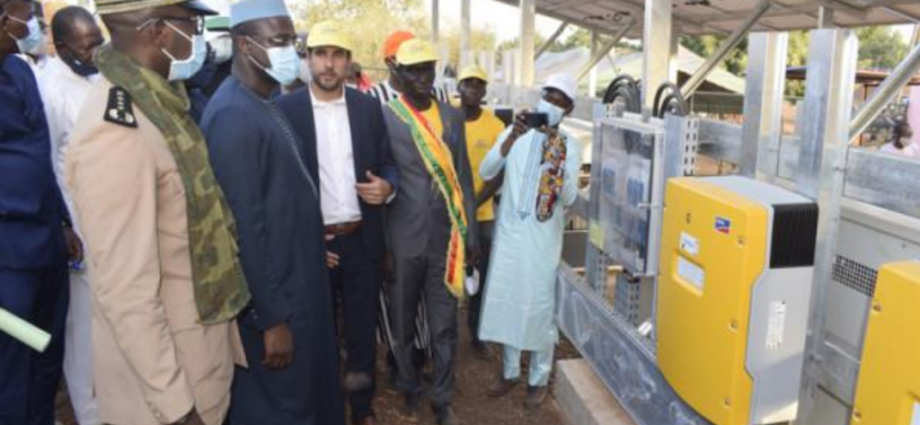
Energy infrastructure survives political rift with regional bloc
The Malian government remains committed to an ongoing regional electrification initiative coordinated by the Economic Community of West African States (CEDEAO), despite its formal withdrawal from the bloc. Officials confirm that the ECOWAS-REAP project continues to deliver tangible benefits to Malian communities, proving that development cooperation can outlast institutional fractures.
Regional electricity project proceeds despite diplomatic tensions
Initiated in 2019, the ECOWAS Regional Electricity Access Project (ECOWAS-REAP) targets underserved areas in Gambia, Guinea-Bissau, and Mali. With 225 million USD in World Bank funding and CEDEAO oversight, the program has connected 490 localities, providing improved or new electricity access to nearly 500,000 people across the three nations.
The Mali case study is particularly notable. Despite Bamako’s 2026 exit from CEDEAO alongside Burkina Faso and Niger, Malian authorities continue participating in technical coordination meetings. Most recently, Énergie du Mali (EDM-SA) representatives attended a progress review session in Abuja, Nigeria, demonstrating sustained operational cooperation.
Financial architecture bridges political divides
The World Bank’s 225 million USD commitment predates Mali’s withdrawal and functions as a multilateral safeguard against project abandonment. CEDEAO serves as the coordinating mechanism, while national electricity companies—including EDM-SA—manage implementation at the ground level. This division of responsibilities has allowed critical energy infrastructure to remain on track despite diplomatic ruptures.
Energy access remains national priority despite regional discord
For Mali, electricity access constitutes a vital development lever amid economic and security challenges. National Energy Director Oussouby Mary dit Ousmane Diarra has emphasized the project’s local impact while requesting a 30-month extension to accommodate security delays and contractual adjustments. The plea underscores how citizen needs transcend political realignments.
Cooperative resilience: when development outlasts diplomacy
This case challenges assumptions about regional cooperation during political fractures. The ECOWAS-REAP experience suggests that:
- Pre-existing commitments create institutional inertia favoring continuity
- Infrastructure investments generate lasting obligations beyond political cycles
- Technical cooperation can persist independently of diplomatic relations
CEDEAO now faces a dual mandate: ensuring the longevity of commissioned installations while enabling national utilities to sustain operations. For Mali, the imperative remains clear—maintain momentum in electrification regardless of institutional affiliations.
The West African power grid expansion continues its trajectory, proving that in an era of shifting alliances, development projects may find unexpected pathways to completion.
Comments are closed, but trackbacks and pingbacks are open.