Mali’s junta escalates hunt for terror chiefs with six-figure bounties
The Malian government has dramatically intensified its pursuit of key jihadist and rebel figures, offering substantial financial rewards for their capture or elimination. This bold move comes amid a surge of coordinated attacks that have shaken the nation’s security landscape.
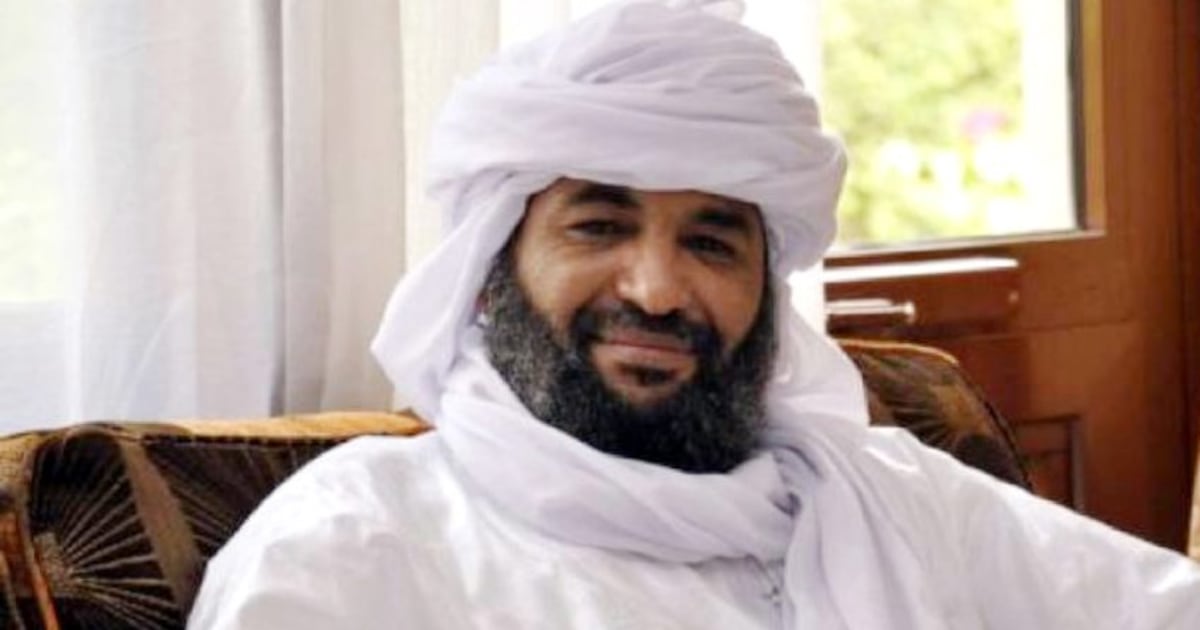
Among the most wanted is Iyad Ag Ghaly, a former Tuareg rebel turned diplomat, who now leads the Jama’at Nusrat al-Islam wal Muslimin (JNIM). Founded in 2017, the JNIM is Mali’s most formidable armed Islamist coalition, responsible for countless atrocities across the Sahel. Ag Ghaly himself is a fugitive on multiple international watchlists, including sanctions from the United Nations and a warrant from the International Criminal Court (ICC) for alleged war crimes and crimes against humanity.
Amadou Kouffa, another high-ranking JNIM commander, is also targeted, with a bounty of €2.2 million attached to his name. The government’s announcement follows devastating attacks on April 25 and 26, where jihadists from the JNIM—allied with the predominantly Tuareg Front de Libération de l’Azawad (FLA)—struck strategic positions nationwide, including a deadly suicide bombing that claimed the life of Defense Minister Sadio Camara, a central figure in the ruling junta.
Government cracks down with monetary incentives
In a televised address, authorities unveiled rewards for six individuals, emphasizing their roles in orchestrating and executing terrorism within Mali. The statement from the Ministry of Security and Civil Protection underscored the gravity of their crimes, declaring, “These individuals are sought for their suspected involvement in planning, organizing, and carrying out acts of terrorism that have endangered lives and property across the country.”
The rewards are part of a broader counterterrorism strategy, offering financial compensation to anyone providing credible, actionable intelligence leading to the arrest or neutralization of the fugitives. The move reflects the junta’s determination to dismantle the networks fueling Mali’s decade-long security crisis, which has also been exacerbated by the Islamic State (IS) and armed communal groups.
Decade of turmoil fuels need for decisive action
Since 2012, Mali has been locked in a relentless cycle of violence, with jihadist factions exploiting political instability and weak governance. The JNIM, led by Ag Ghaly, has emerged as the dominant force, while the FLA’s collaboration with Islamist militants has further destabilized the region. The latest offensive highlights the escalating threat to Bamako’s authority and the urgent need for robust security measures.