Measles outbreak in Niger soars with low vaccination rates
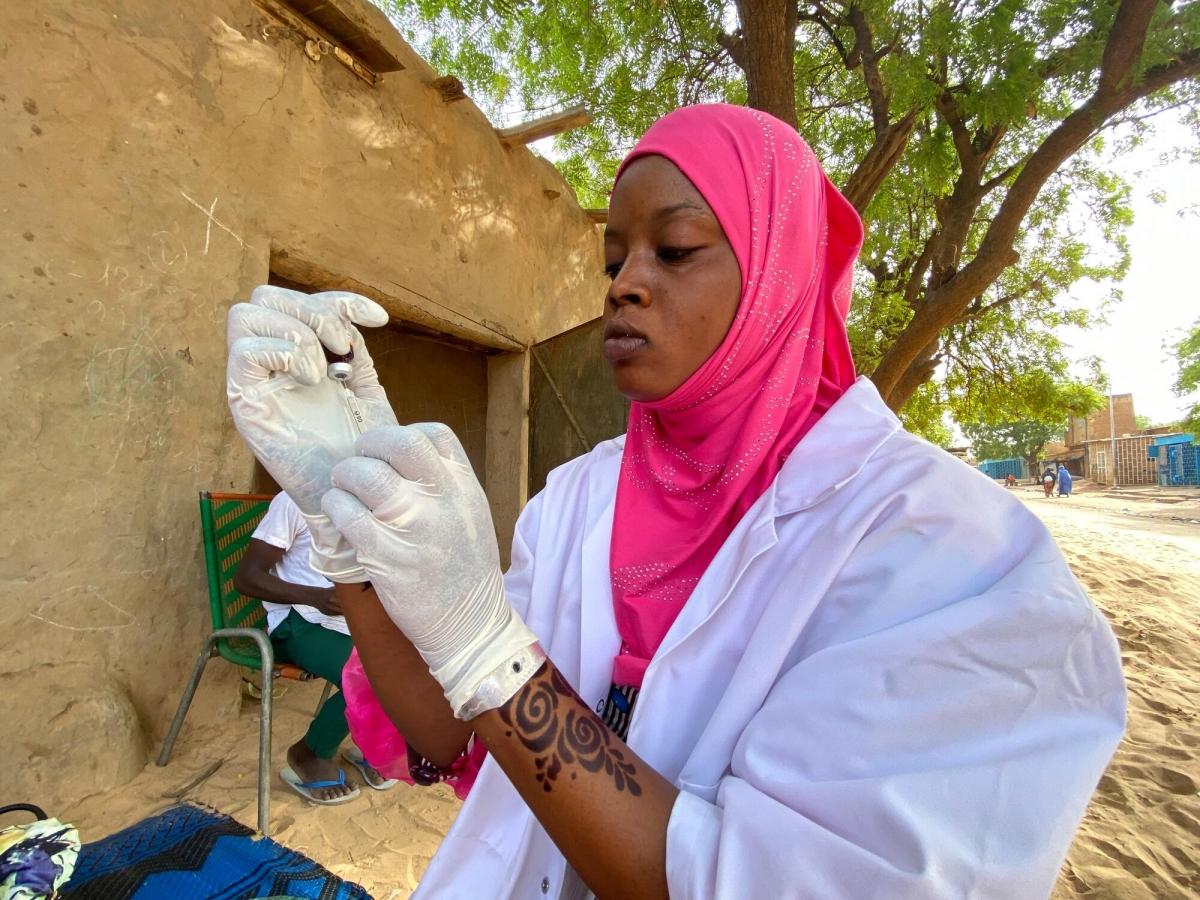
The Doctor François Rubona, Medical Coordinator for Médecins Sans Frontières (MSF) in Niger, shares insights on the escalating measles crisis since February. MSF has intensified vaccination efforts across Niger’s regions to curb early outbreaks of this highly contagious disease.
How severe is the measles epidemic in Niger this year?
This year has witnessed a dramatic surge in measles cases compared to 2020. Official data from Niger’s Ministry of Public Health reveals that 3,213 cases were recorded in the first quarter of 2021, against 1,081 cases during the same period last year—a nearly threefold increase. By April, Niger had already surpassed 6,000 suspected measles cases, resulting in 15 deaths. Twenty-seven out of seventy-three health districts are now classified as measles epidemic zones, with Agadez, Dosso and Tahoua being the worst affected regions.
Measles remains the world’s most contagious viral disease and a leading cause of childhood mortality. The World Health Organization (WHO) advocates for a 95% vaccination coverage to effectively combat the disease. However, numerous health centres in Niger report vaccination coverage rates as low as 50%. In areas like Diffa, Tillabéry and Tahoua, deteriorating security situations—triggering mass population displacements—have significantly hindered primary healthcare access, thereby exacerbating the decline in vaccination rates. The ongoing Covid-19 pandemic has further complicated regular and catch-up vaccination campaigns across the country.
What challenges do MSF teams face amid this measles crisis in Niger?
When Niger reported its first Covid-19 cases in March 2020, widespread fears regarding this unknown disease likely led to a sharp decline in health centre attendance. Consequently, fewer mothers brought their children for routine vaccinations.
The pandemic has also taken a toll on Niger’s healthcare workforce, with medical personnel testing positive or being identified as contacts, thereby reducing available human resources in health facilities. Healthcare efforts were primarily redirected toward Covid-19 response, impacting preventive activities. Additionally, MSF faced significant hurdles in importing essential medical supplies due to multiple restrictions and border closures. To address the worsening measles situation, MSF has successfully imported nearly 700,000 measles vaccine doses into Niger this year, ensuring adequate stock for emergency preparedness.
Communities across Niger have shown minimal participation in recent measles vaccination drives, largely due to confusion with Covid-19 vaccination efforts. In areas like Niamey and Tillabéry, certain populations have outright refused vaccination. In response, MSF has significantly strengthened community engagement and awareness initiatives. These efforts aim to educate families about measles, its potential devastating impact on children’s health, the critical importance of vaccination in protecting their children, and breaking the chain of disease transmission.
What are the projected epidemic trends for Niger in the coming months?
The current situation in Niger remains deeply concerning, highlighting a marked decline in routine vaccination coverage and preventive healthcare activities. This pattern has been observed previously with meningitis, where the country recorded over 1,100 cases. Without consistent implementation of routine or catch-up vaccination programmes, the repercussions of this decline are likely to persist for several years to come.
As Niger approaches its annual peaks in malaria and malnutrition cases, health experts are closely monitoring disease trend evolutions. Last year’s malaria peak was particularly severe, both in magnitude and duration. It concluded unusually late, in January 2021.
This alarming scenario, coupled with alarming food security and malnutrition projections for the country this year, underscores the urgent need for heightened vigilance. This vigilance must extend to lesser-known regions, often overlooked by donor communities due to their distance from armed conflict epicentres. Regions like Maradi and Zinder demand immediate attention and resources to prevent further health crises.
The Doctor François Rubona, Medical Coordinator for Médecins Sans Frontières (MSF) in Niger, shares insights on the escalating measles crisis since February. MSF has intensified vaccination efforts across Niger’s regions to curb early outbreaks of this highly contagious disease.
Comments are closed, but trackbacks and pingbacks are open.