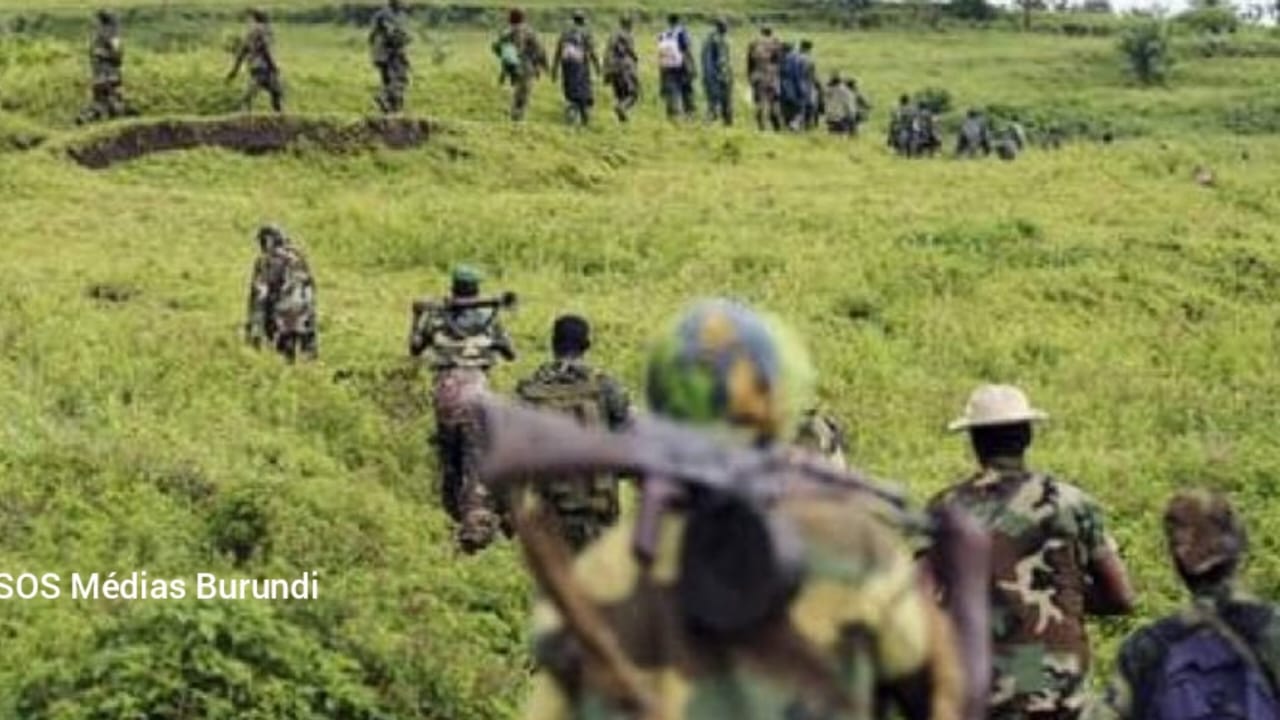
The high plateaus of Fizi and Mwenga in South Kivu have been the scene of intense military confrontations for nearly a week. The Twirwaneho rebels, now allied with the AFC-M23 politico-military coalition, engaged in fierce battles against the Armed Forces of the Democratic Republic of the Congo (FARDC), which were supported by the Burundian National Defence Force (FDNB) and the Wazalendo militias.
Following these prolonged engagements, the Twirwaneho/M23 alliance has declared a significant military success, asserting that they have pushed government-aligned forces back from several strategic points surrounding Minembwe. Reports from the ground suggest a notable withdrawal of the coalition troops toward new positions.
Local accounts indicate that the fighting reached a peak of intensity during the week, characterized by the deployment of heavy artillery, drones, and aerial bombardments. The FARDC and their Burundian partners reportedly pulled back toward the areas of Lwiko, Mutunda, and Miko, effectively leaving various peripheral outposts around Minembwe under the control of the Twirwaneho/M23 fighters.
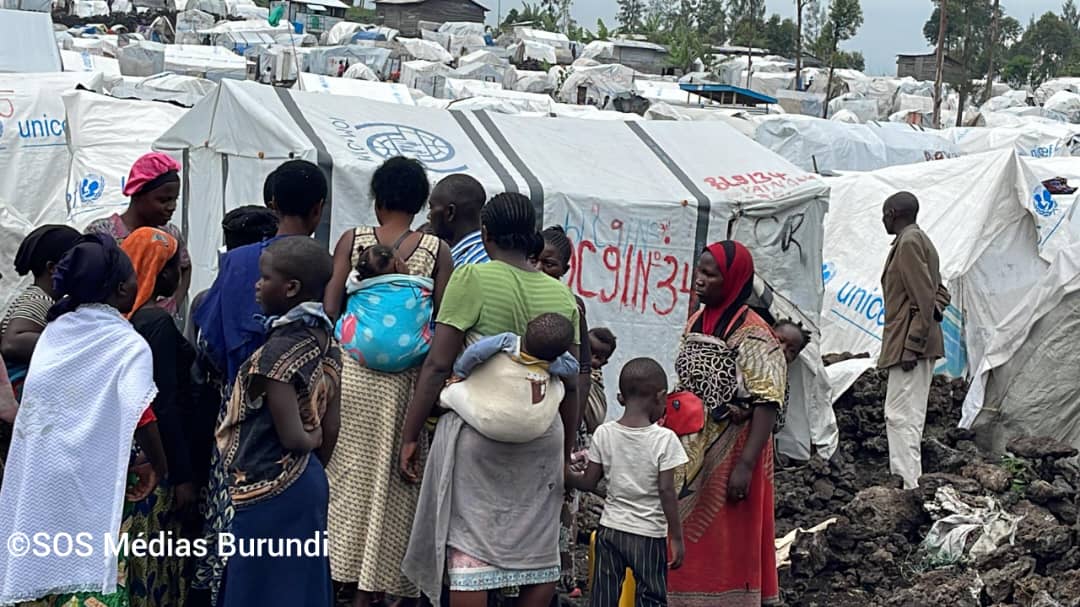
The humanitarian impact has been severe, with many residents fleeing the violence toward Kiziba. Displaced civilians have described scenes of chaos and widespread panic. While an official casualty count remains unavailable, witnesses have reported that bombardments struck residential zones, forcing thousands to abandon their homes.
While the FARDC has yet to issue a formal statement on the current status of the front, local military sources have acknowledged a strategic repositioning. This move follows particularly brutal exchanges in the Ilundu and Bidegu sectors. There are unconfirmed reports that retreating Burundian soldiers may have abandoned military equipment near Kakenge, with significant losses rumored among the ranks of the FARDC, FDNB, and Wazalendo.
Claims of victory and territorial consolidation
The Twirwaneho/M23 leadership has adopted a triumphant tone, maintaining that they have successfully repelled the government offensive and solidified their grip on the heights of Minembwe. This shift in the front line represents a major development in the ongoing regional struggle.
Moïse Nyarugabo, a former national deputy, expressed that the immediate military threat to the Minembwe community has been neutralized. He noted that despite the use of Sukhoi fighter jets and advanced drone technology, the attacking forces were forced to retreat beyond the Lwiko River.
He further argued that the military operations conducted over the past few months have failed to bring lasting security to the volatile high plateaus. Instead, he accused the government coalition of being responsible for the displacement of local populations and the destruction caused by heavy shelling.
The controversial presence of Burundian forces
The involvement of the FDNB alongside the Congolese army continues to spark debate and tension in the region. Security analysts have pointed to allegations that Kinshasa may have offered Gitega mining rights in the Fizi and Minembwe areas in exchange for their military intervention. While these claims have not been officially confirmed by either government, the bilateral security cooperation is well-documented.
Presidents Félix Tshisekedi and Évariste Ndayishimiye have previously acknowledged the existence of an agreement that allows Burundian troops to operate on Congolese soil. Records indicate that between late 2022 and late 2025, more than 29,000 Burundian soldiers were deployed to eastern Congo to combat various rebel groups.
Recently, the Burundian military has carried out new deployments following the withdrawal of AFC-M23 from the strategic city of Uvira. That city had been under rebel occupation for a month before they pulled back under international pressure and diplomatic efforts aimed at regional de-escalation.
The AFC-M23 and Twirwaneho alliance
The M23 movement is a central pillar of the Alliance Fleuve Congo (AFC-M23), a coalition led by Corneille Nangaa. In the South Kivu highlands, this group has found a key partner in the Twirwaneho militia, which is primarily composed of youth from the Banyamulenge community.
This conflict is deeply embedded in a web of regional rivalries. The Congolese government frequently accuses Rwanda of providing support to the AFC-M23, a charge that Kigali denies while accusing Kinshasa of collaborating with the FDLR. Similarly, Burundi and Rwanda have traded accusations regarding the support of armed groups operating across their shared borders.
The M23, which resumed its insurgency in late 2021 after claiming the government failed to honor previous peace agreements, now exerts influence over several vital economic corridors and strategic towns in both North and South Kivu.
Persistent instability in the Great Lakes
Despite numerous diplomatic initiatives and regional peace accords, the situation in eastern Congo remains precarious. The high plateaus of Fizi continue to be one of the most volatile zones in the Great Lakes region, where local grievances are constantly exacerbated by the shifting alliances and geopolitical tensions between Kinshasa, Kigali, and Gitega.
Comments are closed, but trackbacks and pingbacks are open.