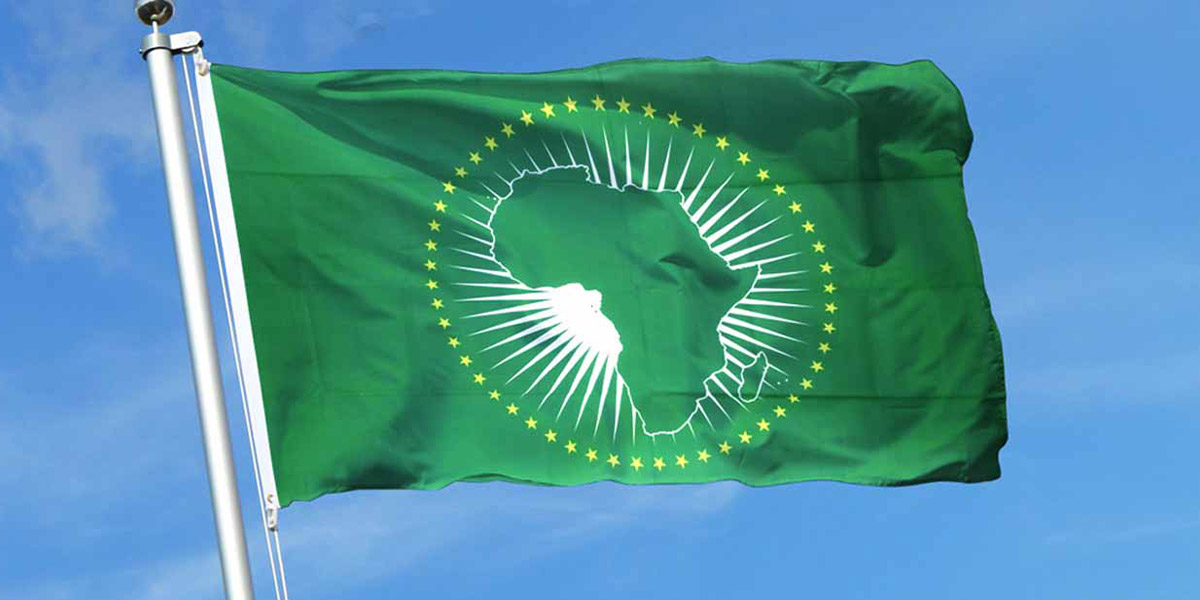
The Kingdom of Morocco has secured nine critical leadership positions within key organs of the African Union (AU), reinforcing its strategic influence in continental governance. These appointments span critical areas such as institutional reforms, migration governance, financial sustainability, environmental challenges, and economic integration—positions that will shape the future direction of Africa’s premier political organization.
Following regional consultations across North Africa, Morocco emerged as the leading North African nation in terms of leadership roles allocated. This development reflects growing trust among African peers and underscores the country’s expanding diplomatic footprint in shaping the continent’s most pressing policy debates. The appointments come at a pivotal moment as the AU advances major initiatives, including institutional reform, governance enhancement, financial autonomy, regional economic integration, and climate resilience.
strengthened influence in AU decision-making bodies
Morocco will assume the vice-presidency of the African Ministerial Committee on African Candidatures, a body responsible for coordinating the continent’s positions and advocating for African leadership roles in international multilateral organizations. This role provides the Kingdom with a powerful platform to amplify Africa’s voice in global governance forums and strengthen the continent’s collective bargaining power.
Additionally, Morocco will serve as vice-president of the Bureau for Contributions and Assessment of Member States’ Dues. While technical in nature, this position is pivotal to the AU’s financial health. It directly impacts the organization’s ability to secure predictable funding, reduce dependency on external partners, and implement critical programs across member states—key priorities in the AU’s ongoing financial reform agenda.
legal, economic, and institutional priorities on the continent
Morocco has also been appointed to two specialized technical committees that play central roles in shaping African public policy. The first is the Committee on Justice and Legal Affairs, where the AU is working to strengthen legal frameworks, harmonize regulatory approaches, and support institutional consolidation across member states. The second is the Committee on Economic Development, Tourism, Trade, Industry, and Mining—a portfolio that aligns closely with the Kingdom’s long-standing commitment to regional integration, industrialization, and sustainable economic diversification.
These engagements reflect Morocco’s strategic focus on fostering cooperation, building economic bridges, and contributing to the design of development models that enhance African competitiveness. Through active participation in these forums, the Kingdom continues to advocate for inclusive growth, value-added trade, and the creation of regional value chains that empower African economies.
central role in the COREP and institutional reform
Morocco will further strengthen its presence within the subcommittees of the Committee of Permanent Representatives (COREP), the AU’s operational backbone. The Kingdom will serve as vice-president of the Subcommittee on Institutional Reforms, a critical dossier in the AU’s ongoing efforts to rationalize its structures, improve operational efficiency, and clarify strategic priorities.
In parallel, Morocco will chair the Subcommittee on Environmental Affairs, a role that takes on heightened significance amid escalating climate impacts across Africa—including droughts, floods, soil degradation, and water scarcity. The Kingdom will also participate as a member of the Subcommittee on Human Rights, Democracy, and Governance, engaging with sensitive issues related to institutional strengthening, the rule of law, and Africa’s governance mechanisms.
migration governance: sharing a proven national model
Morocco has been named a member of the Continental Migration Centre, with Moroccan experts seconded to support the center’s work. This appointment validates the Kingdom’s recognized leadership in African migration governance and builds on its long-standing commitment to a humane, solidarity-based, and responsible approach to migration.
The Moroccan model emphasizes the dignity of migrants, collaboration between countries of origin, transit, and destination, and the vital link between mobility, development, and stability. By sharing its experience—widely cited in African policy debates—the Kingdom reinforces its reputation as a trusted partner in regional migration governance and consolidates its legitimacy as a key voice in shaping continental migration policies.
Comments are closed, but trackbacks and pingbacks are open.