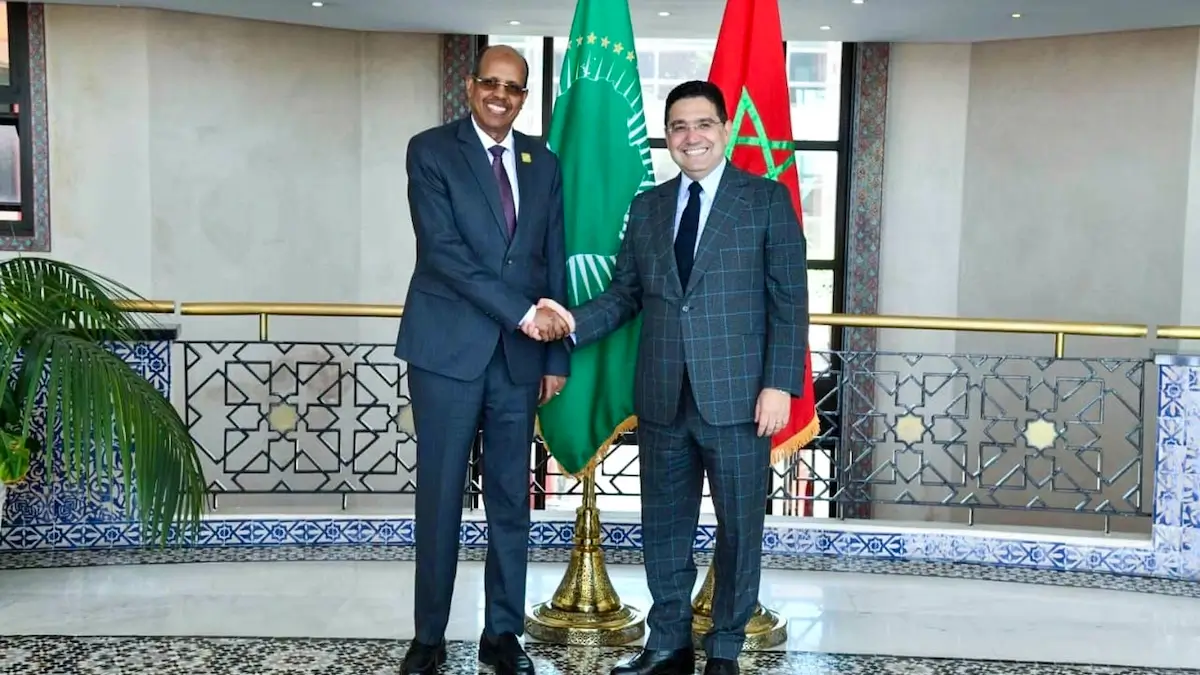
Morocco secures nine key seats in African Union governance bodies
Morocco has secured nine prestigious positions within African Union institutions, emerging as the leading North African beneficiary of leadership roles across key governance bodies. This development marks a significant milestone in Rabat’s strategic reintegration into the continental bloc since its return in 2017.
The appointments reflect the growing confidence African nations place in Morocco’s diplomatic approach, particularly its balanced engagement across economic, institutional, and social domains. Rabat now holds leadership positions in strategic committees overseeing governance reform, institutional development, migration policy, legal affairs, economic growth, and environmental sustainability.
Among the most notable appointments, Morocco has been named vice-president of the ministerial committee coordinating Africa’s candidacies for international organizations. This role significantly enhances Rabat’s influence in shaping the continent’s global representation strategy.
The Kingdom has also been entrusted with the vice-presidency of the bureau overseeing member state contributions and quota calculations, positioning it at the heart of financial governance discussions within the African Union.
Morocco’s presence has been further strengthened in specialized technical committees, including the justice and legal affairs committee and the economic development, tourism, trade, industry, and mineral resources committee. These bodies play crucial roles in shaping continental policies across vital sectors.
Within the Committee of Permanent Representatives (COREP), Morocco has been appointed vice-president of the institutional reforms sub-commission and president of the environmental affairs sub-commission. Rabat will also occupy a seat on the sub-commission for human rights, democracy, and governance.
Another testament to the continent’s trust in Morocco’s migration policy approach, the Kingdom has been selected to serve on the Continental Migration Council’s board, with Moroccan experts set to contribute directly to its operations. Migration has become one of Morocco’s most visible areas of engagement within the African Union. African leaders have previously praised King Mohammed VI’s leadership in promoting a migration strategy based on solidarity, shared responsibility, and development-focused solutions rather than purely security-based approaches.
These appointments come as Morocco deepens its involvement in major continental initiatives, including the implementation of the African Continental Free Trade Area, regional connectivity projects, and development programs designed to boost economic integration and investment across Africa.
For Morocco, these nine positions represent far more than symbolic representation. They place the Kingdom at the helm of some of the African Union’s most influential decision-making and policy-shaping bodies, enabling Rabat to play a more direct role in defining the organization’s future priorities and strategic direction.
This outcome underscores how Morocco’s return to the African Union less than a decade ago has evolved into a broader strategy of institutional influence. Rabat is increasingly positioning itself as a leading diplomatic and economic actor on the continent and as a vital bridge between Africa and its international partners.
By Abdoulaye Mounkaila — Reporter
Comments are closed, but trackbacks and pingbacks are open.