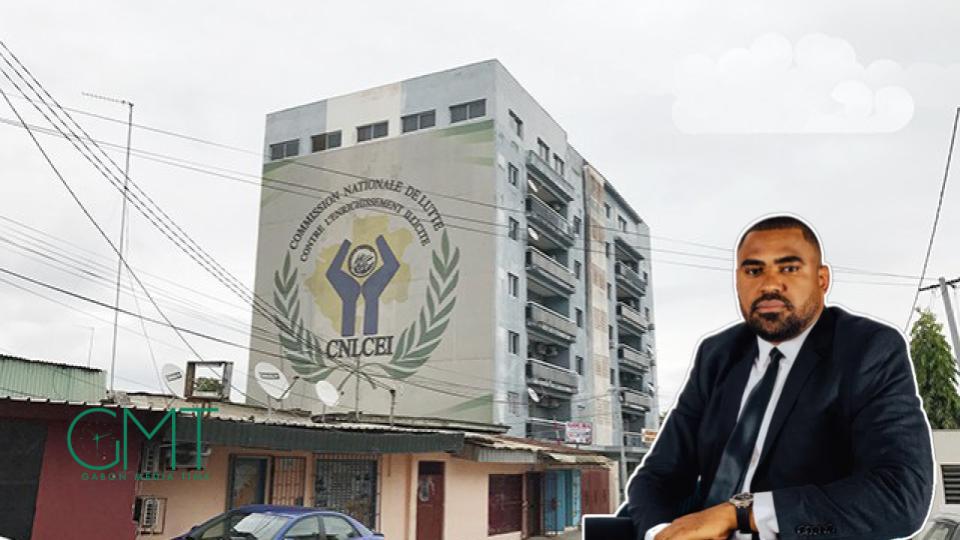
Gabon stands at a pivotal moment in its fight against corruption, with international experts set to conduct a high-stakes evaluation from June 29 to July 1, 2026. The assessment, mandated by the United Nations Office on Drugs and Crime (UNODC), will scrutinize the country’s anti-corruption framework and efforts to recover illicit assets under the second review cycle of the United Nations Convention against Corruption (UNCAC).
Assessing the true extent of corruption in Gabon
While the evaluation may seem like just another diplomatic engagement, it carries profound implications for Gabon’s governance and societal trust. The UNCAC, ratified by Gabon in 2007, demands concrete actions in transparency, institutional accountability, whistleblower protection, and asset recovery. This peer-review process, conducted alongside Chad and Libya, aims to identify gaps in implementation and provide actionable recommendations.
The first review cycle (2010–2015) focused on criminalization and judicial cooperation. The current phase zeroes in on prevention and the recovery of misappropriated funds—a critical juncture for a nation grappling with systemic graft.
Measuring progress: institutions and reforms under the microscope
The Gabonese public remains skeptical about the effectiveness of the National Commission against Corruption and Illicit Enrichment (CNLCEI), an institution tasked with combating graft. Despite reforms expanding its powers and constitutional provisions mandating transparency, skepticism persists. The CNLCEI’s evolution since the 2023 political transition has been slow, with visible actions still lagging behind declarations.
Key milestones, such as the swearing-in of new CNLCEI rapporteurs in February 2026 and capacity-building workshops like the July 2025 ethics code sensitization, signal institutional efforts. Yet, tangible outcomes—recovered assets, prosecutions, or public trust—remain elusive. The May 2026 governance symposium, supported by the International Organisation of La Francophonie, underscored the need for stronger institutional tools but did little to address operational shortcomings.
Is good governance just a slogan in Gabon?
Gabon has made incremental strides: expanded asset declaration requirements for officials, constitutional transparency clauses, and broader inter-agency coordination. During the 17th session of the UNCAC Implementation Review Group in Vienna, Gabon’s delegation highlighted improved administrative convergence and adherence to UNODC standards. However, these measures lack cohesion. There is no national anti-corruption strategy, no quantified roadmap, and no independent monitoring mechanism.
Institutions operate in isolation, policies lack enforcement teeth, and justice systems remain bogged down by delays. The 93.25% of public contracts awarded without competitive bidding, as revealed by a former Finance Minister, exemplifies the entrenched culture of opacity. Transparency International’s Corruption Perceptions Index, though showing a two-point improvement since 2024, still ranks Gabon in the lower tiers—a clear indication that perception and reality diverge sharply.
What the Gabonese must demand from this evaluation
International cooperation is commendable, but Gabon must go further. The evaluation presents an opportunity to confront uncomfortable truths: the prevalence of conflicts of interest, the normalization of direct public contract awards, and the blurred lines between public resources and private gain. For recommendations to be meaningful, Gabon must demonstrate unwavering transparency, allowing evaluators full access to scrutinize its systems.
While progress exists, it is fragmented and insufficient. The Gabonese people deserve more than symbolic gestures. They need a coordinated, results-driven anti-corruption strategy—one that delivers justice, recovers stolen wealth, and restores faith in their institutions. The coming week’s assessment will reveal whether Gabon’s efforts are sufficient or merely a facade.
As citizens, we must hold our leaders accountable—not just during workshops or symposiums, but through measurable actions and unyielding transparency.
Comments are closed, but trackbacks and pingbacks are open.