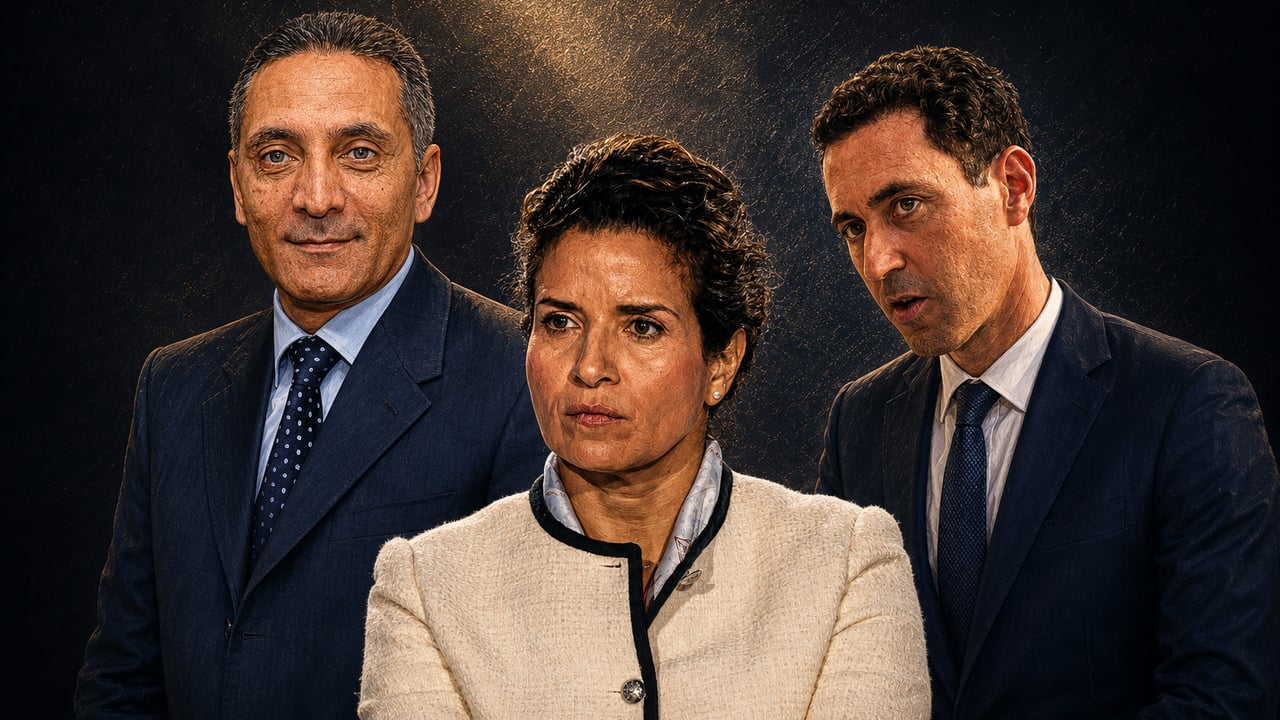
As Morocco approaches a pivotal legislative vote in September 2026, the race to succeed Prime Minister Aziz Akhannouch intensifies. The political landscape is crowded with ambitious figures, each vying for a chance to lead the North African kingdom into a new era. While some candidates bring extensive experience and strong party backing, others rely on charisma and fresh perspectives to carve out their path to power.
key players in the upcoming marocain political showdown
The current government, led by Akhannouch, has set the stage for a high-stakes transition. Among the most prominent names circulating in diplomatic and political circles are:
- Mostafa Terrab – A respected technocrat known for his leadership in state-owned enterprises, particularly in the phosphate and mining sectors.
- Nizar Baraka – A seasoned politician with deep ties to the Istiqlal Party, bringing decades of experience in economic and social policy.
- Abdelouafi Laftit – The current Interior Minister, whose tenure has been marked by security challenges and administrative reforms.
- Younes Sekkouri – A former minister of digital transformation, credited with spearheading Morocco’s digital strategy and youth engagement initiatives.
- Nadia Fettah Alaoui – A trailblazer in Morocco’s business and political spheres, known for her sharp economic insights and reformist agenda.
- Fouzi Lekjaâ – A rising star in the National Rally of Independents (RNI), with a focus on economic liberalization and private sector growth.
the challenges ahead for aspiring leaders
Navigating Morocco’s complex political terrain requires more than just ambition. Potential candidates must balance party loyalty, public expectations, and the kingdom’s strategic interests. The upcoming elections will test not only their political acumen but also their ability to unite a diverse electorate amid shifting regional dynamics.
what sets these contenders apart
While some candidates represent continuity, others promise bold reforms. Terrab’s technical expertise contrasts with Baraka’s long-standing political influence, while Sekkouri’s digital-first approach appeals to younger voters. Alaoui’s unique blend of business and political leadership offers a fresh alternative, whereas Laftit’s security-focused background aligns with Morocco’s priorities in a volatile region. Lekjaâ, meanwhile, embodies the RNI’s vision of economic modernization.
As the deadline for nominations looms, Morocco’s political elite is bracing for a reshuffle that could redefine the country’s future. The stakes are high, and the contenders are gearing up for a battle that will shape the kingdom’s next chapter.
Comments are closed, but trackbacks and pingbacks are open.