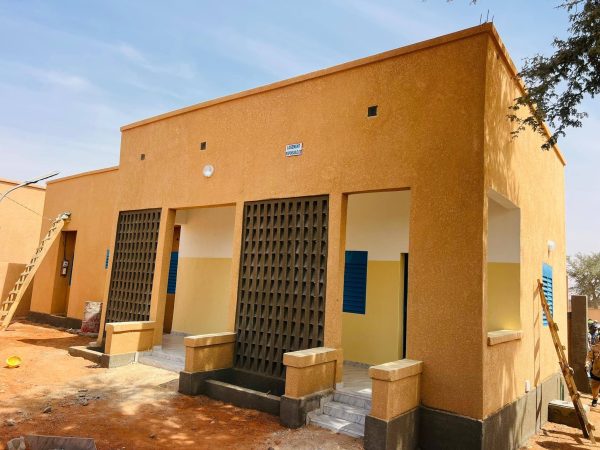
In the heart of Niger, the region of Maradi is experiencing a transformative shift in its healthcare landscape. Three brand-new health centers (CSI type II) have recently been inaugurated in Maradi and Tessaoua, marking a significant milestone in expanding access to essential medical services for urban and peri-urban populations.
This initiative, spearheaded by the Integrated Urban Development and Multisectoral Resilience Project (PIDUREM), represents a bold step toward decentralizing healthcare and easing the burden on regional hospital facilities.
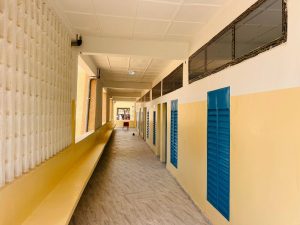
strengthening healthcare infrastructure with modern facilities
The rollout of these new health centers in Maradi and Tessaoua underscores the PIDUREM project’s commitment to improving healthcare accessibility. The ADS neighborhood in Maradi’s third arrondissement and Tessaoua’s Toudou district now host brand-new type II integrated health centers, equipped to deliver advanced medical services. These facilities, provisionally handed over between March and October 2025, are now fully operational, equipped with cutting-edge technology to meet the needs of local communities.
institutional backing ensures project success
The deployment of these centers is backed by robust institutional support. High-ranking officials, including the Regional Secretary-General, the City’s Delegated Administrator, and the Regional Director of Public Health, were present during the handover of medical equipment. This collective involvement highlights the project’s transparency and accountability.
“Bringing healthcare closer to citizens is no longer just a promise—it’s a tangible reality right in our neighborhoods,” stated a spokesperson from the Regional Public Health Directorate.
Beyond construction, the project includes a comprehensive equipment package tailored to type II health centers. In Tessaoua, a third site in Tsamia Koura is nearing completion, with equipment installation scheduled immediately after construction concludes. This phased approach ensures that facilities are fully functional the moment they open their doors.
For Niger, a nation striving to meet Sustainable Development Goals (SDGs) in healthcare, the PIDUREM model sets a new standard. By combining infrastructure development with the simultaneous delivery of medical equipment, the project avoids the pitfalls of underutilized facilities—a common issue in development initiatives. In Maradi, the future of community healthcare looks brighter than ever.
Comments are closed, but trackbacks and pingbacks are open.