Dr Jean Baptiste Nikiema begins role as WHO Resident Representative in Niger
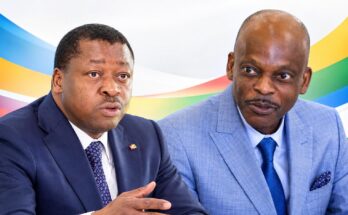
Niamey, November 12, 2025 – Dr Jean Baptiste Nikiema has officially assumed his duties as the new Resident Representative of the World Health Organization (WHO) in Niger. During a formal ceremony, he presented his credentials to Niger’s Minister of Foreign Affairs, Cooperation, and Nigeriens Abroad, His Excellency Mr. Bakary Yaou Sangaré. The event was attended by WHO staff in Niger and senior officials from the Ministry, underscoring the strong and longstanding partnership between the WHO and Niger.
Following the credential presentation, the Minister granted Dr. Nikiema an audience where they discussed critical health priorities for Niger, Africa, and global health. The Minister highlighted the WHO’s vital role as both a technical advisor and secretariat to member states, emphasizing the need for effective collaboration to enhance Niger’s health system and improve population health outcomes.
Key areas of cooperation
Several priority areas were identified for joint action:
- Primary healthcare access – Expanding community-level health services to reach underserved populations
- Health system strengthening – Building resilient, efficient, and sustainable health infrastructure
- Maternal and child health – Reducing preventable deaths and improving nutrition for mothers and children
- Health promotion and disease prevention – Addressing social determinants of health and combating infectious diseases
- Emergency preparedness and response – Strengthening Niger’s capacity to handle health crises
Dr. Nikiema commended Niger’s leadership in advancing population health, particularly its progress in child immunization, reducing maternal and perinatal mortality, eliminating onchocerciasis, and responding to outbreaks. The discussion also addressed financial constraints impacting WHO operations, with Dr. Nikiema acknowledging the Nigerien Government’s support through the Ministry of Health. He also praised efforts to mobilize domestic resources, digitize health services, and expand telemedicine initiatives.
Dr. Nikiema reaffirmed his commitment to working in alignment with Niger’s national priorities, respecting its sovereignty, and supporting health sovereignty to improve the well-being of all citizens.
Extensive experience in public health leadership
Dr. Nikiema brings over three decades of expertise in public health and health diplomacy to his new role. His professional background spans critical areas such as:
- Preclinical and clinical research in molecular biology, phytochemistry, and pharmacognosy
- Health policy development and universal health coverage strategies
- Health system resilience and emergency response management
- Pharmaceutical regulation and local production of medicines and health products
His career includes leadership positions such as:
- Director General of Pharmacy, Medicines, and Laboratories in Burkina Faso
- University Department Head and Chair of the Muraz Center Board
- WHO Regional Advisor for Medicines and Health Products in Africa
- Deputy WHO Representative in the Democratic Republic of the Congo
Dr. Nikiema has made significant contributions to initiatives such as the African Medicines Agency, local pharmaceutical production, regulatory system strengthening, and pooled procurement mechanisms that have generated substantial cost savings for small island states in Africa.
In addition to his professional roles, he has mentored over 50 PhD students in pharmacy and medicine and supervised 10 public health master’s candidates. He is the author or co-author of more than 50 scientific publications in international journals, advancing knowledge in health policy, pharmacology, and health system resilience.
Fluent in both French and English, Dr. Nikiema is recognized for his strategic leadership, risk management expertise, and ability to mobilize resources. His priorities in Niger include supporting health sovereignty, prioritizing essential health interventions, improving operational efficiency, and strengthening partnerships to secure additional funding—all in alignment with national health priorities.
Related Posts