UN warns of famine risks in critical global zones
Global hunger crises are deepening, with the United Nations issuing urgent alerts about escalating food insecurity in 16 critical regions worldwide. Conflicts, economic shocks, and extreme weather events have pushed millions closer to the brink of catastrophic famine.
Countries facing imminent famine threats
Several nations are now at the highest risk of famine, including:
- Haiti, where political instability and gang violence have crippled food distribution
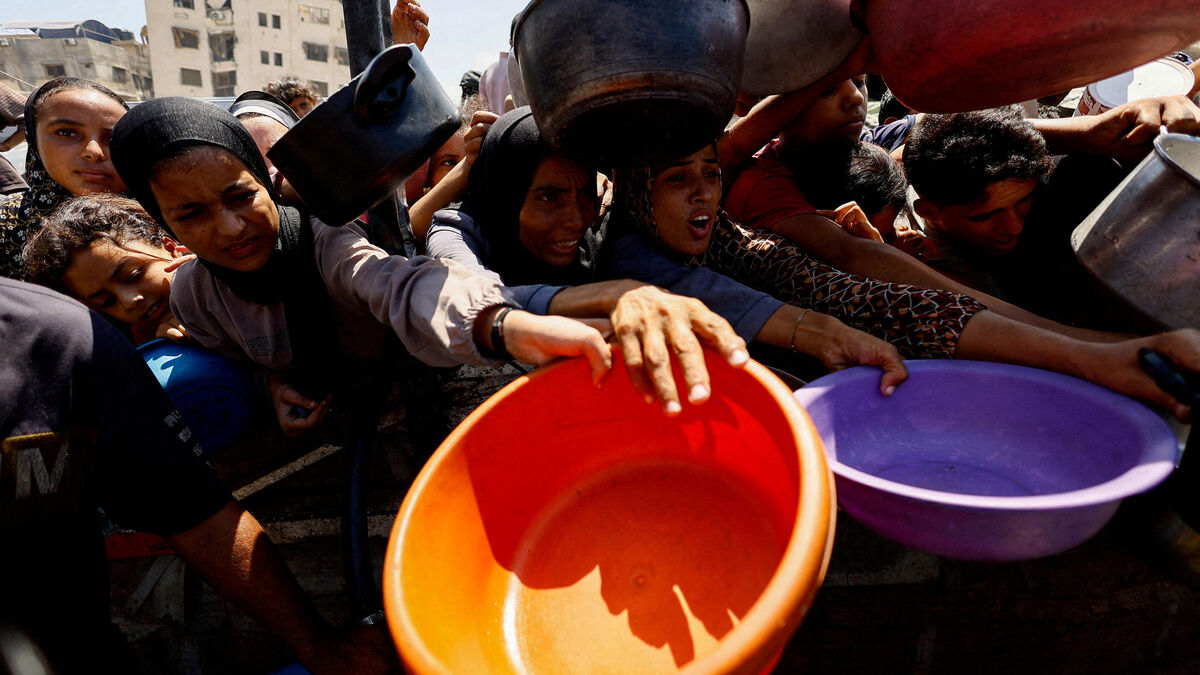
- Palestine, particularly Gaza, where access to basic supplies remains severely restricted
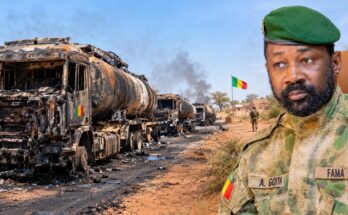
- Mali, struggling under jihadist insurgencies that disrupt agricultural activities
- South Sudan, where prolonged conflict has devastated farming communities
- Sudan, facing one of the world’s worst humanitarian crises
- Yemen, where years of war have left millions dependent on external aid
Regions in severe crisis
Beyond these critical zones, several other areas are battling severe food shortages:
- Afghanistan – economic collapse and Taliban restrictions have worsened hunger
- Democratic Republic of Congo – ongoing conflict and displacement fuel malnutrition
- Myanmar – political turmoil and supply chain breakdowns threaten food security
- Nigeria – insurgencies and climate shocks push rural communities into crisis
- Somalia – drought and conflict have created one of Africa’s worst hunger emergencies
- Syria – a decade of war has left infrastructure in ruins
- Burkina Faso – extremist violence and displacement disrupt food production
- Chad – climate-induced crop failures compound poverty
- Kenya – prolonged droughts have devastated livestock and harvests
- Rohingya refugees in Bangladesh – overcrowded camps face severe aid shortages
Humanitarian funding at critical low
Financial support for food aid has plummeted dangerously. The World Food Programme (WFP) reports a $18.5 billion shortfall in required funding, with only $10.5 billion received. This has forced drastic cuts in food assistance, including:
- Reduced rations for refugees and displaced persons
- Suspension of school feeding programs in several countries
- Delayed emergency responses in high-risk zones
The Food and Agriculture Organization (FAO) warns that without immediate funding, agricultural support programs—such as seed distribution and livestock healthcare—could collapse entirely.
Global leaders urge immediate action
Cindy McCain, WFP Executive Director, stressed the urgency: “We are on the edge of a preventable food catastrophe that could trigger widespread famine. Delaying action will only deepen instability and suffering.”
Qu Dongyu, FAO Director-General, emphasized the broader stakes: “Preventing famine isn’t just a moral obligation—it’s a strategic investment in long-term peace and stability.”
What’s next?
The UN calls for urgent international cooperation to:
- Scale up emergency food aid in crisis zones
- Restore funding for agricultural resilience programs
- Address root causes: conflict, climate change, and economic instability