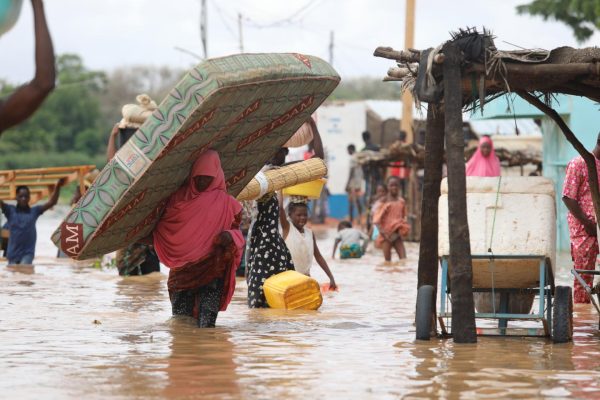
As the rainy season approaches, Nigerien authorities are sounding the alarm. The Operational Centre for Monitoring, Alerting and Crisis Management (COVACC) warns of substantial risks of livestock losses and material damage due to the first storms expected across the country’s agropastoral belt.
The COVACC, under the supervision of the Nigerien Ministry of the Interior, issued a high-alert message on May 11, 2026, urging communities—especially livestock farmers—to remain extremely vigilant. National weather forecasts indicate a normal to above-average rainy season, with potential violent winds that could lead to herd losses and infrastructure destruction.
COVACC raises the alarm ahead of the 2026 harvest season
With the first rains on the horizon, Nigerian officials are already bracing for the impact of a potentially intense rainy season. The COVACC has formally warned rural populations, particularly pastoral communities, about the dangers associated with early-season storms, which typically accompany the onset of the rainy period.
According to the National Meteorological Directorate, the 2026 harvest season is expected to bring “normal to above-average” rainfall across Niger’s agropastoral belt. Precipitation levels may align with or even exceed the averages recorded between 1991 and 2020.
Yet behind these promising agricultural prospects lie serious threats to livestock herders and local infrastructure.
Violent winds pose immediate threats
The COVACC highlights that early rains often bring destructive winds, particularly hazardous for livestock weakened by the lean season. Undernourished animals face heightened risks of injury or mass fatalities when exposed to extreme weather.
These storms also wreak havoc on property. Roofs torn off, mud-brick buildings collapsing, and public facilities damaged are recurring issues during this time of year.
Early storm damage already reported
As of May 11, 2026, the General Directorate of Civil Protection (DGPC) documented multiple incidents across Niger. In the commune of Allakaye, Bouza Department (Tahoua Region), high winds destroyed the roof of a three-classroom block, a mud-brick classroom, and a wall of an integrated health centre (CSI).
In Dosso Region, specifically in the commune of Dankassari, storms caused severe damage: two classrooms collapsed, a storage unit was destroyed, six streetlights and five electrical poles were toppled.
COVACC urges heightened safety measures
To mitigate risks to lives, livestock, and property, authorities are stressing preventive action.
The COVACC advises communities to monitor weather bulletins and alerts from official sources. Livestock owners should secure animals during violent wind events and avoid flood-prone zones.
The centre also warns against herding cattle into koris (dry riverbeds) or seasonal waterways, which can quickly turn into raging torrents. Residents are urged to avoid flooded paths and report incidents to local authorities immediately.
Climate resilience in a pastoral economy
In Niger, where livestock is a cornerstone of the economy and livelihood for millions, each rainy season brings both opportunity and vulnerability.
While pastures flourish, climate hazards intensify risks for rural families already strained by security and economic challenges. Authorities are working to strengthen early warning systems to reduce the impact of natural disasters on these communities.
With the peak of the 2026 rainy season approaching, the COVACC message is clear: prevention remains the best defence against climate uncertainty. For Nigerien herders, this season could either revitalise pastures or jeopardise years of pastoral survival.