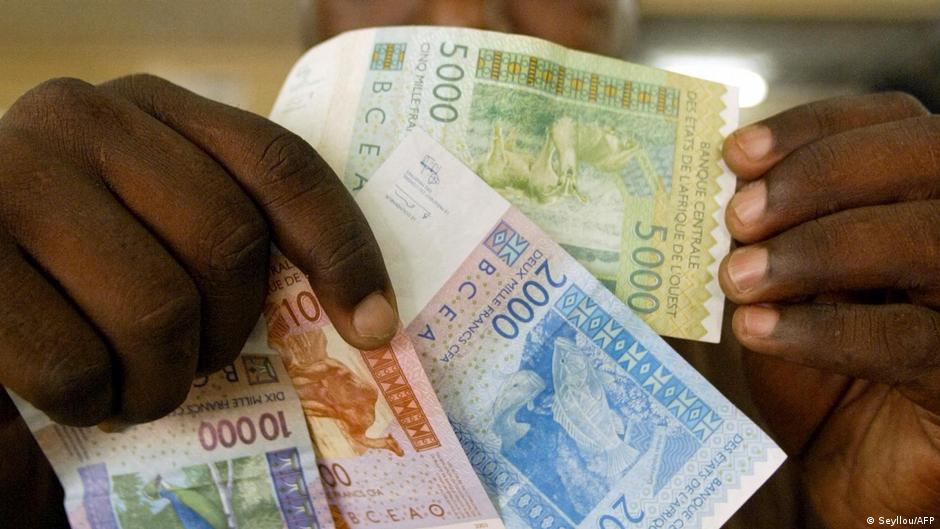
In Dakar, economists and policymakers are engaged in a critical dialogue about Senegal’s escalating debt burden. The two-day International Conference on Debt in Senegal has drawn experts, financial analysts, and former government officials to explore progressive alternatives to the International Monetary Fund’s (IMF) austerity-driven policies.
The event, titled « Debt Crisis in Senegal: Toward Sustainable and Progressive Solutions Beyond IMF Austerity », reflects a growing movement across Africa to challenge traditional debt management frameworks.
Criticism of the IMF’s role in debt traps
Ndongo Samba Sylla, a prominent economist and regional director for the International Development Economics Associates (Ideas), delivered a scathing critique of the IMF’s approach. Speaking to a room of financial experts, he argued:
« The IMF is not the solution to Senegal’s debt crisis—it is part of the problem. The Fund perpetuates external debt traps, reinforcing pro-creditor policies that serve geopolitical interests, particularly those of the United States and France. The most indebted nations are often allies of Western powers, which control global financial systems. For us, the IMF will never be the answer. »
Collective African action as a way forward
While Sylla highlighted the CFA franc as a structural obstacle, Alioune Tine, founder of the Afrikajom Center, emphasized a broader political dimension. He urged African nations to unite against austerity measures that stifle economic growth:
« Debt management cannot succeed in isolation. African countries facing debt crises must collaborate to reject harmful austerity policies. Only through collective resistance can we protect our economies and demand fair financial governance. »
Debt exceeds 130% of GDP amid financial irregularities
In late 2024, Senegal’s Prime Minister Ousmane Sonko exposed hidden debts and budgetary irregularities inherited from the previous administration. The IMF later confirmed the country’s debt had surged to over 130% of GDP.
Sylla advocates for debt cancellation, stating:
« Illegal debt must not be repaid. Even if repayment were necessary, a well-functioning central bank could manage these obligations without crippling state budgets. »
Tine, however, cautioned against emotional responses, stressing the need for pragmatic solutions:
« Sovereignty today means interdependence. We cannot afford to retreat into isolationism. The reality of globalization demands strategic cooperation to shift power dynamics in our favor. »
Government vows to enhance fiscal transparency
The ruling Pastef-Les Patriotes party has pledged reforms to strengthen debt oversight. Ayib Daffé, parliamentary group leader, outlined plans to:
- Reinforce parliamentary control over debt management
- Ensure budget laws adhere to fiscal transparency standards
- Prevent recurrence of financial mismanagement
Meanwhile, President Bassirou Diomaye Faye met with IMF Managing Director Kristalina Georgieva in Nairobi to discuss potential relief measures for Senegal’s prolonged economic crisis.
Comments are closed, but trackbacks and pingbacks are open.