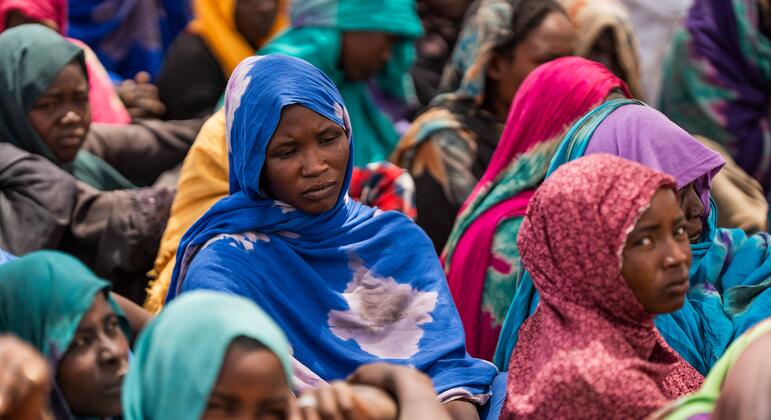
Chad is currently grappling with an overwhelming humanitarian situation as more than 1.3 million displaced persons, including refugees and returnees, seek safety within its borders. The vast majority of these individuals are women and children, entering a nation already burdened by widespread poverty and a healthcare infrastructure that suffers from chronic underfunding.
Following a recent assessment in the eastern part of the country, officials described the environment as a mix of remarkable resilience and profound alarm. During visits to Abéché, Adré in the Ouaddaï province, and the Iridimi refugee camp, the direct consequences of the ongoing conflict in neighboring Sudan on vulnerable women and girls were clearly visible.
The shadow of conflict in Sudan
In Adré, located near the border with Sudan, many women reported that leaving the camps to collect firewood has become a terrifying ordeal. These daily excursions expose them to high risks of harassment, physical assault, and sexual violence. For many, what should be a routine chore has been transformed into a moment of constant fear.
Despite these immense dangers, there are signs of hope. Support centers are helping survivors through psychosocial counseling, vocational training, and programs designed to help them generate their own income, fostering a sense of autonomy amidst the crisis.
In Abéché, the tragic reality of inadequate maternal care was highlighted by the case of a young woman who developed an obstetric fistula after being married at age 15. Following three days of labor without any medical intervention, her child passed away and she was subsequently abandoned by her husband. She endured this debilitating condition for ten years before finally accessing the surgery she needed. Even now, she continues to face social pressure to enter into another marriage.
Struggling with exhausted resources
The Wadi Fira province, home to the Iridimi camp, is struggling to manage the continuous arrival of new residents. Local authorities estimate that over 333,000 refugees are currently living across eight different camps in this region alone.
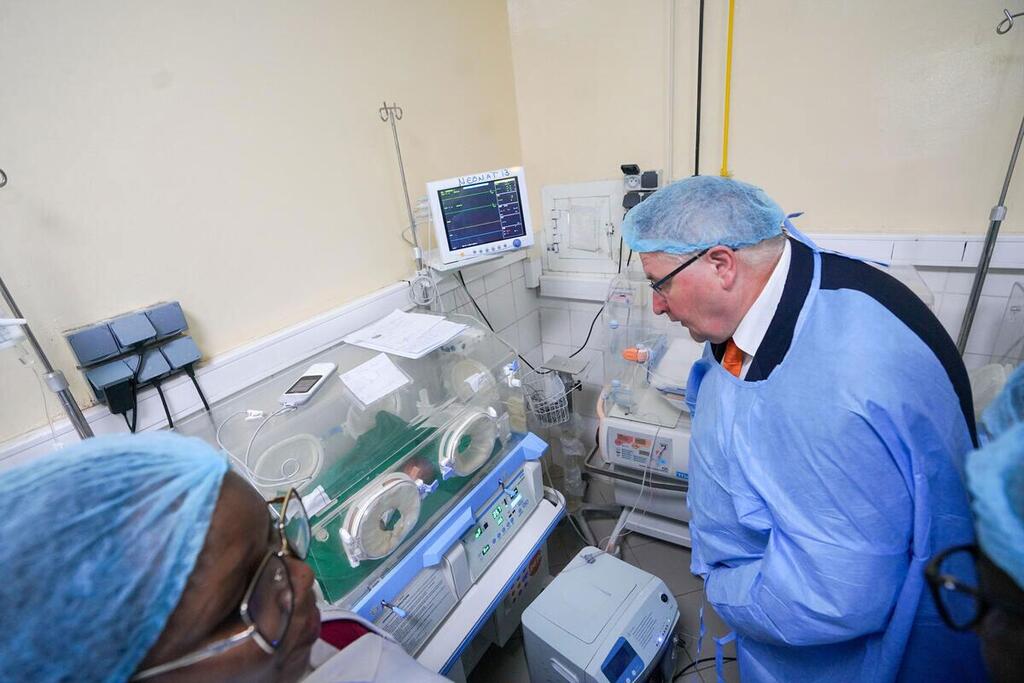
At the Iridimi health center, medical staff are performing up to 300 deliveries every month with extremely limited supplies. Health workers have warned that a lack of anesthetics is making it nearly impossible to perform safe C-sections, a situation that puts lives at risk. Experts emphasize that no woman should have to undergo such an invasive procedure without proper pain management.
The humanitarian response is also being hampered by a severe lack of international funding. Resources for maternal health and protection in Chad have seen a 44% decrease compared to 2025. Of the $18.7 million required to maintain essential services for 2026, only a meager 2.5% has been received to date.
With Chad already recording one of the highest maternal death rates on the planet—approximately 860 deaths for every 100,000 live births—there is an urgent need for the global community to step up. For the thousands of women and girls in the east, this aid represents the difference between a safe birth and a life-threatening ordeal.
Comments are closed, but trackbacks and pingbacks are open.