Niger takes decisive action against foreign media outlets amid rising security tensions
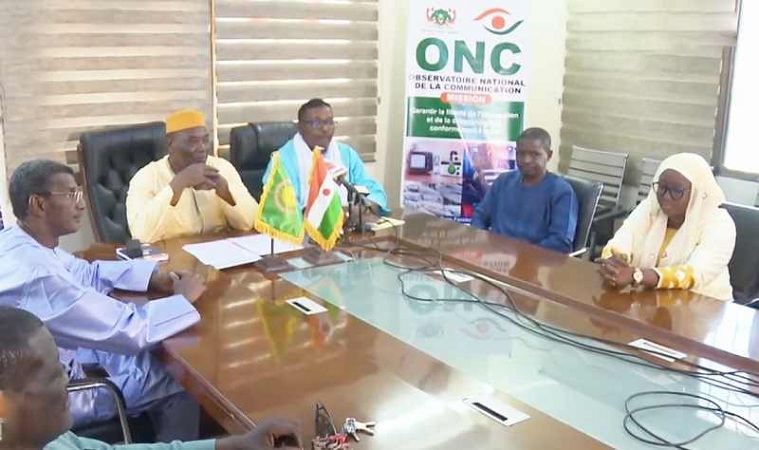
In a bold move to safeguard national stability, Niger’s Observatoire national de la communication (ONC), led by Ibrahim Manzo Diallo, announced the suspension of nine prominent francophone and pan-African media outlets. The decision, disclosed on the public broadcaster Télé Sahel, cited risks to public order and national cohesion as primary concerns.
The affected media organizations include:
- France 24
- Radio France Internationale
- Agence France-Presse
- TV5Monde
- TF1 Info
- Jeune Afrique
- Mediapart
- France Afrique Média
- LSI Africa
The ONC justified the suspension by alleging that certain content disseminated by these outlets posed a serious threat to public order, national unity, and institutional stability in Niger. In response, authorities in Niamey extended the ban to encompass all distribution channels, such as satellites, cable networks, websites, digital platforms, and mobile applications.
The crackdown reflects Niamey’s evolving stance on media sovereignty, treating information dissemination as a critical component of national security—on par with political, diplomatic, and security matters. This shift is particularly evident in the western region of Tillabéri, bordering Mali and Burkina Faso, where armed groups have escalated attacks, including a recent surge attributed to the Islamic State in the Sahel (EIS). Since January 18, 2026, these attacks have resulted in the deaths of 31 civilians, including four children, and five captured fighters.
This regulatory move aligns with Niger’s broader cooperation initiatives within the Alliance of Sahel States (AES), alongside Mali and Burkina Faso. The trio has intensified efforts to harmonize media regulation and control information flows, reinforcing their collective approach to combating destabilizing narratives.