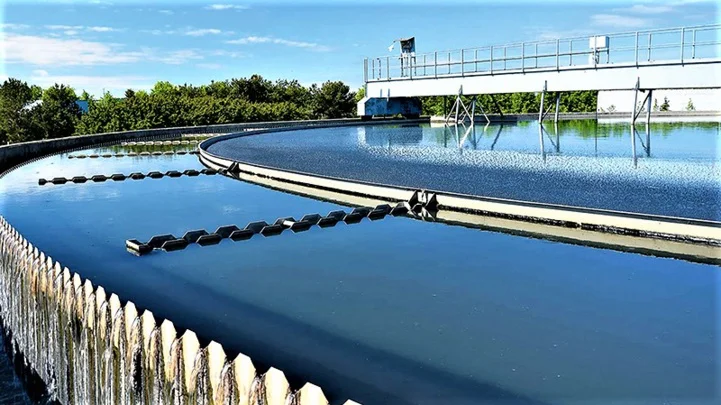
The Moroccan government and Veolia, the French multinational, have reignited discussions on the strategic Rabat desalination plant project, designed to produce 300 million cubic meters of water annually. The initiative, backed by Paris, has regained momentum after months of stalled negotiations, marking a significant shift in bilateral cooperation.
Key details of the Rabat desalination project
The proposed facility will generate 822,000 cubic meters of drinking water daily, relying entirely on renewable energy sources. Central to the current talks is the cost of desalinated water, with both parties aiming for a target price of 4.5 Moroccan dirhams per cubic meter—a figure that underscores the balance between affordability and sustainability.
Discussions, which had slowed due to financial and climate-related challenges, are now progressing steadily. A memorandum of understanding was signed in October 2024 during a high-profile state visit, formalizing the commitment to this public-private partnership.
Project scope and impact
The desalination plant will be constructed on the Atlantic coast near Rabat and operated by Veolia for 35 years, covering design, financing, construction, and maintenance. Once operational, it will supply water to the Rabat-Salé-Kénitra and Fès-Meknès regions, meeting the needs of approximately 9.3 million people.
Broader developments in Morocco’s water sector
Recent talks follow a high-level meeting in Rabat between Moroccan and French officials, reflecting the growing importance of water infrastructure in bilateral relations. Meanwhile, the Moroccan desalination market remains a focal point for international investors, with Spanish firms Acciona and Cox vying for a contract to build the Tanger desalination plant. Scheduled for completion between 2028 and 2029, this facility will add 150 million cubic meters of water annually to the national supply.