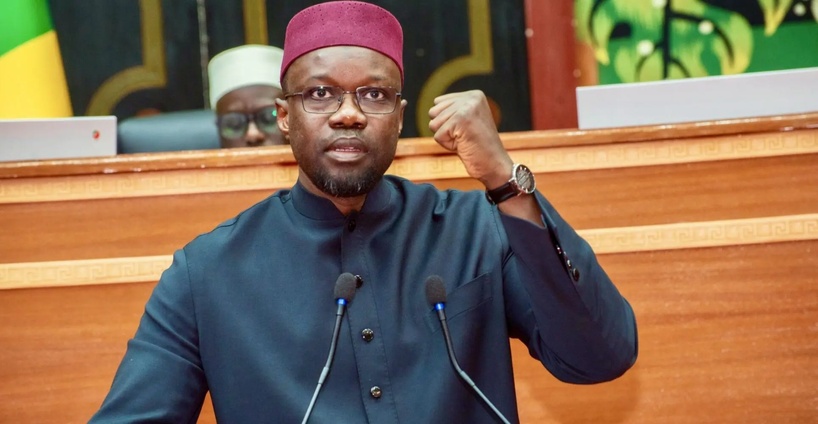
This Friday at 10:00 GMT, Senegalese Prime Minister Ousmane Sonko will take center stage at the National Assembly for the fifth installment of the Questions d’Actualité session—a pivotal moment in parliamentary oversight. The event serves as a direct forum for evaluating government performance, dissecting pressing macroeconomic challenges, and addressing the nation’s current political climate.
The session unfolds amid heightened public scrutiny, particularly surrounding recent amendments to Articles L.29 and L.30 of the Code électoral. These legislative changes, which redefine eligibility criteria and civil rights revisions, have sparked intense debate. Since the law’s adoption and President Diomaye Faye’s endorsement, opposition factions have alleged that the reforms were engineered to secure Sonko’s eligibility for the 2029 elections—despite his insistence that he already meets all constitutional requirements for Senegalese elections.
Beyond electoral controversies, the session will zero in on the everyday struggles of Senegalese citizens. Sonko, joined by his entire cabinet, is expected to field questions on pressing economic concerns, including measures to curb the rising cost of essential goods and energy prices. Economic resilience will also be a focal point, with discussions likely covering ongoing negotiations with the International Monetary Fund (IMF), progress on the economic recovery plan, and preparations for the upcoming national budget.
Key sectors will also come under the microscope, including family security programs, the status of the agricultural campaign, and state-backed preparations for Tabaski. Another critical topic on the agenda is the dynamic between Sonko and President Faye, which the Prime Minister has described as a “cohabitation douce”—a harmonious yet complex power-sharing arrangement.