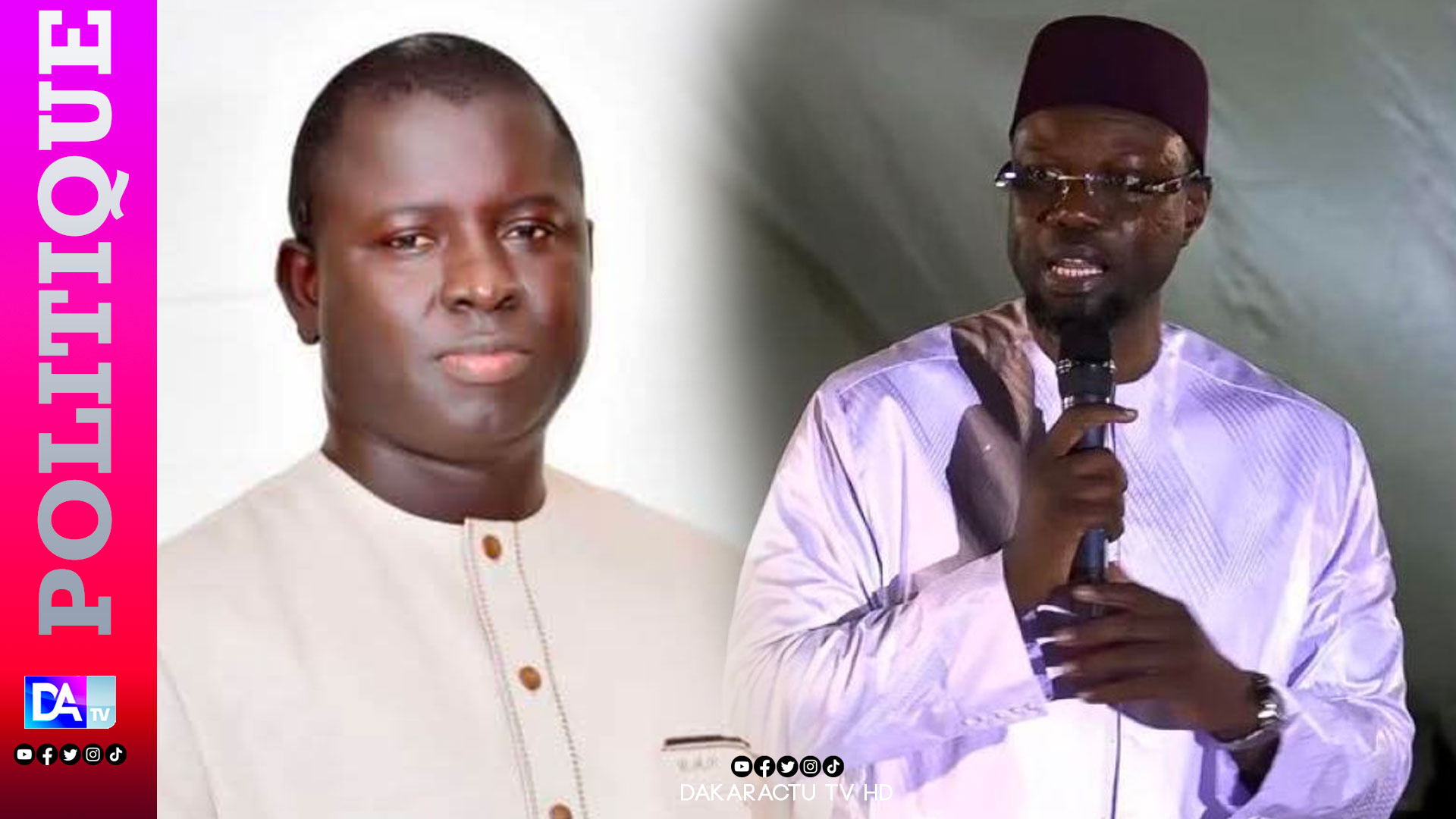
The Senegalese political landscape appears to be undergoing a profound transformation, one where the logic of perpetual confrontation overshadows the foundational principles of the Republic. Once a vocal opposition figure briefly holding power, the leader of the Pastef party now embodies a radical shift from popular resistance to an unprecedented strategy of institutional obstruction.
How far is Ousmane Sonko prepared to go? This question now dominates discussions among political observers and analysts. The phrase « Gatsa-Gatsa » (« short tail pays for short tail ») was originally a rallying cry for direct retaliation against the previous regime, a slogan that crystallized the spirit of unyielding defiance. However, what began as a method of resistance has evolved into a tool of systemic manipulation, eroding the very fabric of national cohesion.
The political journey of the Pastef leader took a decisive turn when he secured the presidency of the National Assembly. His ambition to reshape Senegal’s constitutional framework was swiftly met with legal resistance. The Constitutional Council struck down his proposed reforms, a decisive setback that exposed the fragility of his institutional strategy. Far from prompting a reconsideration of tactics, this judicial rejection appears to have intensified the drive toward radicalization.
This brings us to the emergence of the « Maa tay » (« I don’t care ») institutional posture. Characterized by a deliberate refusal to engage with governance, an outright dismissal of judicial decisions, and a blatant disregard for republican norms, this approach signals more than mere political opposition. It represents an assault on the core pillars of the State itself:
- Obstruction as a default stance: Prioritizing paralysis over progress, even at the expense of national stability.
- Judicial defiance: Treating constitutional rulings as optional, contingent on political convenience.
- Institutional hostage-taking: Leveraging frustration over blocked ambitions to justify systemic breakdowns.
Where does this trajectory end? Senegal’s democratic tradition has long thrived on the resilience of its institutions amid adversity. Yet replacing dialogue with defiance, and procedure with protest, sets a perilous precedent. Institutions endure; individuals and their ambitions do not. To weaken the State’s foundations in pursuit of personal or hidden agendas is to undermine Senegal itself. While opposition and checks on power are constitutional rights, systematic obstruction under the guise of republican defiance is a dead end for the nation.
Cheikh Issa SALL, President of the UNITE Party
Comments are closed, but trackbacks and pingbacks are open.