RDC political tensions rise as opposition vows protests after constitutional ruling
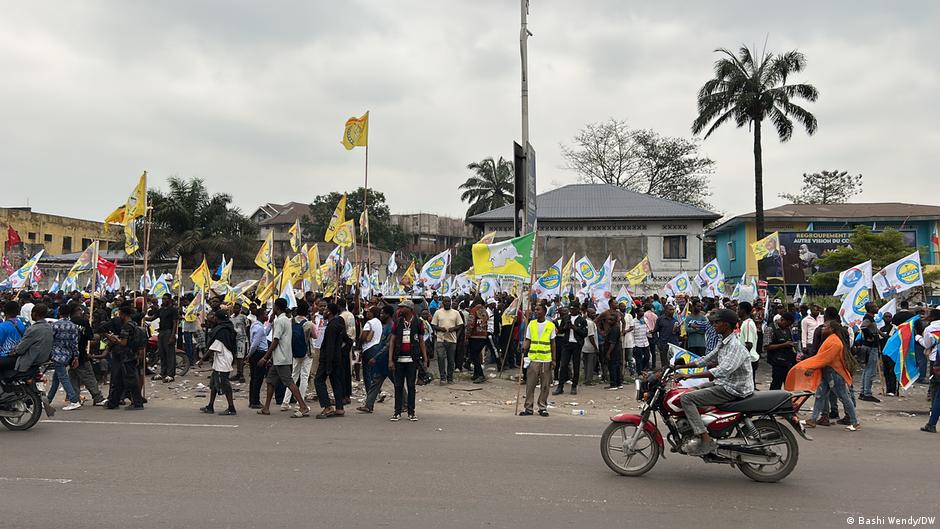
The Constitutional Court’s endorsement of the referendum organization law has reignited heated debates over potential constitutional changes in the Democratic Republic of the Congo. While authorities view this as a legal milestone, opposition factions perceive it as a dangerous overreach and are gearing up for renewed mobilization.
The Article 64 coalition has forcefully rejected the court’s decision, warning that it paves the way for constitutional amendments—a move they vehemently oppose. Speaking to the public, coalition spokesperson Prince Epenge delivered a resolute message: “We will not back down. We are pooling our strength and energy to ensure this law never takes effect in our country.”
Epenge added, “The people are furious. They must remain steadfast, united, and determined to reject a third term and the country’s fragmentation.”
Kinshasa residents voice growing concerns
As coalition leaders convened in Kinshasa to strategize their next moves, residents expressed deep unease about the escalating political tensions. Many fear that upcoming protests could disrupt daily life and spiral into violence.
“Will their demands be pursued peacefully?” questioned one resident, emphasizing the need to “avoid any loss of life.”
Another resident echoed these concerns, stating fears that “the political climate in the DRC could deteriorate further following this ruling.”
One individual went further, asserting that “the real troublemaker is the sitting government, which routinely deploys forces to disrupt opposition marches.”
A third resident highlighted the vulnerability of ordinary citizens, saying, “It’s the people who will suffer when protests erupt.”
Dialogue at risk amid hardening stances
Timo Roujean, an analyst with the Konrad Adenauer Foundation, warned that swift enactment of the law by President Félix Tshisekedi could severely undermine ongoing dialogue efforts. He cautioned that if the president signs the bill before August 15, negotiations might collapse entirely.
“In an already tense environment where talk of a constitutional coup is growing, this court decision risks emboldening those who believe armed resistance is the only way to challenge the government,” Roujean explained.
The Constitutional Court’s decision has only deepened the divide between the presidential camp, now equipped with a legal framework, and an opposition determined to block any constitutional reforms. The coming weeks will be critical in shaping the trajectory of the DRC’s political crisis.