Political tensions escalate in Democratic Republic of Congo after constitutional court ruling
The Democratic Republic of Congo stands at a crossroads as the Constitutional Court’s endorsement of the referendum framework reignites fierce debate over potential constitutional amendments. While the government views this as a procedural milestone, opposition leaders warn of an alarming drift toward authoritarianism and vow to escalate their mobilization.
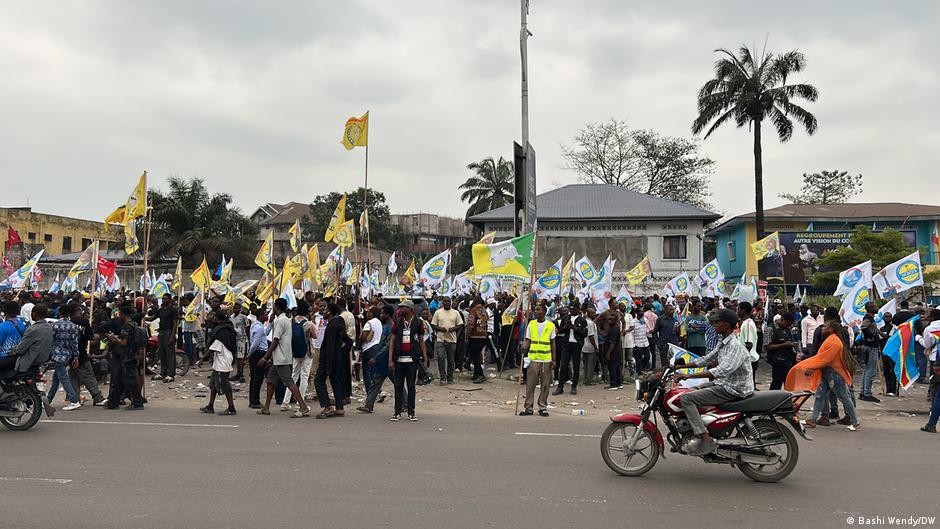
Prince Epenge, spokesperson for the opposition coalition Article 64, has issued a resolute call to action: “We will not yield. We will channel all our strength and energy to ensure this law cannot take effect in our nation.” His words reflect the growing frustration among opposition ranks, who see the court’s decision as a direct threat to democratic norms.
Epenge emphasized the public’s anger, urging citizens to “stand firm, remain mobilized, and firmly reject the third term and any attempts at balkanization.”
Kinshasa residents voice concerns over escalating unrest
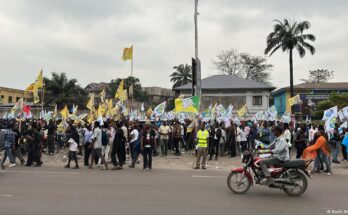
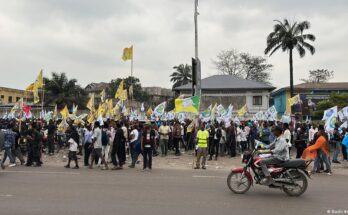
As coalition leaders convened in Kinshasa to strategize their next moves, residents expressed deep unease about the potential for renewed political violence. Many fear that protests could spiral into chaos, disrupting daily life and endangering lives.
“Will their protest methods remain peaceful?” questioned one resident, emphasizing the urgent need to “avoid any loss of life.”
Another resident voiced apprehension over the “political climate here in DRC, which could deteriorate following this decision.”
A third interviewee went further, accusing the ruling establishment of “sowing discord by deploying forces to disrupt opposition marches.”
The final resident warned that “the real victims will be the people when protests erupt.”
Legal approval sparks fears of political dialogue collapse
Timo Roujean, an analyst with the Konrad Adenauer Foundation, cautioned that swift presidential approval of the law could derail ongoing efforts to foster political dialogue. He stressed that if President Félix Tshisekedi signs the legislation before mid-August, it could nullify diplomatic efforts and embolden factions advocating violent confrontation.
“If the law is enacted before August 15th, the dialogue initiative will likely collapse,” Roujean stated, adding that in an already tense environment—where talk of a constitutional coup circulates—the court’s decision could fuel extremist narratives that justify armed resistance as the only viable opposition.
The Constitutional Court’s ruling marks not the end, but the beginning of a volatile chapter in the DRC’s political saga. With the presidential camp now armed with a legal framework and an opposition determined to block constitutional reform, the coming weeks will be pivotal in shaping the nation’s future.