Tillabéri’s ongoing nightmare: terror strikes while authorities focus on image-building
In the western reaches of Niger, the specter of terrorism refuses to fade. Despite the central government’s concerted efforts to rally citizens behind General Abdourahamane Tiani, fresh attacks in the Tillabéri region have exposed the stubborn resilience of armed groups. The latest assaults serve as a grim reminder that the security threat remains very much alive.
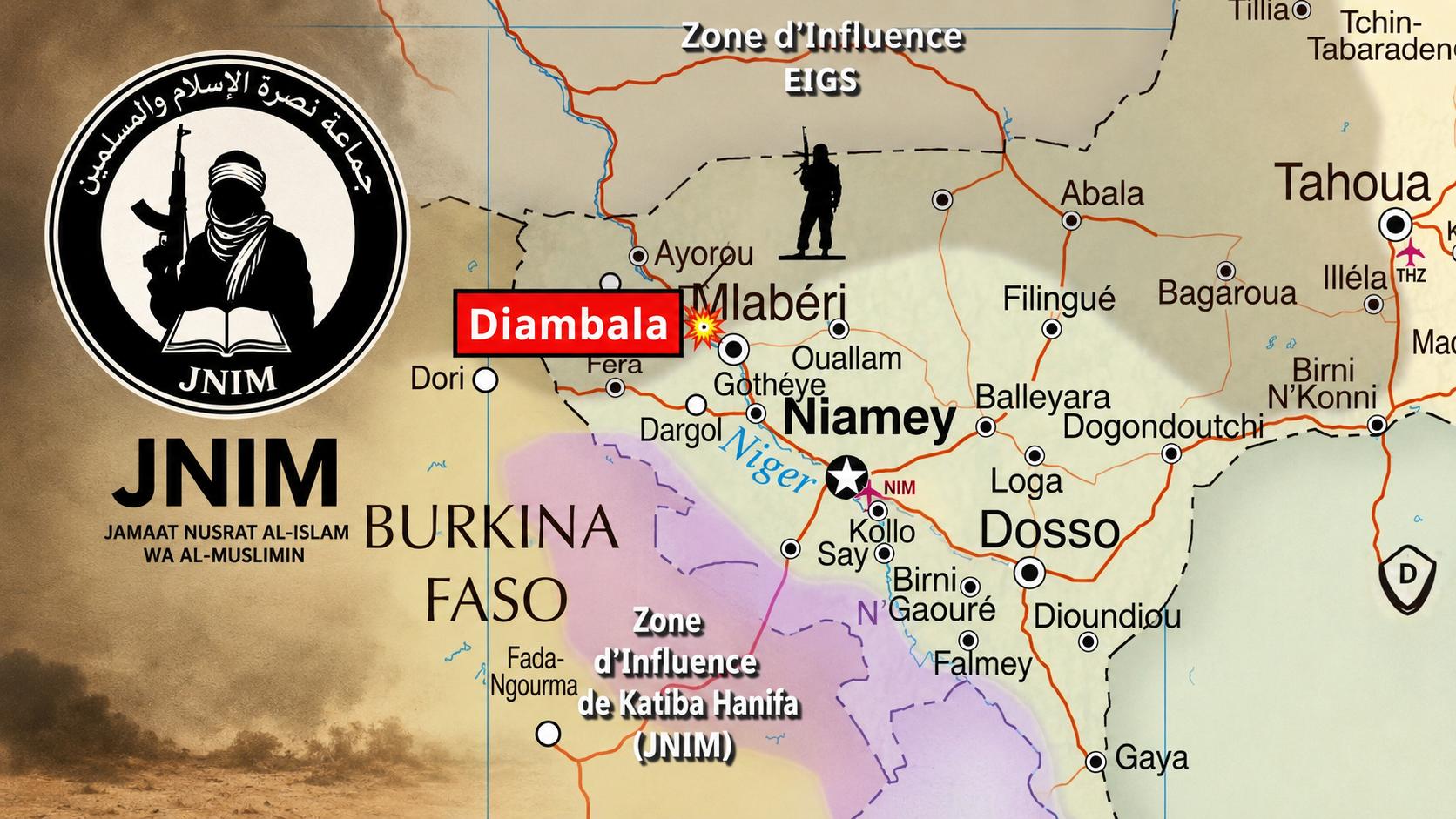
On September 2, 2026, three villages in the Tillabéri department came under siege. Darbani, Diamballa, and Namarigoungou bore the brunt of the violence, with local sources confirming the devastating impact on residents. In Diamballa, two young girls lost their lives in a tragic accident while fleeing the attackers, and a man was shot in the crossfire. The village of Namarigoungou mourned another fatality. The assailants made off with livestock from all three communities.
The violence escalated the following day. On September 3, 2026, gunmen launched an attack in Zibane, a rural commune within the Anzourou area of Tillabéri. Local militias responded, and preliminary reports indicate one militant was killed in the confrontation.
Tillabéri: a hotspot of instability in the heart of the Sahel
The persistent attacks underscore the fragile security landscape in a region that straddles the borders of Niger, Mali, and Burkina Faso. Known as the ‘three-frontiers zone,’ Tillabéri remains one of the most volatile areas in the country. For rural communities, these incursions are more than a threat to life—they disrupt livelihoods, displace families, and deepen economic hardship.
Public relations vs. ground realities
Amid the violence, the military regime has redoubled its efforts to cultivate public approval. A flurry of initiatives, from grassroots mobilizations to high-profile endorsements, aims to bolster support for General Tiani. The strategy seeks to project unity and reinforce his political legitimacy, particularly in the wake of a thwarted coup attempt.
Yet the stark contrast between these image-building campaigns and the daily struggles of Tillabéri’s residents is impossible to ignore. While officials tout national solidarity, families in affected villages live in fear of the next attack. The question lingers: can rhetoric alone restore security, or will concrete action be required to address the root causes of this crisis?
What’s next for Tillabéri?
For the people of Tillabéri, the immediate priority is clear: safety. They want to till their fields, tend to their herds, and move freely without fear. The recent violence serves as a stark reminder that the battle for security is far from over. As the regime navigates its political challenges, one truth remains undeniable—the people of Tillabéri need more than words. They need lasting solutions.
Comments are closed, but trackbacks and pingbacks are open.