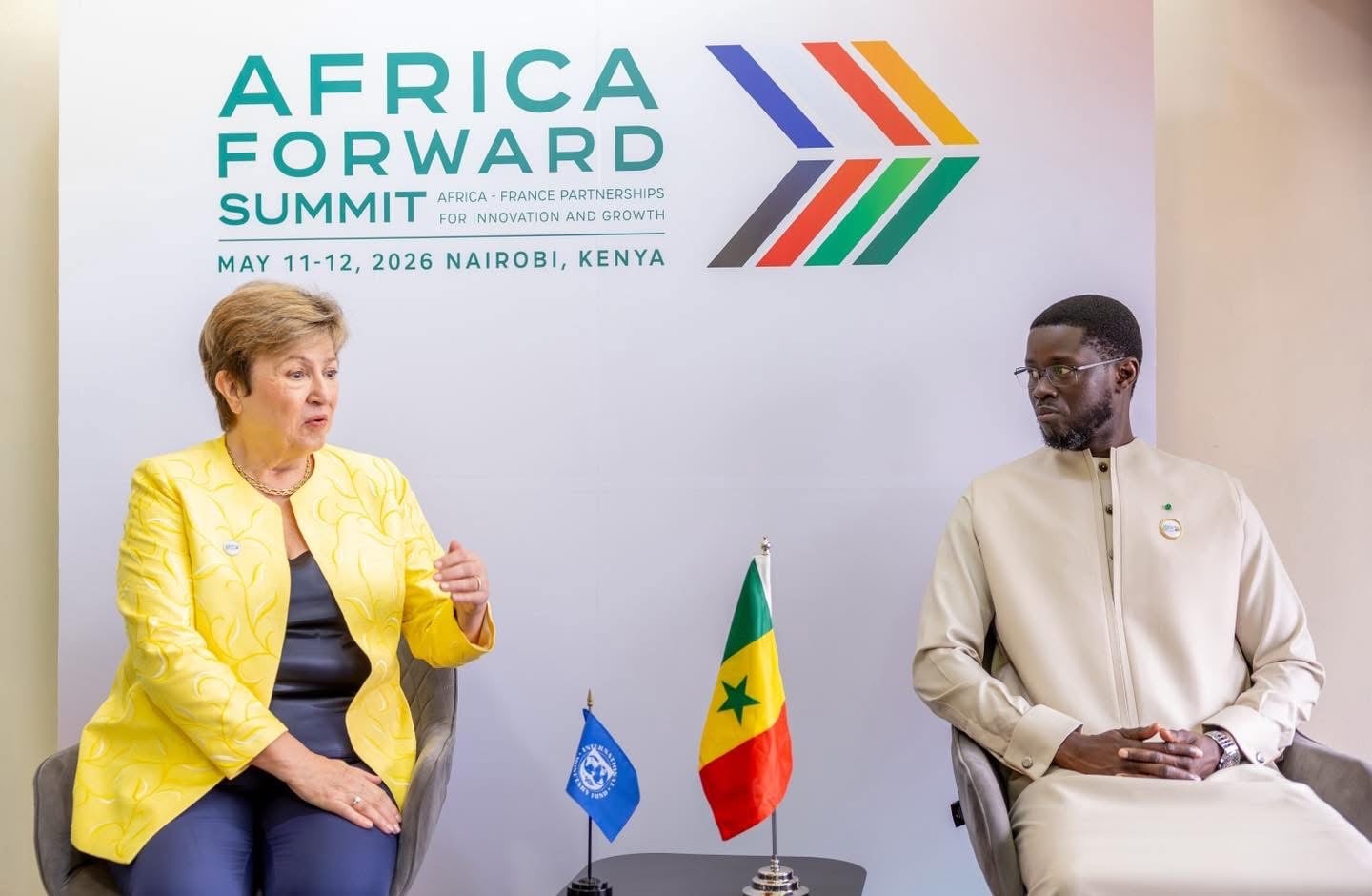
The Managing Director of the International Monetary Fund (IMF), Kristalina Georgieva, held a significant meeting with Senegalese President Bassirou Diomaye Faye to address critical economic challenges. The discussion focused on debt sustainability and the implementation of structural reforms essential for the country’s long-term stability. While the exchange underscored mutual commitment, tangible progress on Senegal’s financial program remains pending amid a volatile global economic landscape.
Key takeaways from the IMF-Sénégal dialogue
During the conversation, Kristalina Georgieva highlighted the importance of debt management and transparency in Senegal’s economic strategy. She emphasized that reforms must align with the country’s fiscal capacity to ensure sustainable growth without imposing excessive burdens on citizens. The IMF’s stance reflects a cautious yet supportive approach, prioritizing long-term viability over rushed decisions.
Challenges in finalizing Senegal’s financial program
Despite the constructive dialogue, no concrete timeline was established for Senegal’s new financial program, which Dakar has been pursuing for nearly two years. Earlier statements from IMF officials, including Abebe Aemro Selassie, Director of the African Department, cited market volatility and debt sustainability concerns as key factors delaying negotiations. He stressed that a credible and feasible economic roadmap is essential before committing to irreversible measures.
The IMF has urged the Senegalese government to refine its strategy, ensuring it balances fiscal responsibility with social equity. This approach aims to avoid austerity measures that could disproportionately impact vulnerable populations while fostering investor confidence.
Why debt sustainability matters for Sénégal
Senegal’s current debt levels, inherited from previous administrations, pose a significant challenge. The IMF’s emphasis on transparency and strategic planning underscores the need for a well-defined path forward. Officials have acknowledged that while the government has made progress, further deliberation is required to align policies with economic realities.
As global financial conditions remain unpredictable, the IMF’s role is to guide Senegal toward a stable and resilient economic framework. The outcome of these discussions could shape the country’s financial trajectory for years to come.
Comments are closed, but trackbacks and pingbacks are open.