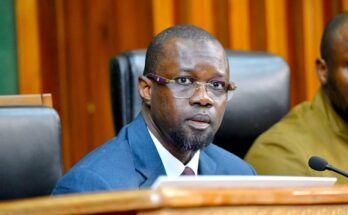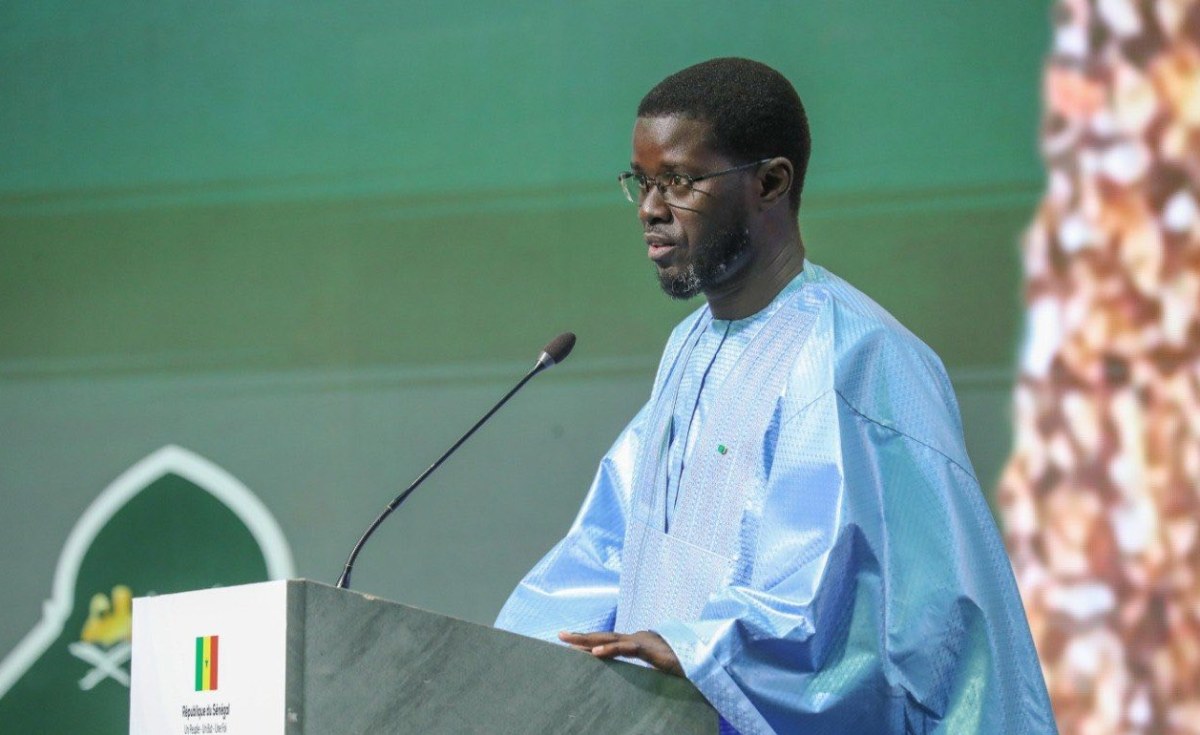
The rift between Senegalese President Diomaye Faye and his former Prime Minister Ousmane Sonko has reached a point of no return. The announcement of Faye’s upcoming political party signals the definitive split between the two leaders, with little hope of reconciliation within the Patriotic Africans of Senegal for Work, Ethics, and Fraternity (PASTEF).
But will Faye’s political ambitions succeed? The odds remain uncertain. The president’s move comes at a time when Senegalese priorities risk being indefinitely sidelined, overshadowed by the escalating power struggle.
Political leverage and strategic missteps
Faye’s coalition boasts over 300 mayors out of the country’s nearly 600, providing a strong foundation for his future party. Additionally, the state apparatus offers further tools to sway support. Yet, can these advantages guarantee stability? The recent government reshuffle revealed Faye’s limited influence within PASTEF, raising doubts about his ability to consolidate power.
The announcement of his new party appears to be a calculated response to this reality. In Senegal’s political landscape, ruling elites typically dominate the parties that propel them to power. However, in this case, it is Sonko—President of the National Assembly—who holds sway over PASTEF. Recent legislative reforms have further constrained Faye’s options, including the ban on party leadership for sitting presidents.
A fractured movement and mounting risks
This political maneuvering, while not unexpected, risks deepening divisions within PASTEF. Beyond personal animosity, the party’s militants now face an uncertain future, with the potential for further fragmentation. The PASTEF may well be shooting itself in the foot, as the infighting weakens its cohesion and appeal.
The fallout extends beyond the party’s internal dynamics. The opposition stands to benefit most from this discord. If Faye and Sonko fail to mend their differences, a third contender could emerge to capitalize on the growing disillusionment among Senegalese voters. Such a scenario could reshape the political landscape before the next presidential election.
The cost of instability
The political crisis could force the dissolution of the National Assembly, paving the way for snap elections. Given Senegal’s economic challenges, the financial burden of such an endeavor could plunge the country into deeper economic, social, and political turmoil. Rather than addressing the needs of the Senegalese people who entrusted them with power, Faye and Sonko have chosen to prioritize their rivalry.
Their inability to resolve internal conflicts has already cast a shadow over Senegal’s democratic reputation. Once hailed as a model of stability on the continent, the country now faces the specter of instability, with a de facto cohabitation between the two leaders. For Faye and Sonko, clinging to power without addressing the crisis risks tarnishing their legacies irreparably.