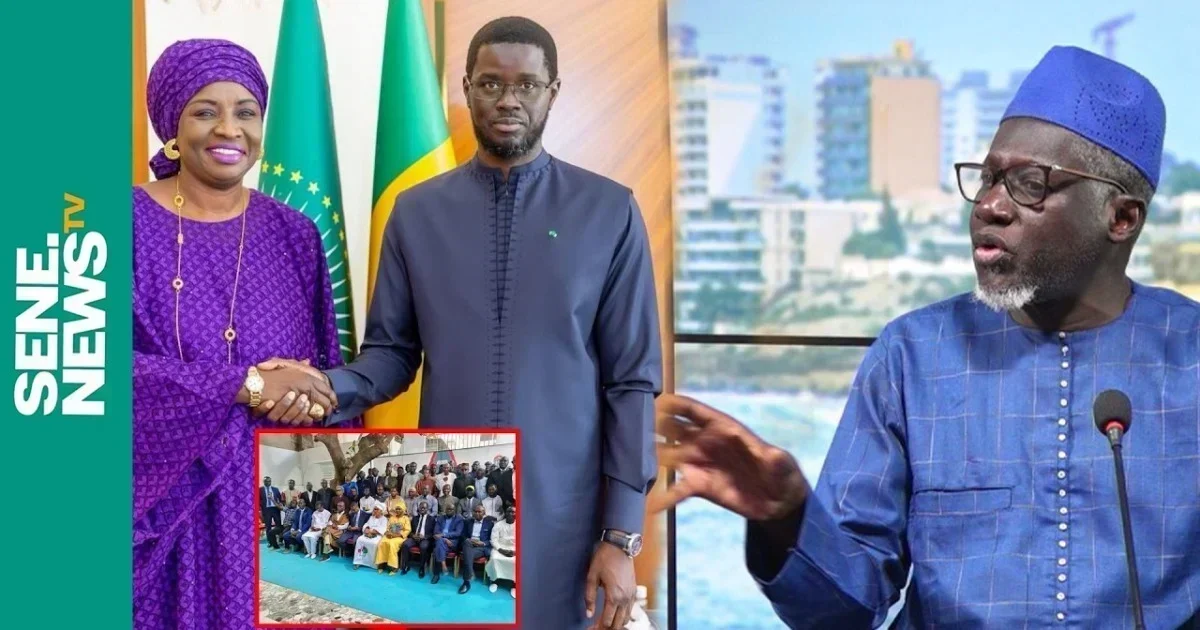
The political landscape in Sénégal is undergoing a significant transformation following the announcement by Imam Kanté of a newly formed party aimed at supporting Bassirou Diomaye Faye’s ambitions. This strategic move has sent ripples through the opposition ranks, particularly raising questions about its implications for Ousmane Sonko’s trajectory and the broader political dynamics ahead of the 2026 elections.
The emergence of this party underscores a critical juncture in Sénégal’s political evolution, as it introduces fresh alliances and redefines the power balance within the opposition bloc. Imam Kanté, a prominent religious figure with substantial influence, has positioned this initiative as a unifying force for those seeking progressive change. However, the move has also sparked debate about its potential to either strengthen or fragment the opposition’s efforts.
Why this new party could reshape opposition strategies
The creation of the party is not merely a symbolic gesture but a calculated step to consolidate support for Diomaye’s vision. By leveraging Imam Kanté’s moral authority, the initiative aims to bridge gaps between religious communities and political aspirations, potentially broadening its appeal beyond traditional voter bases. This could prove decisive in a political climate where youth engagement and grassroots mobilization are increasingly pivotal.
The announcement has naturally drawn attention to Ousmane Sonko’s role, whose own political future may be influenced by this development. While Sonko remains a central figure in the opposition, the new party introduces an alternative pathway for voters disillusioned with the status quo but hesitant to fully align with existing factions. The interplay between these forces will likely shape the campaign narrative in the coming months.
Key questions about the party’s impact
- Will it unite or divide the opposition? The success of the new party hinges on its ability to harmonize diverse interests, including those of Sonko’s supporters and other opposition factions. Internal cohesion will be tested as competing agendas emerge.
- How will voters respond? With elections on the horizon, the party’s agenda and Imam Kanté’s role as its figurehead could sway undecided voters, particularly those prioritizing ethical governance and economic reform.
- What does this mean for Diomaye’s ambitions? The party’s formation signals a strategic endorsement of Diomaye’s leadership, but its long-term viability depends on translating grassroots enthusiasm into tangible political outcomes.
Sénégal’s 2026 elections: A turning point?
The timing of this announcement is no coincidence, arriving as the nation prepares for a pivotal electoral cycle. The new party could serve as a catalyst for redefining the opposition’s narrative, offering a fresh alternative to the ruling establishment. As political alliances shift, the electorate faces a critical choice between continuity and transformative change.
The coming months will reveal whether this initiative energizes the opposition or introduces new complexities. One thing is certain: Sénégal’s political arena is in flux, and the stakes have never been higher.