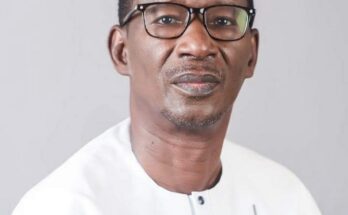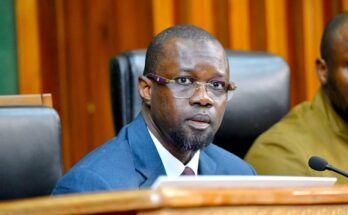
The recent signing into law of amendments to the electoral code in Senegal has reignited a fierce political debate. On Tuesday, independent lawmaker Tafsir Thioye, a prominent and outspoken critic of the government, held a press conference to dissect the newly enforced legislation. His remarks come at a critical juncture as Senegal’s political class scrutinizes the country’s institutional balance ahead of potential local and legislative elections in the coming months.
Electoral reforms spark opposition backlash
The parliamentary majority’s adoption of the revised electoral code touches on several sensitive aspects of Senegal’s democratic framework. Critics, including Tafsir Thioye, argue that the changes reshape electoral disputes and eligibility requirements in ways that disproportionately benefit the ruling coalition. The signing of the bill into law has been interpreted by a segment of the opposition as a deliberate political signal—one that may signal a departure from Dakar’s long-standing traditions of consensus-building.
Thioye, who operates outside the two dominant parliamentary blocs, occupies a unique position. Neither fully aligned with traditional opposition factions nor openly supportive of the presidential majority, he champions an independent stance. His press briefing was strategically designed to leverage this independence, offering both technical and political critiques of the newly enacted law.
Thioye’s dissenting voice gains momentum
Tafsir Thioye’s role in Senegal’s fourteenth legislature highlights a subtle yet meaningful shift in the parliamentary landscape. Independent lawmakers, often marginalized within the larger coalitions, serve as a catalyst in high-stakes debates. On electoral matters, their influence is particularly pronounced, as even a single vote can shape the rules governing elections and the integrity of the democratic process.
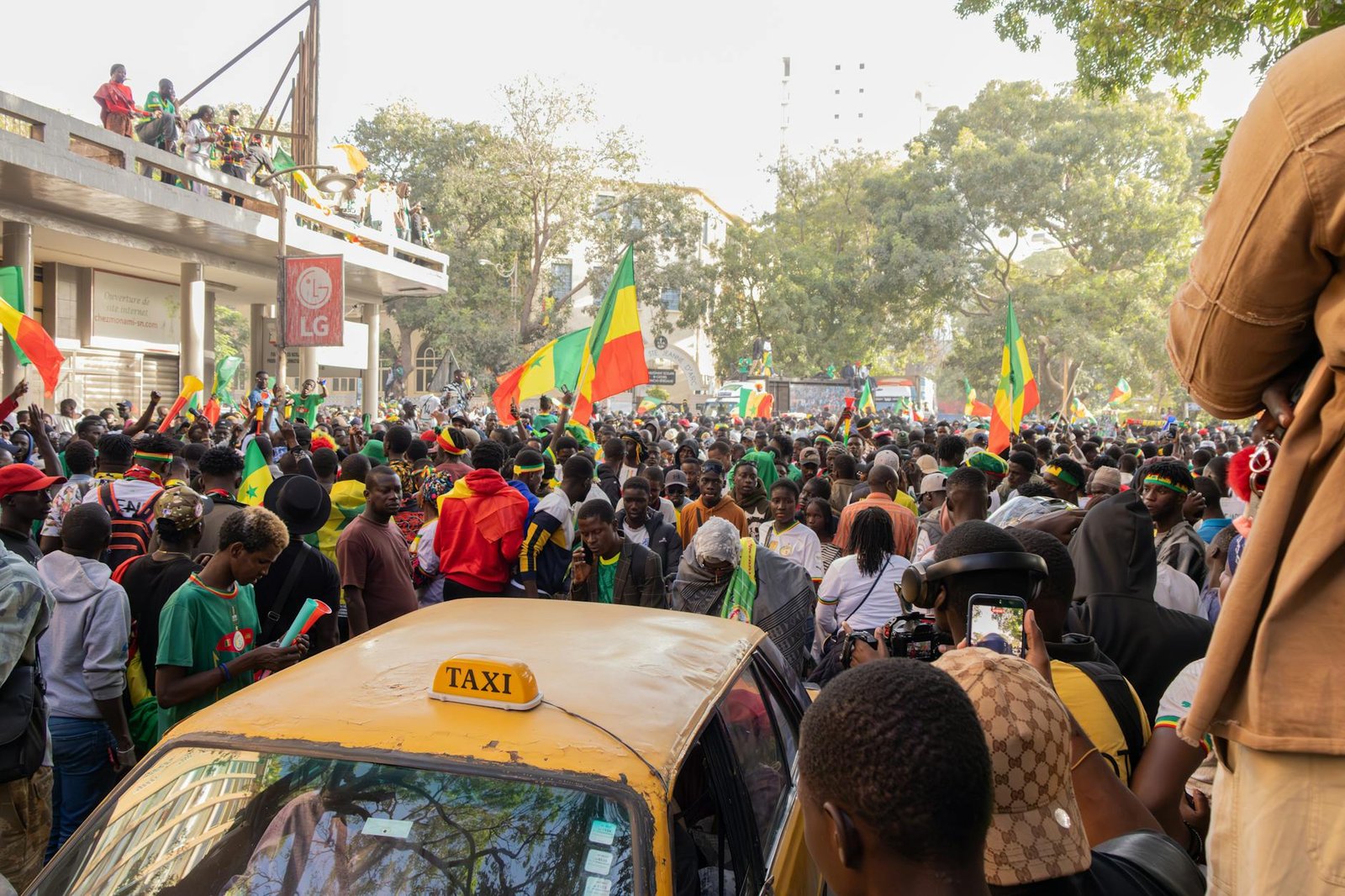
By addressing the press, Thioye aims to amplify his concerns beyond the confines of the National Assembly. This tactic is familiar in Senegal, where print media, private radio stations, and digital platforms play a pivotal role in shaping public opinion and influencing political agendas. The question remains whether his intervention will galvanize broader legislative support or prompt legal challenges before the Constitutional Council.
Institutional sovereignty at stake in Dakar
Beyond Thioye’s individual stance, the contested electoral reforms raise broader questions about Senegal’s electoral framework. Long regarded as a democratic model in West Africa, the country now faces a period where legislative decisions are closely examined in light of upcoming electoral events. The ability of institutions to address dissent without fracturing will be crucial in preserving Senegal’s credibility on the regional and international stage, particularly within the Economic Community of West African States (ECOWAS) and among multilateral partners.
Diplomatic and economic circles are closely monitoring these developments. Prolonged uncertainty over the country’s institutional trajectory could impact perceptions of investment risk, especially as Dakar seeks to solidify its position as a regional hub and attract funding in sectors such as hydrocarbons, telecommunications, and infrastructure. The controversy surrounding the electoral reforms is thus part of a larger equation where political and economic considerations intersect.
The timing of the independent lawmaker’s public address could either spark a more organized resistance against the reforms or fade into obscurity without sufficient traction. The coming weeks will reveal whether parliamentary opposition translates into street protests, judicial challenges, or electoral outcomes.