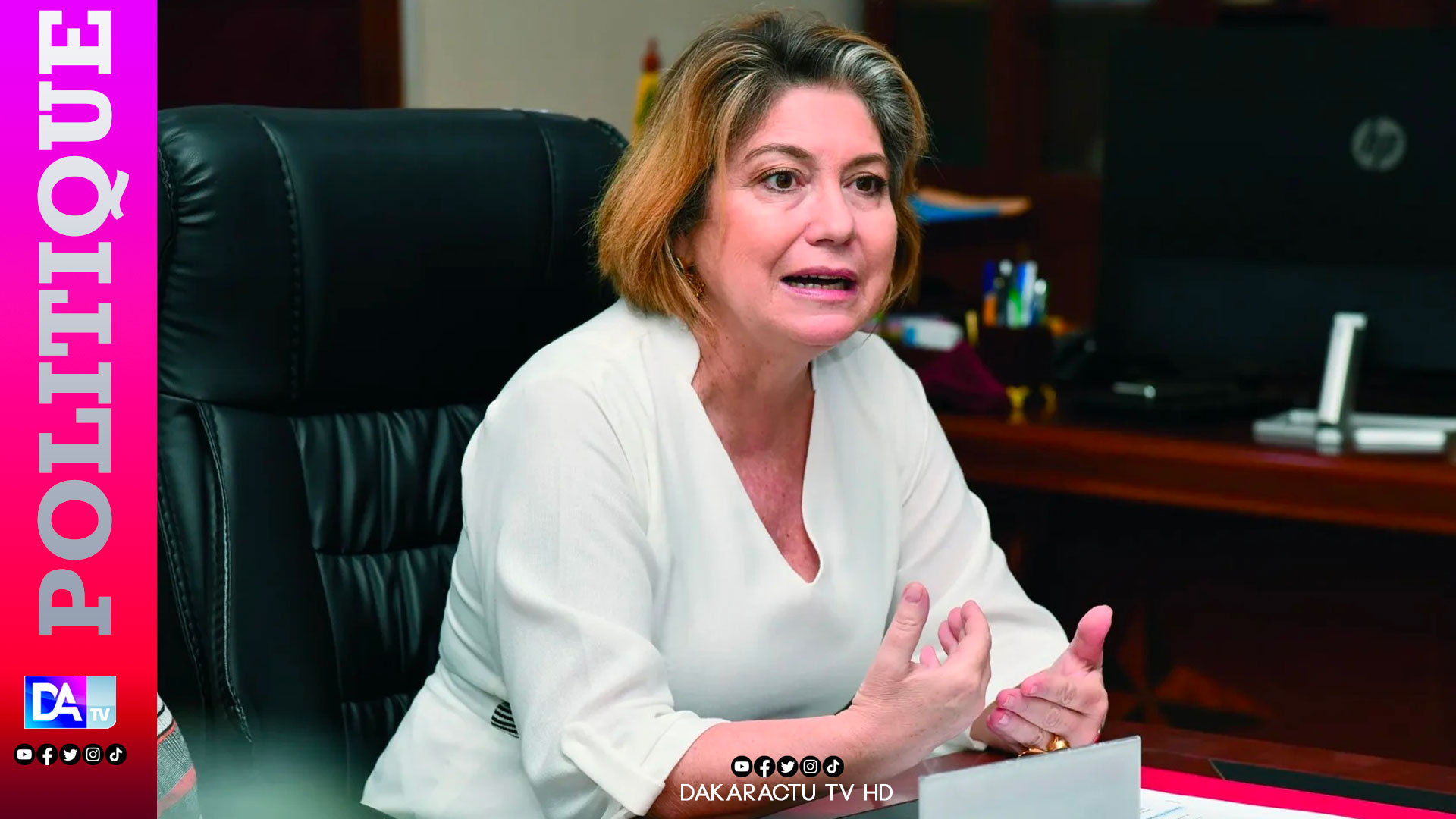
« The stronger Senegal’s sovereignty, the stronger the partnership », declared Christine Fages, France’s Ambassador to Senegal, in a candid discussion about the future of bilateral relations between the two nations. During an exclusive interview, she outlined a vision of cooperation built on mutual respect and shared strategic interests, emphasizing that sovereignty is not an impediment but a catalyst for deeper collaboration.
Fages addressed the evolution of Senegal-France relations amid recent political shifts in Dakar, noting that institutional mechanisms have successfully navigated sensitive issues while preserving open dialogue. « A nation that clearly defines its strategic interests engages more confidently with its partners, even when disagreements arise », she observed. Her remarks underscored the belief that mutual understanding and respect for sovereignty are the bedrock of a resilient bilateral relationship.
Visa processes: combating fraud and misinformation
The Ambassador also highlighted challenges in visa procedures, particularly the externalization of certain steps and delays in appointment scheduling. With approximately 53,000 visa applications processed annually in Senegal—nearly half of all EU visa requests in the country—she stressed the importance of transparency. « If someone demands payment for a visa appointment, that’s a red flag », she warned, urging applicants to avoid fraudulent intermediaries and beware of fake documents or inflated fees.
Thiarioye 44: France acknowledges past responsibility
Turning to historical reconciliation, Fages confirmed that France recognizes its role in the Thiarioye 44 events and has provided documents to Senegalese authorities to aid in historical research. She emphasized ongoing efforts to deepen understanding of these events, with Paris committed to supporting scientific work to uncover further truths. « Memory and justice are essential to our shared future », she stated.
Restitution of cultural heritage: a phased approach
The discussion also covered the return of Senegalese cultural artifacts held in France. Fages noted that the sabre of El Hadj Oumar Foutiyou Tall, already returned in 2021, serves as a model for future restitutions. She explained that the process involves meticulous identification, documentation, and provenance verification, with thousands of Senegalese objects under review to determine eligibility for return.
Support for Senegal’s economic resilience
On economic cooperation, the Ambassador reaffirmed France’s backing for Senegal’s engagements with the International Monetary Fund, stressing that both parties benefit from ongoing dialogue despite challenges in finalizing new agreements. « Economic cooperation thrives when partners work through challenges together », she remarked.
A diplomat’s perspective on Senegalese culture
As France’s first female Ambassador to Senegal, Fages shared her personal connection to the country, singling out ataya—the traditional tea ceremony—as a symbol of Senegalese hospitality and communal values. « Ataya embodies the warmth and patience that define Senegalese society », she reflected.
Comments are closed, but trackbacks and pingbacks are open.