Senegal politics: why Pastef snubs new government participation
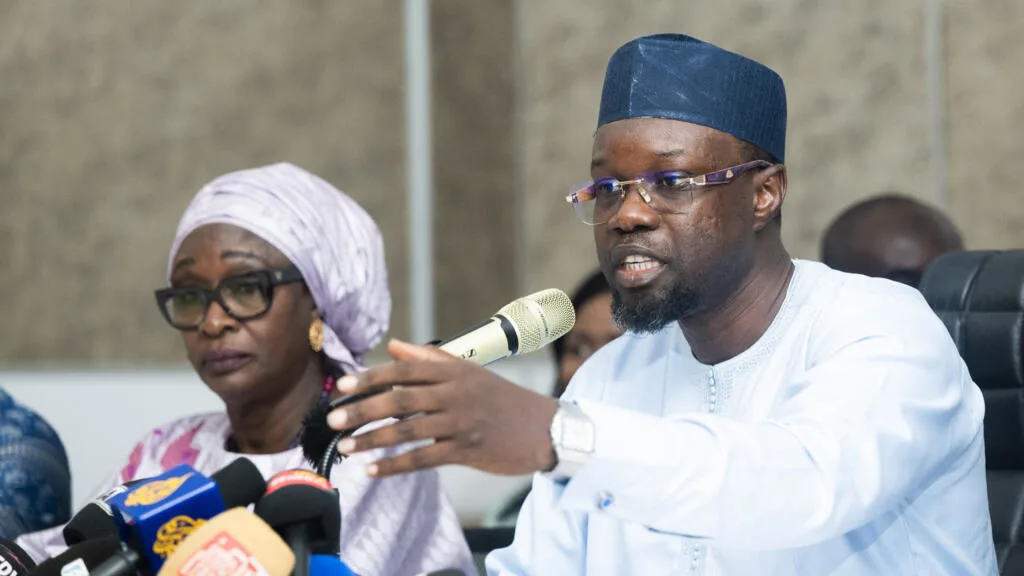
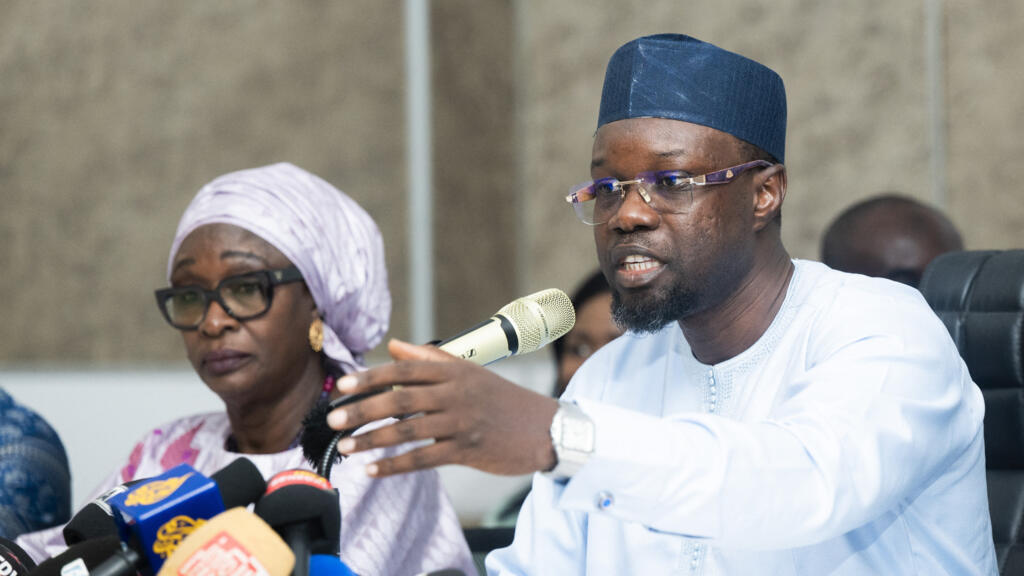
On Tuesday, June 2, former Prime Minister Ousmane Sonko addressed the press in Dakar to explain why the Pastef party, which he leads, declined to join the newly formed government unveiled the previous day by his successor, Ahmadou Al Aminou Mohamed Lô.
The decision was driven by deep disagreements with President Bassirou Diomaye Faye over both political priorities and the allocation of ministerial portfolios. Sonko emphasized that the gaps were simply too wide to bridge.
Key demands from the Pastef party—including transparency in public finances, debt restructuring strategies, and judicial reforms—remained unaddressed, leaving Sonko unconvinced by the president’s responses.
Unmet expectations on critical issues
Regarding debt management, Sonko stated that the president and the Finance Minister had made no commitments toward restructuring agreements with the IMF. On purchasing power, the administration suggested applying market prices to subsidized goods, while claiming the country already has the world’s best judicial system—positions Sonko dismissed as “half-hearted responses.”
Demands for fair representation
The party also insisted on securing at least half of the ministerial positions in any coalition government. Sonko made this clear to the president, stressing that participation would only be possible under terms that reflected the party’s political weight.
He also criticized the legitimacy of the new cabinet, which includes only five ministers from the Pastef ranks—albeit individuals not officially recognized by the party. Despite this, Sonko ruled out filing a no-confidence motion unless the administration took the first step toward confrontation.