- News
- Pan-African Affairs
Senegal’s anti-LGBT+ law sparks diplomatic tensions with France
Diplomatic relations between Senegal and France have reached a critical juncture following Senegal’s recent passage of a stricter anti-LGBT+ law and the February 2026 arrest of a French national in Dakar. These developments have intensified debates on human rights, state sovereignty, and the evolving dynamics of bilateral cooperation between the two nations.
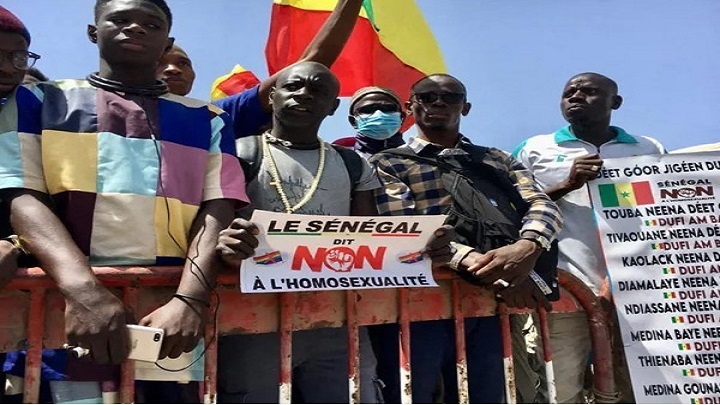
On March 11, 2026, Senegal’s National Assembly approved a legislative amendment that significantly toughens penalties for same-sex relationships. Government officials argue that the reform reinforces a legal framework aligned with the country’s sociocultural values, a position rooted in decades of restrictive legislation on LGBT+ matters. The move has drawn sharp criticism from international organizations and foreign policymakers.
In a parallel incident, a French engineer in his thirties, residing in Dakar, was detained on February 14, 2026. According to official diplomatic sources, he faces charges including unnatural acts, conspiracy, money laundering, and attempted HIV transmission. French consular authorities have confirmed active involvement in monitoring the case and maintaining communication with the detainee and his family.
The case has rapidly escalated into a political and diplomatic standoff. French officials have publicly condemned Senegal’s treatment of LGBT+ individuals, highlighting concerns over discrimination and violence. Yaël Braun-Pivet notably condemned the criminalization of sexual orientation, framing it as a violation of fundamental rights. While some view these statements as justified advocacy for human dignity, others interpret them as unwarranted interference in Senegal’s internal affairs, emphasizing the legitimacy of national laws shaped by local cultural and legal contexts.
The dispute unfolds against a backdrop of shifting Senegal-France relations, where both nations seek to redefine their partnership across economic, security, and diplomatic domains. This recalibration has occasionally led to friction, particularly on contentious issues like LGBT+ rights, which have become a major point of contention. Advocacy groups demand international protections for persecuted minorities, while others advocate for respecting national sovereignty and cultural diversity.
Clashing Perspectives on Rights and Sovereignty
The case underscores the deep ideological divide between Western and African interpretations of individual freedoms, as well as the challenges of fostering constructive diplomatic dialogue on highly sensitive topics. While formal negotiations between Paris and Dakar continue, the relationship increasingly reflects a balance of cooperation and disagreement, with tensions becoming more visible by the day.