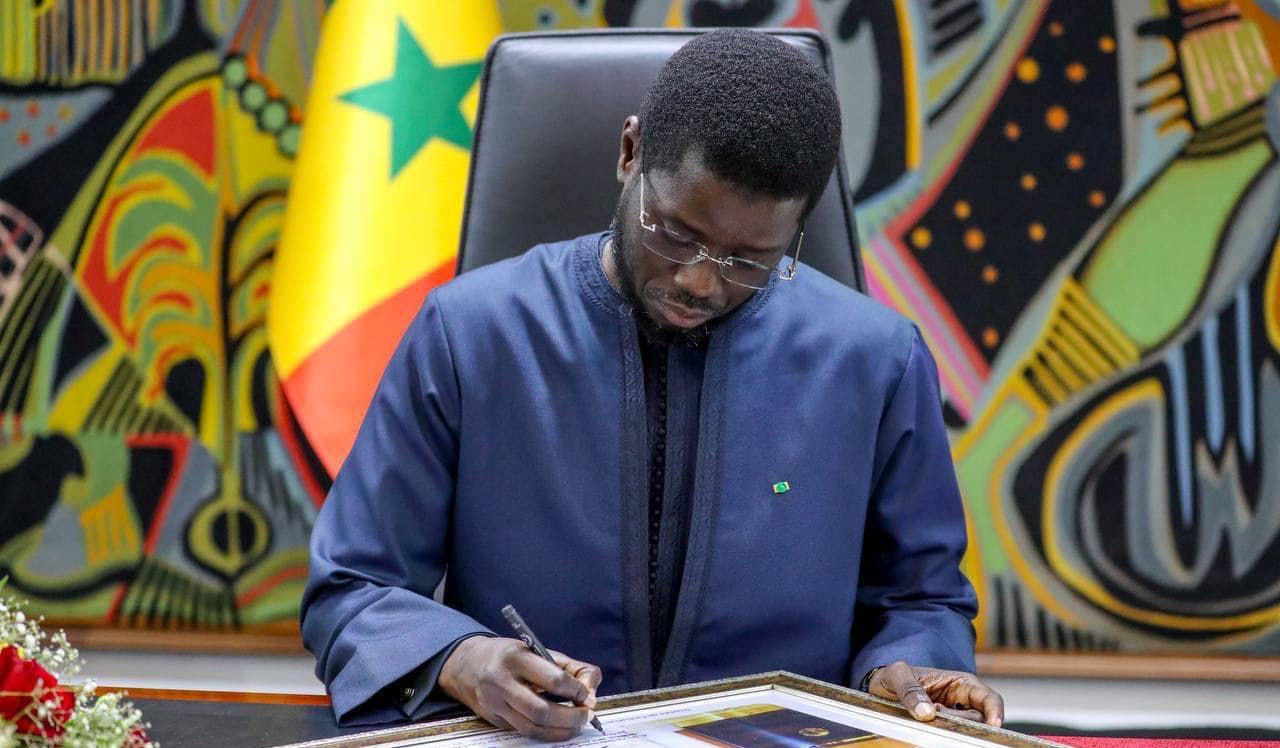
Senegal’s electoral code reform: President Bassirou Diomaye Faye ratifies critical amendments
A decisive milestone has been reached in Senegal’s electoral reform process with President Bassirou Diomaye Faye officially ratifying amendments L29 and L30 of the Electoral Code. This pivotal step follows a second parliamentary review and sets the stage for significant changes in how future elections are conducted across the nation.
Parliamentary approval paves the way for electoral transparency
The legislative journey of these amendments reflects a commitment to constitutional procedures. After initial review, the text was returned to the National Assembly on May 7 for technical corrections before undergoing a second urgent review. The revised version passed unanimously on May 11, demonstrating broad political consensus on the need for electoral reform.
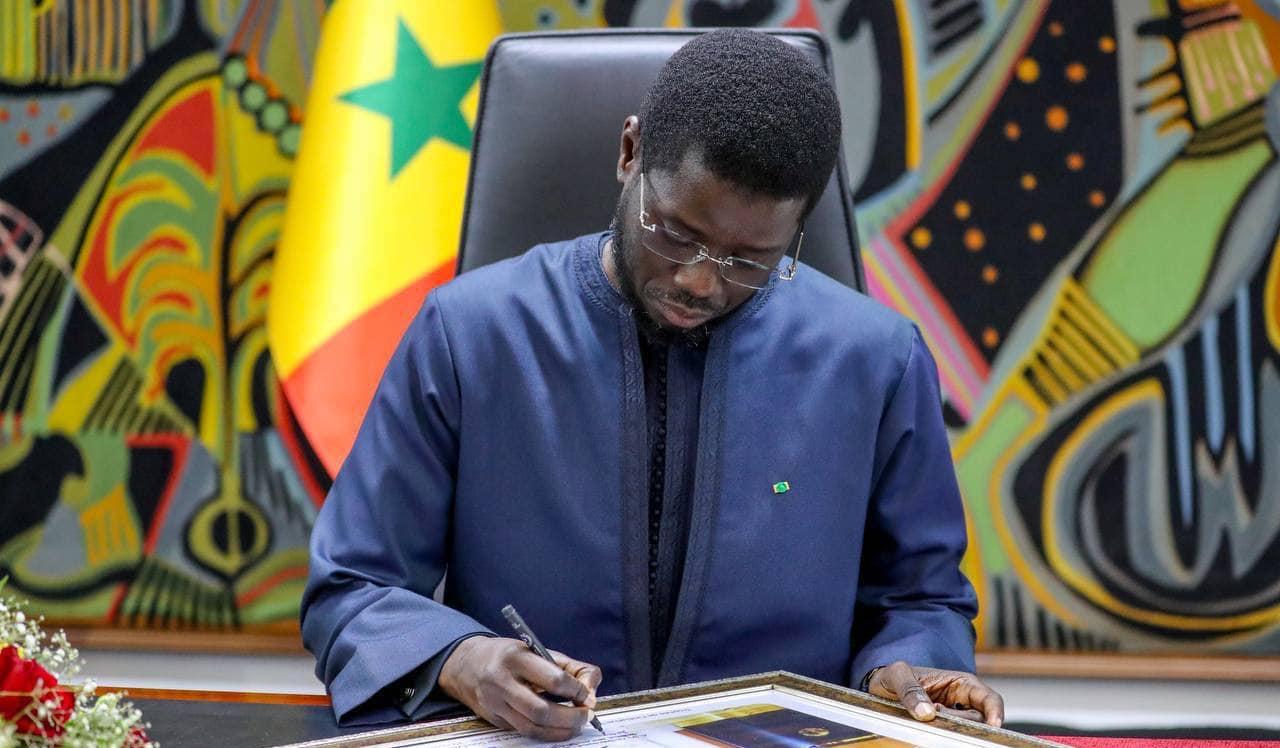
Legal experts confirm that the constitutional deadline for promulgation had not yet lapsed as of May 13, allowing the President sufficient time to sign the amendments into law. This adherence to legal timelines underscores the importance of procedural integrity in Senegal’s democratic processes.
What changes do amendments L29 and L30 introduce?
The ratified amendments introduce sweeping adjustments to the Electoral Code, with articles L29 and L30 addressing two critical areas:
- Eligibility criteria: Revising the requirements for candidates seeking public office, ensuring clearer and more inclusive participation in elections.
- Electoral process organization: Enhancing the framework for conducting elections, including timelines, logistics, and oversight mechanisms to bolster transparency and fairness.
The reforms aim to strengthen public trust in electoral institutions by addressing longstanding concerns about fairness and accessibility in Senegal’s democratic processes.
A new era for Senegal’s electoral landscape
With these amendments now enshrined in law, Senegal takes a significant step toward modernizing its electoral framework. The changes reflect the government’s dedication to creating a more transparent, inclusive, and accountable electoral system—one that aligns with the aspirations of its citizens and the principles of democratic governance.
As the nation moves forward, the implementation of these reforms will be closely monitored to ensure they deliver the intended benefits for voters and candidates alike.
Comments are closed, but trackbacks and pingbacks are open.