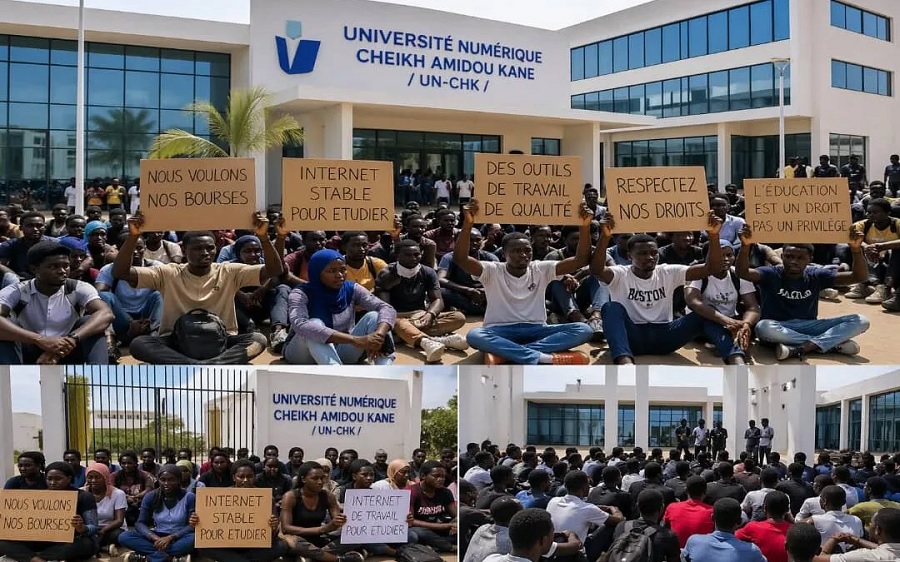
The month of May has long been synonymous with social upheaval in Senegal, a tradition dating back to 1968. With May Day kicking off the season, the nation braces for intensified demonstrations across multiple sectors—transportation, education, and public services.
why may sparks social unrest in Senegal
Historically, May has been a flashpoint for labor movements, university protests, and political dissent. The convergence of International Workers’ Day on May 1st and the legacy of France’s May 68 protests—marked by student-led uprisings that later spread to workers—has left a lasting imprint on Senegal’s social fabric. These events, though originating in France, resonated deeply in Senegal and other former French colonies, where ideological ripples fueled demands for justice and systemic reform.
The month’s significance is no coincidence. May 1st, dedicated to workers’ rights, amplifies calls for fair wages, job security, and social dialogue. Meanwhile, the memory of May 68 looms large, serving as a reference point for collective action against oppression and inequality.
transportation strikes paralyze Dakar
On May 1st, drivers and agents of the Association de Financement des Professionnels du Transport Urbain (AFTU) launched a strike, crippling urban transport in Dakar. The dispute centered on electronic ticketing systems, with the Dakar Court of First Instance intervening by suspending new machine deployments and seizing installed units. AFTU workers, frustrated by the lack of resolution, disrupted services, further straining commuters during a critical period.
ageroute’s internal strife deepens
At the Agence des Travaux et de Gestion des Routes (Ageroute), tensions escalated after HR Director Cheikh Ahmed Tidiane Thiam publicly criticized the agency’s leadership for mismanagement. His allegations included a lack of consultation and the abrupt dismissal of 23 employees, sparking outrage among staff who accused the new director-general of undermining institutional cohesion.
university protests over unpaid stipends
Students from the Université Numérique Cheikh Hamidou Kane (UN-CHK) took to the streets, demanding the full payment of their scholarships. With only two years of financial aid disbursed out of the three-year license program, they warned that failure to address the issue could trigger further disruptions. The students’ plea underscores broader concerns about access to education and financial stability in Senegal’s higher education system.
a month of reckoning for Senegal
From labor unions to university campuses, the month of May has become a battleground for workers, students, and civil servants alike. Each sector presents its own grievances—whether it’s the mismanagement of public institutions, unpaid stipends, or labor disputes—but the underlying demand remains consistent: accountability and justice.
The cumulative effect of these protests paints a vivid picture of a nation at a crossroads, where systemic issues demand urgent attention. As May unfolds, the question lingers: will these movements lead to meaningful change, or will the cycle of unrest continue?
Comments are closed, but trackbacks and pingbacks are open.