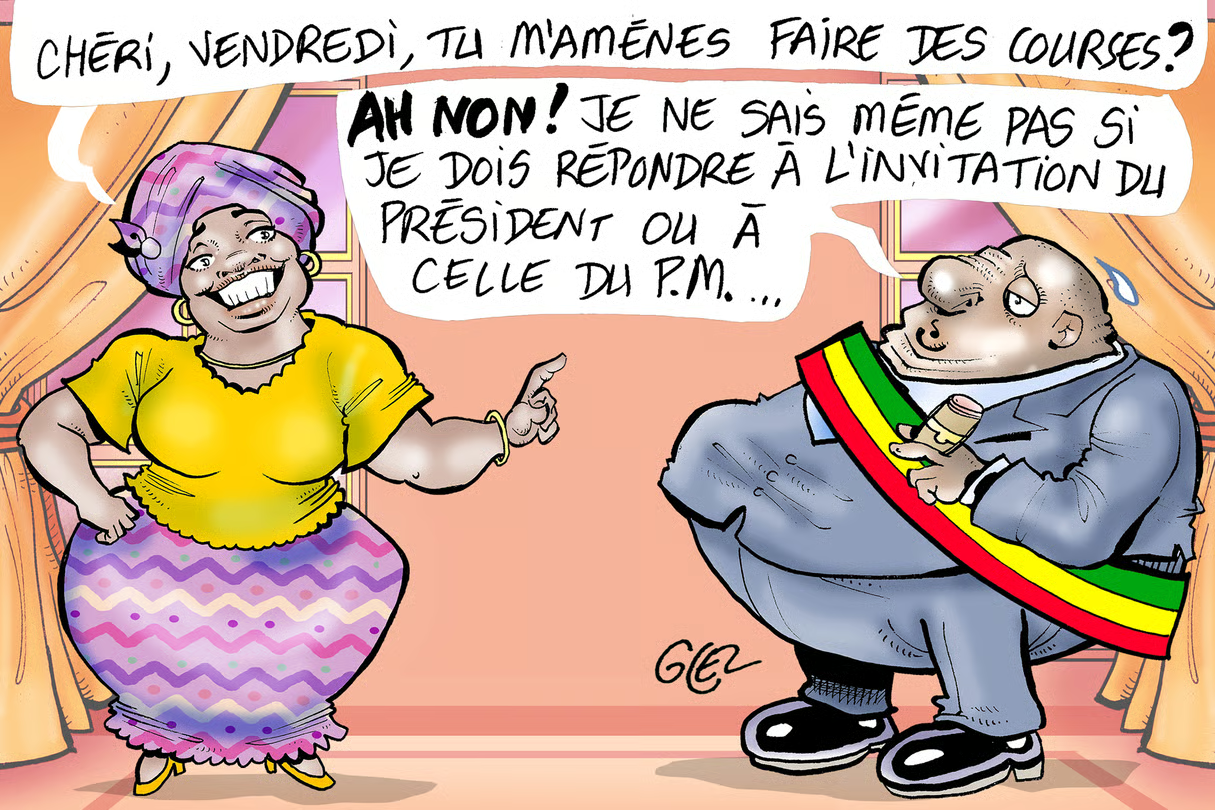
At the heart of Senegal’s political future: a clash of visions
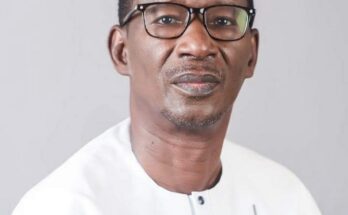
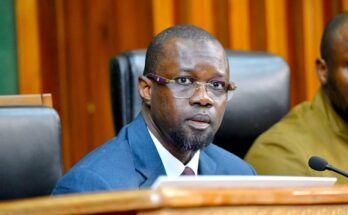
Senegal stands at a pivotal moment in its political trajectory, where two influential figures—Bassirou Diomaye Faye and Ousmane Sonko—are locked in a high-stakes battle of dialogue and strategy. Their exchanges are shaping not just local discussions but the broader landscape of Senegalese politics.
Why their dialogue matters now
Their recent consultations have become a focal point for both citizens and political analysts. As the country navigates complex socio-economic challenges, the nature of their interactions could redefine governance and policy direction in the coming years. Bassirou Diomaye Faye, with his reformist agenda, and Ousmane Sonko, known for his outspoken critique of past administrations, represent contrasting yet complementary visions for Senegal’s future.
Key issues fueling their exchanges
Their dialogue is not merely symbolic; it reflects deep divisions over critical national issues:
- Economic governance: How should Senegal manage its resources, debts, and partnerships to ensure sustainable growth?
- Institutional reforms: What changes are needed to strengthen democracy and transparency in government operations?
- Social cohesion: How can political leaders bridge divides to foster unity amid differing ideological perspectives?
- Foreign relations: What stance should Senegal take in regional and global partnerships to maximize national interests?
The public’s role in this crossroads
The outcome of this political tug-of-war will have far-reaching consequences for Senegalese citizens. Public engagement in these discussions is vital, as the choices made today will influence everything from job creation to education and healthcare access tomorrow.
What’s next for Senegal’s political landscape?
Observers are closely watching the next moves from both leaders. Will their dialogue lead to collaboration or further polarization? One thing is clear: the path forward will demand compromise, clarity, and a shared commitment to Senegal’s progress.