Senegal’s political split deepens after Diomaye-Sonko rift
June 2, 2026On Monday, Senegal’s new Prime Minister announced the composition of the government. Hours earlier, Ousmane Sonko, leader of the Pastef-Les Patriotes party, declared that no members of his political formation would be included in the cabinet.
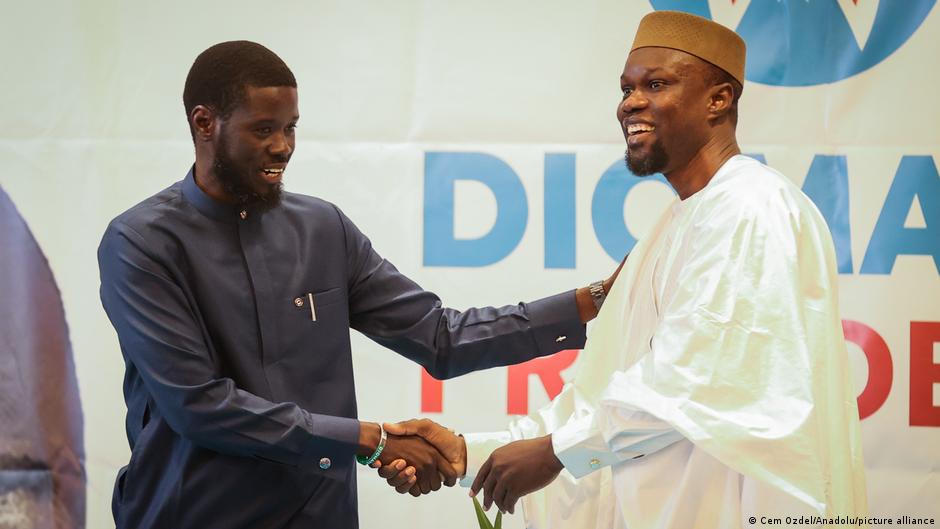
This decision seals the political rift between President Bassirou Diomaye Faye and his former ally, confirming the breakdown of a once-powerful partnership that had reshaped the nation’s political landscape.
Among Senegalese students, the split has sparked widespread bewilderment and disappointment. At Cheikh Anta Diop University in Dakar, many still struggle to accept the end of the alliance that symbolized the hope for transformative change.
Disillusionment grips student supporters
Under the shade of trees at the Faculty of Arts, Amath Segnane reviews his notes. Like many young voters, he had placed immense faith in the Diomaye-Sonko alliance.
The student voices his frustration openly. “They sold us the idea that Diomaye and Sonko were inseparable. They convinced us they trusted each other and would work side by side to rebuild this country. Now, seeing them part ways is crushing.”
To him, the separation challenges the image of unity that defined their political rise.
Some see the split as inevitable
Moments before his economics class, Mamadou Bah reflects on the situation differently. He believes the rupture was foreseeable.
“For a long time, it was clear the former Prime Minister no longer respected the President’s authority. He acted as if he stood above the head of state,” he explains. “I wasn’t surprised when he was removed or when their alliance collapsed. I fully support President Diomaye’s decision.”
Though disappointed, he acknowledges the President’s right to reclaim control of the executive branch.
Skepticism and uncertainty about the future
Not everyone accepts the finality of the split. Omar Sarr, an Arabic studies student, refuses to believe the partnership is truly over.
“Without Sonko, Diomaye would never have reached the presidency,” he insists. “They worked together for years, won the election together, and now some blame Diomaye while others side with Sonko. I refuse to accept this separation.”
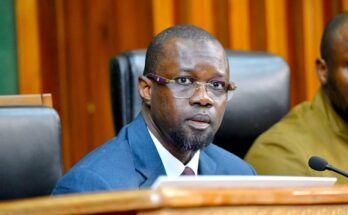
Today, President Bassirou Diomaye Faye governs without the backing of the majority party, Pastef-Les Patriotes, while Ousmane Sonko, now President of the National Assembly, has joined the opposition. This new political dynamic continues to fuel debates and uncertainty across Senegalese society.