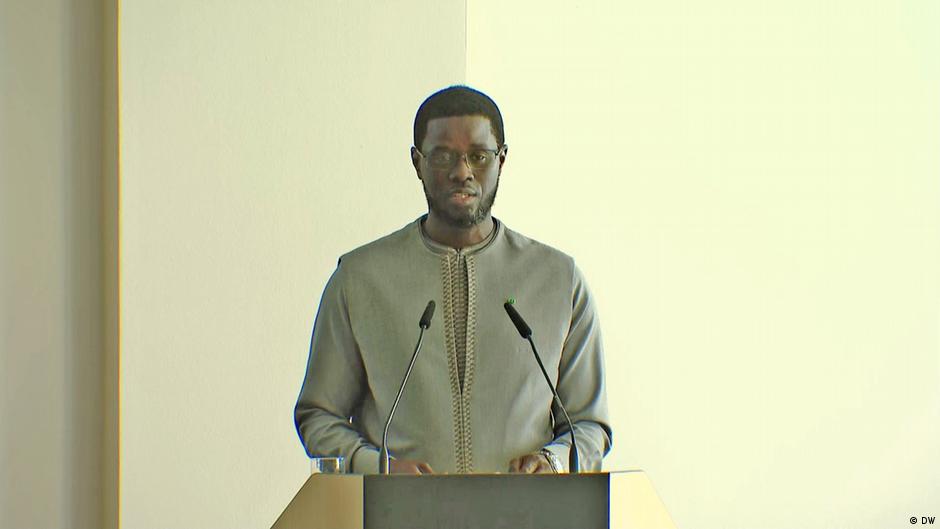
Dakar — In a strategic move to bolster foreign investments, Senegalese President Bassirou Diomaye Faye has been actively promoting the nation’s untapped potential on the international stage. During an economic forum in Berlin, he underscored the country’s robust advantages, setting the stage for high-level diplomatic engagements.
On Tuesday, Faye is scheduled to meet with German Chancellor Friedrich Merz, followed by a separate audience with German President Frank-Walter Steinmeier. These discussions come on the heels of his participation in the German-Senegalese Economic Forum in Berlin, where he presented a compelling case for why international investors should consider Senegal as a prime destination.
Strengthening business climate and legal reforms
In his address, the Senegalese leader emphasized the government’s commitment to fostering a more business-friendly environment. Key initiatives include combating corruption, introducing a new Investment Code, and revising the Customs Code to streamline bureaucratic processes. “Our goal is to eliminate unnecessary delays and create a seamless experience for businesses,” Faye stated.
The president also highlighted Senegal’s political stability and democratic traditions, positioning the country as a reliable partner in West Africa. “Senegal is not just stable—it is a gateway to a market of over 300 million consumers within ECOWAS, and nearly 1 billion across the African Continental Free Trade Area,” he noted.
Abundant natural resources and economic momentum
Faye pointed to Senegal’s rich natural endowments, including recent oil and gas discoveries that are now being exploited. The country also boasts significant reserves of phosphate, iron, gold, zircon, and potential uranium deposits. Coupled with a young and dynamic workforce, these assets make Senegal an attractive hub for industrial and technological investments.
Germany, facing a skilled labor shortage, has shown keen interest in collaborating with Senegal to train local talent. Additionally, German firms are eyeing opportunities in Senegal’s energy sector, further strengthening bilateral economic ties.
IMF assessment and future prospects
The International Monetary Fund (IMF) recently concluded an evaluation mission in Senegal, acknowledging the country’s resilient economy, which last year was bolstered by hydrocarbon production. Despite global economic headwinds, the IMF noted that Senegalese authorities have expressed renewed interest in establishing a new program with the fund. This initiative remains a focal point of debate, reflecting both progress and ongoing discussions within the government.
Comments are closed, but trackbacks and pingbacks are open.