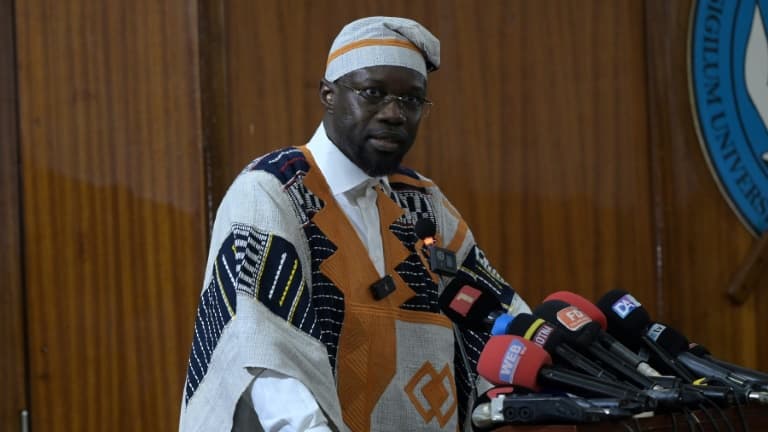
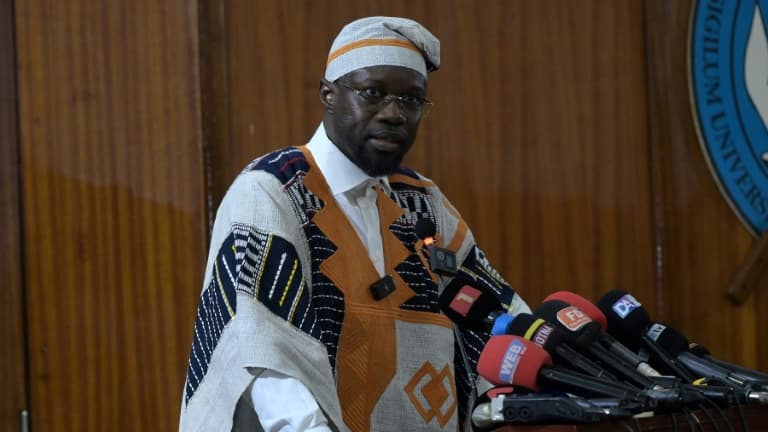
The Senegalese government has recently intensified its stance against LGBTQ+ rights, with Prime Minister Ousmane Sonko delivering a strong rebuke to Western nations during a parliamentary address on May 22. Speaking before lawmakers, he condemned what he described as an attempt by the West to impose homosexuality on the rest of the world through what he termed a tyrannical approach.
This declaration follows the adoption of a controversial law in early March, which doubles the penalties for same-sex relations, increasing sentences from five to ten years in prison. The bill was signed into law by President Bassirou Diomaye Faye on March 31, reflecting a hardening of attitudes in the predominantly Muslim West African nation.
The legislation comes amid a surge in homophobia and a wave of arrests based on allegations of homosexuality. Sonko dismissed concerns raised by Western governments and human rights organizations, asserting that no African, Asian, or Arab nation had criticized Senegal’s decision. “If the law needs to be strengthened, it will be,” he declared, emphasizing the government’s unwavering commitment to its enforcement.
Rejecting calls for a moratorium on enforcement
In mid-May, a collective of thirty African-origin personalities published an op-ed in a French newspaper, calling for a moratorium on the law’s implementation. They cited a climate of fear, hatred, and violence that had taken hold in Senegal since the bill’s passage. Sonko firmly rejected this appeal, stating, “There will be no moratorium.”
He went on to criticize Senegalese elites for being “complexed” by Western criticism, insisting that the country would not be lectured by foreign powers on its moral and legal stance. “They have chosen their path; that is their concern,” he stated, “but we will not accept their lessons.”
The Prime Minister’s remarks underscore the deep cultural and religious divisions on LGBTQ+ rights in Senegal. Same-sex relations have long been stigmatized in the country, and the ruling party has consistently framed the crackdown as a political priority. The government has pledged to ensure the law is applied “fully, impartially, and rigorously”, with Sonko emphasizing that its primary objective is to “put an end to the spread of homosexuality.”
A growing divide between Senegal and the West
The escalating tensions between Dakar and Western capitals highlight the widening gap in values and governance. While international bodies like the United Nations have expressed profound concern over the law, Sonko dismissed such reactions as “gesticulations” driven by Western moral superiority. “They preach tolerance but practice intolerance toward our sovereignty,” he argued, framing the debate as a clash between cultural relativism and imposed Western norms.
As Senegal stands firm on its position, the standoff raises questions about the future of human rights advocacy in the region and the role of international pressure in shaping domestic policies.