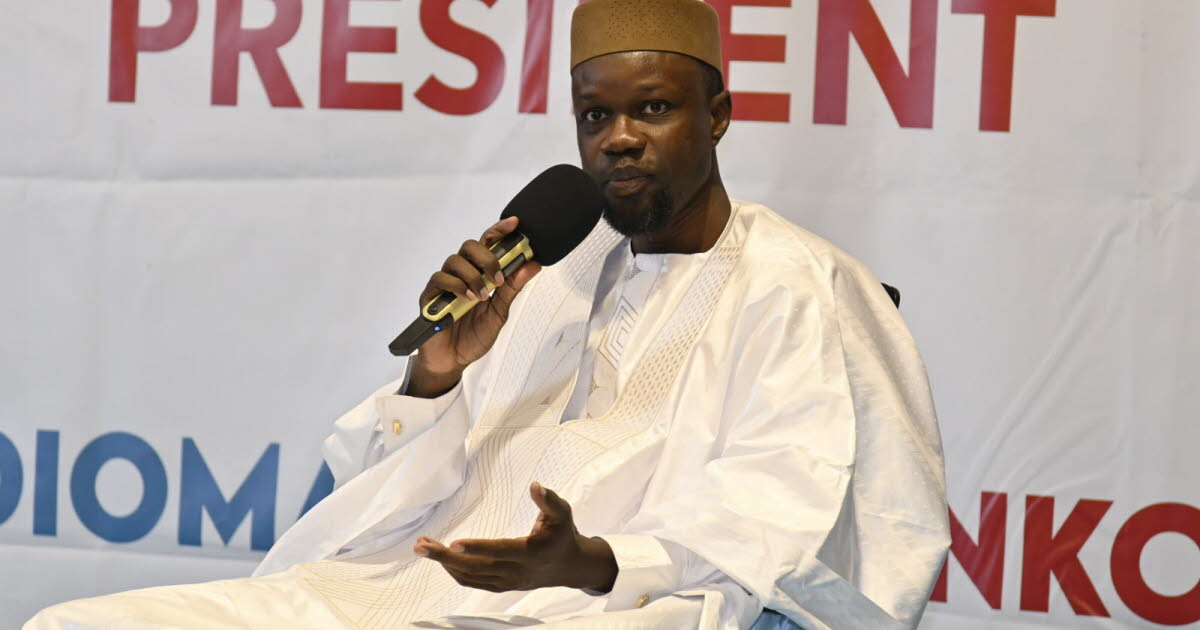
The Prime Minister of Senegal, Ousmane Sonko, has strongly criticized what he describes as Western attempts to impose homosexuality on African nations during a heated parliamentary address. Speaking in Dakar, Sonko vehemently rejected calls for a moratorium on the enforcement of a recently passed law that significantly increases penalties for same-sex relationships in the predominantly Muslim West African nation.
On March 3, Senegal’s parliament approved a controversial amendment doubling prison sentences for homosexual acts, raising the maximum penalty to 10 years. President Bassirou Diomaye Faye signed the legislation into law on March 31. The move comes amid growing homophobia sweeping through the country and a series of high-profile arrests under the existing anti-LGBTQ+ statutes.
Western ‘tyranny’ versus Senegalese sovereignty
During his speech to lawmakers, Sonko framed the debate as a clash between Senegalese cultural values and what he termed Western cultural imperialism. « There exists a form of tyranny, » he declared. « We are eight billion people on Earth, yet a small group calling itself the West—where even debate on this issue remains unresolved—uses its economic power and control over global media to force its will on the rest of humanity. On what authority? »
The Prime Minister specifically targeted French criticism of the new legislation, stating, « If they have chosen these practices, that is their affair. We will accept no lessons from them—absolutely none. » He went on to emphasize that Senegal would not bow to external pressure, asserting that no Asian, African, or Arab nation had publicly criticized the law.
No concessions on enforcement
Sonko made it unequivocally clear that there would be no moratorium on the application of the law. « If this law needs to be strengthened further, it will be, » he warned. He called on the judiciary to ensure the law is applied « fully, impartially, and rigorously, » with the stated goal of ending what he described as the « spread of homosexuality » in Senegal.
The Prime Minister’s stance follows a mid-May open letter from a group of about thirty prominent figures of African descent, published in a French newspaper, urging a temporary halt to the law’s implementation. The signatories cited what they described as a climate of fear, hatred, and violence gripping Senegal since the legislation was passed. Sonko dismissed these concerns, attributing them to « complexes among parts of our elite, » and reaffirmed the government’s commitment to strict enforcement.
Homosexuality has long been stigmatized in Senegal, where same-sex relations are widely viewed as a moral transgression. The government’s decision to toughen penalties for LGBTQ+ individuals aligns with a longstanding political promise from the ruling party, resonating strongly with conservative segments of the population.