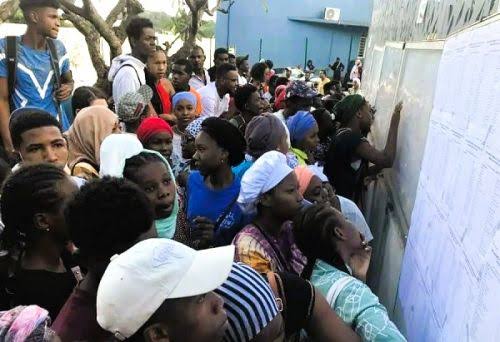
Tchad Bac 2026: nearly 43% of students face setback in national exams
Chad’s 2026 baccalaureate results reveal a highly competitive exam with 42.96% of students failing to secure a passing grade. The announcement has sparked mixed reactions across N’Djamena and the nation.
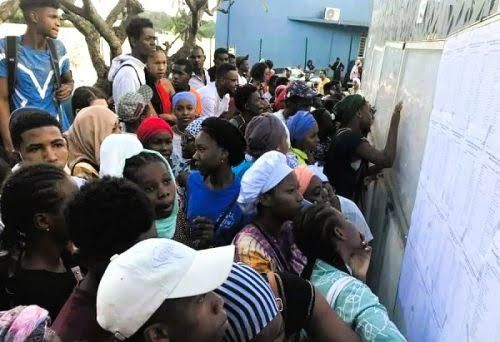
The release of Chad’s baccalaureate results for 2026 has left students and families across the country grappling with contrasting emotions. While some celebrate their hard-earned success, others confront the harsh reality of failure—a setback that postpones their academic dreams but does not necessarily define their future.
Official figures from the Office national des examens et concours du supérieur show that 106,231 candidates registered for this year’s exams across all streams. Of these, only 27,872 secured direct admission, translating to a pass rate of 26.24%. An additional 32,722 students, or 30.80%, advanced to oral or supplementary rounds, keeping their hopes alive for a second chance.
However, the stark reality is that 42.96% of candidates—45,637 students in total—did not meet the minimum requirements in this year’s exams. These figures underscore the rigorous nature of the baccalaureate, which remains one of the most demanding academic milestones in Chad’s education system.
Performance gaps highlight stream disparities
The results vary significantly depending on the academic stream. The DA stream led with a 79.28% direct admission rate, followed by the AB stream at 73.42% and the CA stream at 60.87%. In stark contrast, the G2A stream recorded the lowest success rate at just 11.76%. The D stream, despite having the highest number of candidates (25,952), saw only 23.32% secure direct admission.
Behind the numbers: systemic challenges
The high failure rate cannot be attributed solely to individual effort—or lack thereof. Behind every unsuccessful result lie deeper systemic issues: inadequate preparation, financial constraints, limited access to educational resources, overwhelming class sizes, and interrupted schooling. These challenges reflect the broader struggles within Chad’s education sector, where access to quality learning remains uneven.
A call for resilience and support
For the thousands of students who fell short this year, the path forward demands resilience. Failing an exam is not the end of the road but a detour that requires recalibration. History is filled with stories of individuals who, despite early academic setbacks, went on to achieve great success through determination, discipline, and perseverance.
Educational authorities, school administrators, and families play a crucial role in supporting these students. Targeted tutoring, consistent mentorship, and improved career guidance can help bridge gaps and better prepare candidates for future attempts. Those who advanced to supplementary rounds must also maintain their focus, as their journey is far from over.
The 2026 baccalaureate results in N’Djamena are not just a reflection of individual performance—they are a testament to the resilience of Chad’s youth and the need for a more inclusive and supportive education system. As one African proverb reminds us, “A fall does not mark the end of the journey; it is the refusal to rise that truly closes the path.” Today’s setback may close one door, but tomorrow’s effort can open another.