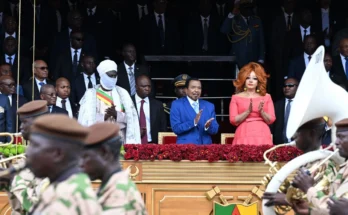
For three and a half decades, the pattern has repeated without fail. The settings change, the faces of self-proclaimed saviors rotate through generations, yet the blood spilled daily maintains a consistent hue: the color of failure. Rather than resolving intercommunal clashes, authorities stage them. The roar of presidential convoys kicking up dust that blankets villages and blinds victims takes precedence over the calm resolve of an impartial judiciary. This is the anatomy of a deliberately engineered collapse.
Theatrics of displacement, tragedy of reality
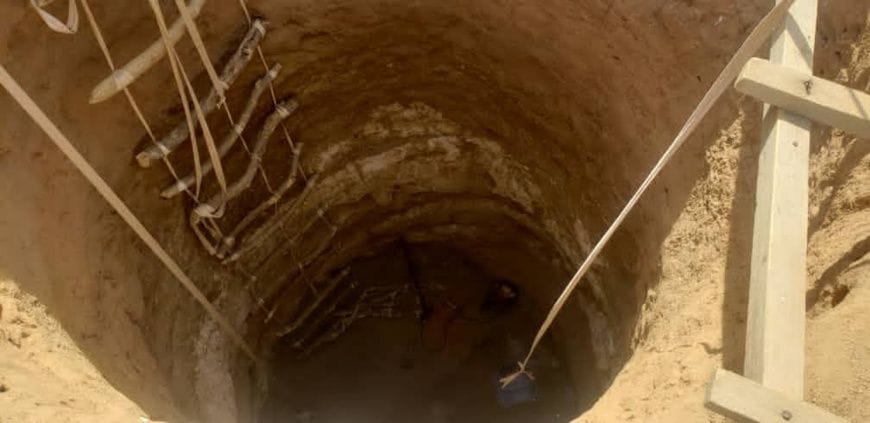
When disputes erupt over water sources or grazing lands, the state’s response follows a scripted choreography. High-level delegations arrive, mediations unfold with great fanfare, and paternalistic speeches fill the air. Yet once the dust from the 4x4s settles, nothing remains. That is the crux of the issue. These performances come at a steep cost. The budget for a single presidential tour or a flashy peace mission could fund thousands of modern wells, turning scarce resources into shared assets. But building lasting infrastructure undermines the very rationale for perpetual intervention. By starving institutions of resources, authorities ensure the survival of the savior narrative.
Shattered institutions, a judiciary in shackles
Elsewhere, leaders remain in their capitals not out of disdain for local strife, but because their nations function. In Tchad, however, politics has systematically emasculated justice. An empowered judiciary poses a direct threat to those who govern through arbitrariness. By denying courts the autonomy to adjudicate fairly, the state forces citizens to take matters into their own hands. Dying for access to a well in the 21st century is neither divine punishment nor an ancestral curse; it is the inevitable outcome of an institutional void deliberately left unfilled. The political class has failed entirely, opting to manage crises rather than forge a prosperous and united nation.