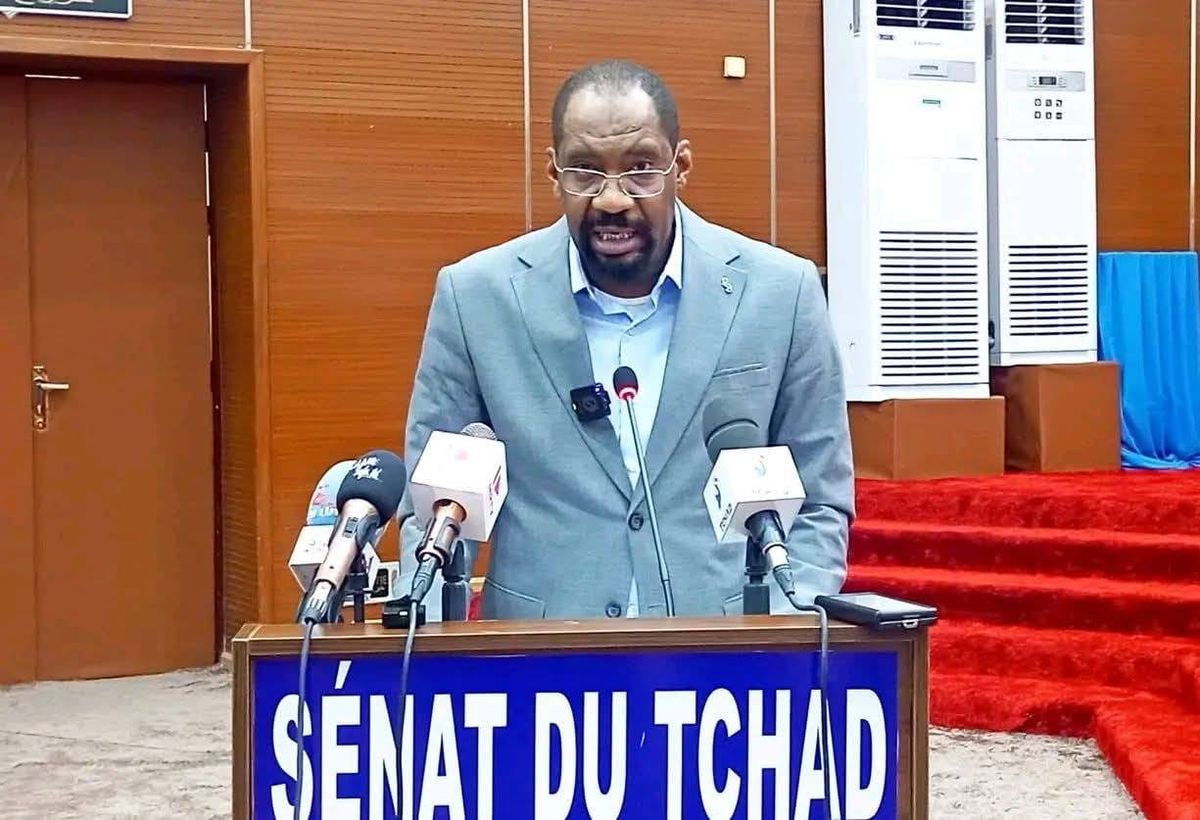
The Minister of Public Security and Immigration in Chad has urged collective action to address the surge in intercommunal conflicts sweeping across the nation. Speaking at a pivotal parliamentary session led by Senate President Dr. Haroun Kabadi, the minister outlined a comprehensive strategy to restore peace and strengthen social cohesion.
Parliamentary scrutiny of security challenges
On June 1, 2026, the Upper House of Parliament convened a special plenary session to examine pressing security concerns affecting communities nationwide. Senators raised urgent questions about escalating intercommunal violence and the government’s response to rising insecurity in several regions.
Key issues debated included the need for stronger state presence in volatile areas, enhanced conflict prevention mechanisms, and improved operational capacity of national defense and security forces. The minister addressed these concerns with detailed responses, presenting government initiatives to curb violence and protect civilians.
Devastating toll of intercommunal clashes
According to official data presented during the session, intercommunal violence claimed 318 lives and left 3,015 injured between 2024 and 2025. Beyond human casualties, the unrest has caused severe material damage, disrupting livelihoods and destabilizing communities across Chad.
The minister emphasized that these statistics reflect a deepening crisis threatening national unity, territorial stability, and public development efforts. He warned that unchecked intercommunal tensions could derail progress and undermine social harmony.
Government’s multi-pronged security strategy
To counter these threats, the government has launched a robust security plan targeting high-risk zones. Measures include intensified patrols, deployment of new mobility assets such as motorcycles for rapid response teams, and the recruitment of 1,000 additional police officers and 1,000 gendarmes to expand national security coverage.
The minister stressed that security alone cannot resolve intercommunal conflicts. He called for a holistic approach integrating community dialogue, local mediation, and public awareness campaigns. Traditional, religious, and administrative leaders must play an active role in fostering reconciliation and preventing violence before it escalates.
A shared commitment to peace and stability
The parliamentary session concluded with a renewed pledge from state institutions to safeguard peace, reinforce national unity, and ensure the safety of all citizens. While acknowledging progress, the minister underscored the need for sustained collaboration among all societal actors to build a resilient and harmonious Chad.