
A significant development has emerged in Cameroon’s political landscape, centering on an alleged fake decree scandal, often referred to as the Baboke affair. This high-stakes situation involves the attempted dissemination of forged presidential documents, shaking public trust and raising questions about official procedures.
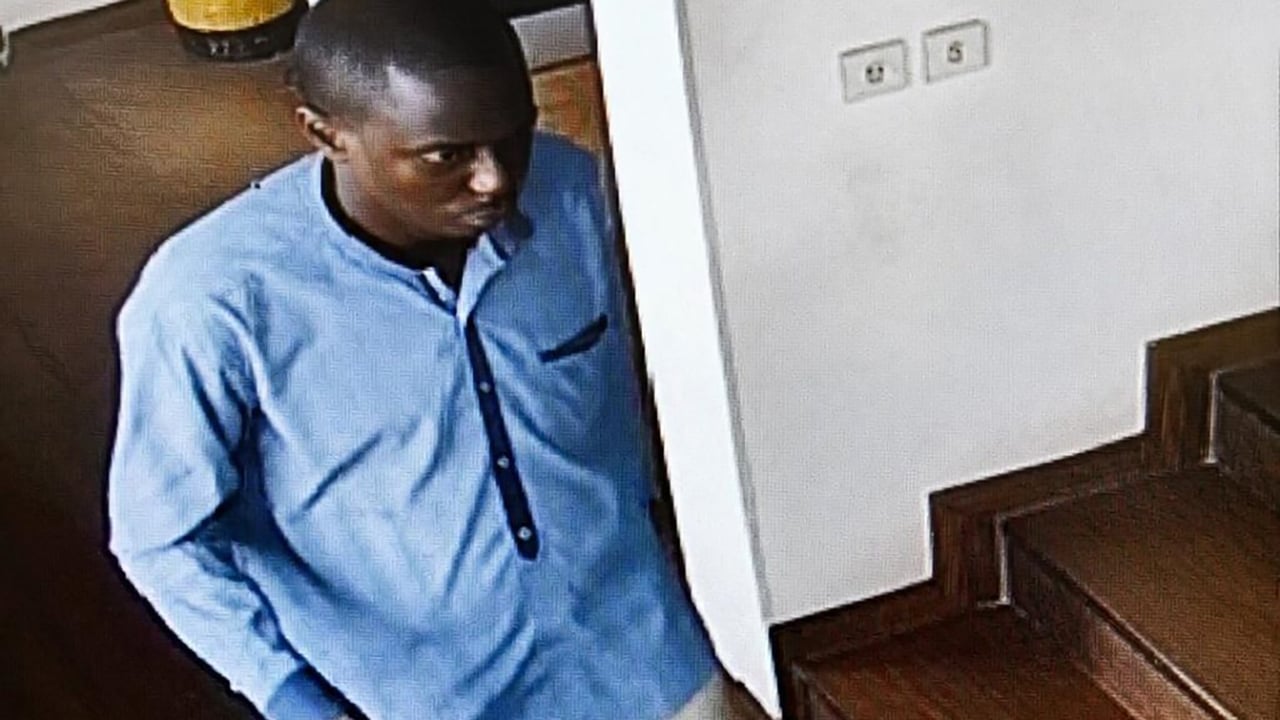
At the heart of this unfolding controversy is Johann Sitchom, who was recently apprehended. Sitchom’s arrest follows his alleged attempt to broadcast what were presented as official presidential decrees through the national broadcaster, CRTV. The incident highlights the critical importance of verifying official communications, especially those emanating from the highest levels of government.
The implications of this alleged attempt to circulate counterfeit decrees are far-reaching within Cameroon’s political circles, impacting discussions around figures such as Ferdinand Ngoh Ngoh, Samuel Mvondo Ayolo, and President Paul Biya’s administration. Authorities are actively investigating the full scope of this intricate affair, seeking to uncover all individuals involved in the creation and attempted distribution of these fraudulent documents.