Since 2025, Togo has quietly expanded its defense strategy against Sahel-based jihadist groups, forging new partnerships while reinforcing existing ones. The country’s leadership, under President Faure Gnassingbé, has turned to unconventional allies to bolster its security framework, signaling a shift in regional security dynamics.
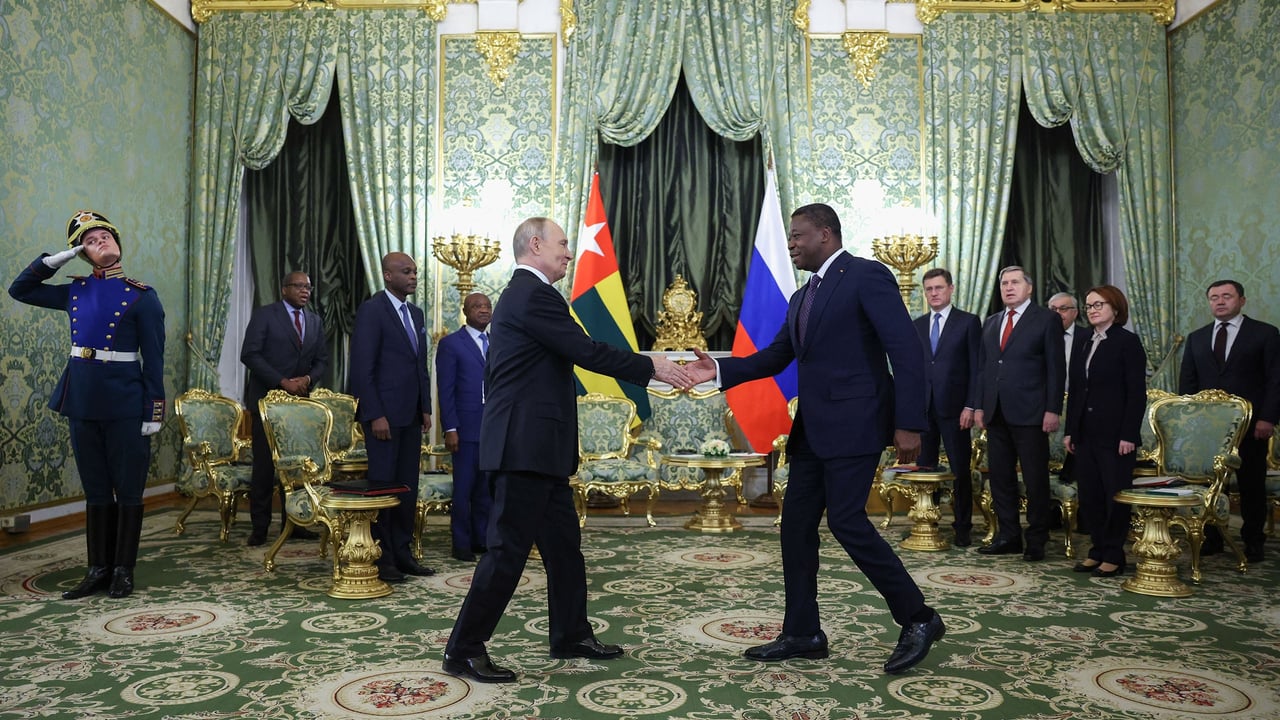
The Turkish government has emerged as a key partner, providing aerial support and military assistance to Lomé. Meanwhile, Russia and its Africa Corps have also entered the equation, offering an alternative security model that aligns with the West African nation’s evolving priorities.
This strategic pivot reflects Togo’s proactive approach to countering terrorism, particularly as threats from neighboring Burkina Faso and Niger intensify. By diversifying its alliances, the country aims to enhance its operational capabilities while maintaining regional stability.
Strategic partnerships in a shifting security landscape
The collaboration between Togo and Turkey dates back several years, with Ankara providing critical air support and logistical aid to combat jihadist movements in the Sahel. This partnership gained momentum as Lomé sought to strengthen its defense infrastructure without relying solely on traditional Western allies.
In parallel, Russia’s Africa Corps has positioned itself as a viable security partner, offering training, equipment, and operational expertise. The presence of Russian forces in Togo has raised eyebrows in diplomatic circles, but the government has framed it as a necessary step to safeguard national and regional security.
Faure Gnassingbé’s vision for Togo’s defense
President Faure Gnassingbé has long emphasized the need for a robust and adaptable security strategy. By engaging with both Turkey and Russia, he aims to create a multi-layered defense network that can respond to emerging threats. This approach underscores Togo’s commitment to proactive security management, even as regional instability persists.
The government’s decision to work with Africa Corps reflects a broader trend in West Africa, where nations are increasingly exploring non-traditional security alliances. While the long-term implications remain uncertain, Togo’s strategy highlights its determination to stay ahead of evolving challenges.
Implications for regional stability
Togo’s alignment with Turkey and Russia carries significant implications for the Gulf of Guinea and the wider Sahel region. As jihadist groups continue to exploit weak governance and porous borders, the country’s proactive stance could serve as a model for neighboring states grappling with similar threats.
However, this shift also raises questions about the balance of power in West Africa. The involvement of external actors like Russia introduces new variables into an already complex security equation, potentially reshaping alliances and power dynamics in the region.