The West African nation of Togo is quietly reshaping its security strategy to confront the escalating threat posed by jihadist groups across the Sahel. As regional instability deepens, Lomé has quietly forged discreet partnerships with international actors, including the Turkey, the Russian Federation, and its controversial Africa Corps military unit. These covert alliances, emerging since 2025, reflect a strategic pivot in Togo’s approach to regional security.
Strategic partnerships in the shadows
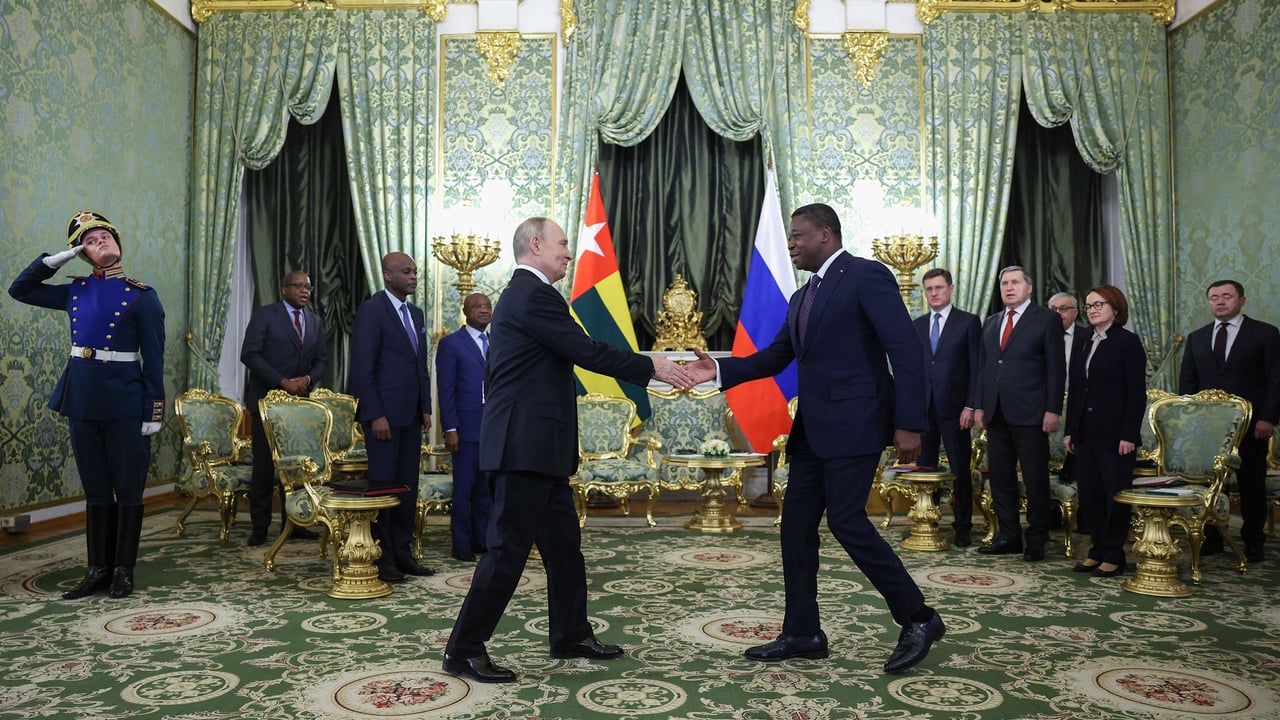
Togo’s evolving security doctrine has led to behind-the-scenes collaborations that extend beyond traditional alliances. While the country has historically relied on support from France and neighboring nations, recent developments signal a broader recalibration of partnerships. The Turkish government has become an unexpected ally, providing critical aerial and logistical support to bolster Lomé’s counter-terrorism capabilities. Meanwhile, the Russian Africa Corps has emerged as a visible player in Togo’s defense posture, offering specialized training and equipment.
These efforts are concentrated in Togo’s northern regions, particularly near the Savanes area, where authorities have identified jihadist sleeper cells and arms trafficking networks. Intelligence reports indicate that foreign operatives linked to regional extremist factions have exploited porous borders to establish clandestine bases, prompting Lomé to take preemptive action.
Faure Gnassingbé’s evolving security vision
At the helm of this strategic shift is Togo’s President Faure Gnassingbé, who has progressively steered the country toward a more diversified security framework. Under his leadership, Togo has sought to reduce dependence on former colonial powers while cultivating new partnerships. The Africa Corps, in particular, has gained prominence due to its rapid deployment capabilities and operational flexibility in high-risk environments.
The collaboration with the Africa Corps has included joint military exercises, intelligence-sharing initiatives, and the establishment of forward operating bases. These measures are designed to address the dual threats of cross-border terrorism and transnational crime, which have intensified in recent years. Analysts note that Togo’s approach reflects a broader trend among Sahel nations to explore alternative security solutions amid waning trust in Western-led initiatives.
Challenges and considerations
While these partnerships offer tangible benefits, they also introduce complexities. The Africa Corps’ involvement has drawn scrutiny from international observers, particularly regarding human rights records and the long-term implications of military cooperation with Moscow. Additionally, the covert nature of these agreements raises questions about transparency and accountability in Togo’s defense strategy.
Domestically, the government faces pressure to balance security imperatives with public expectations for democratic governance. The opposition has questioned the secrecy surrounding these alliances, calling for greater parliamentary oversight and clarity on the terms of engagement with foreign military entities.
Looking ahead: A new chapter for Togo
As Togo navigates this evolving security landscape, the decisions made today will shape its stability for years to come. The partnerships with Turkey, Russia, and the Africa Corps represent more than just tactical adjustments—they signal a fundamental reorientation of Togo’s foreign and defense policies. With jihadist threats showing no signs of abating, Lomé’s ability to adapt and innovate will determine its resilience in an increasingly volatile region.