The Togolese opposition has secured rare permission to hold a public gathering in Lomé, marking a potential shift in the country’s political climate after years of restrictive measures. This development raises a crucial question: is this a genuine step toward political liberalization, or merely a temporary easing of tensions?
CNCC coalition leads the charge
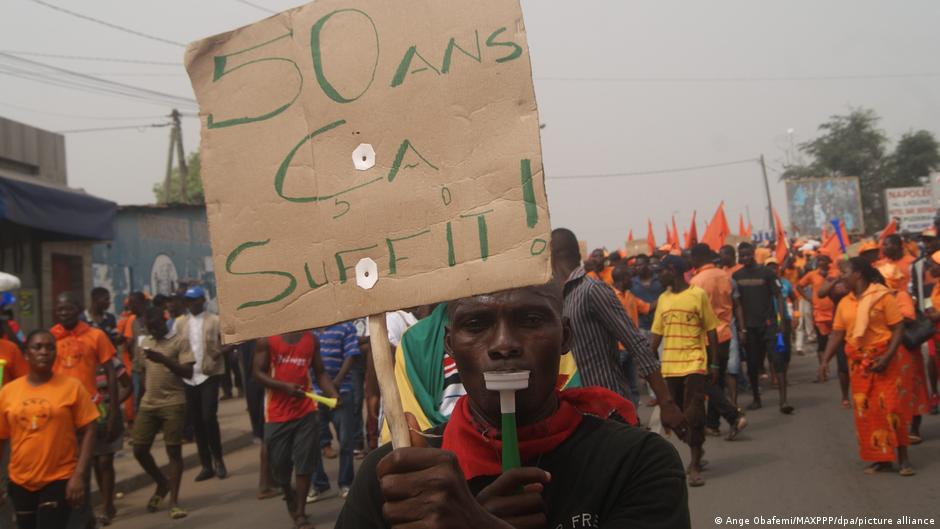
The historic meeting, held on Saturday by the National Framework for Consultation and Change (CNCC), drew hundreds of participants. This coalition unites four opposition parties with civil society organizations, signaling a coordinated push for systemic reform.
Davdi Dosseh of the Front Citoyen Togo Debout emphasized the movement’s resolve: « We demand governance reform because Togo suffers from systemic corruption and crumbling public services. For years, peaceful gatherings have been systematically blocked under flimsy pretexts. We will not back down. »
Is this a lasting political thaw?
While the government’s authorization of the march is noteworthy, analysts urge caution. Paul Amégankpo, political scientist and director of the Tamberma Institute for Governance, views the gesture as a potential test of political will rather than a definitive opening.
« The Togolese government’s approval of this peaceful opposition march is a positive step, » he notes. « However, given the broader political context, we must interpret it prudently—as an attempt to relax restrictions on peaceful assembly, association, and political activity. »
Amégankpo stresses the need for further signs of commitment: « We must wait for additional measures before concluding that Togo is entering a sustained period of political and civic freedom. »
The coming weeks will reveal whether this event heralds a new democratic chapter or remains an isolated concession in an otherwise tense political landscape.