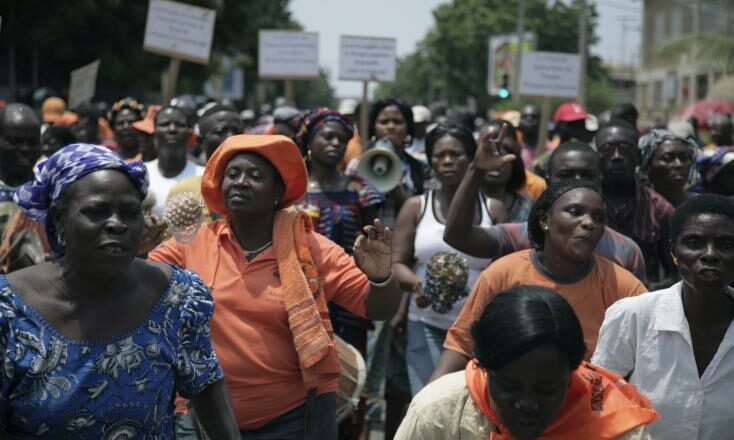
Hundreds of demonstrators took to the streets of Vogan, a town in southern Togo, on Sunday to voice their opposition to the 2024 constitutional reforms. The changes, critics argue, pave the way for President Faure Gnassingbé to extend his decades-long rule, sparking fresh protests from civil society and opposition groups.
Opposition unites in second major rally
The protest was organized by the Cadre national de concertation pour le changement au Togo (CNCC), a coalition of opposition parties and civil society organizations. This was the second major gathering in three months, following an initial demonstration in early May—a rare display of public dissent in a climate where opposition movements have faced growing restrictions.
Slogans echo demands for constitutional legitimacy
Protesters carried signs with messages like “No to unconstitutional government changes” and “Constitutional coup”, condemning the reforms as an illegitimate power grab. David Dosseh, spokesperson for the Front citoyen Togo debout (FCTD), one of the driving forces behind the mobilization, emphasized the gravity of the situation: “The 2024 Constitution is entirely illegal. It represents a constitutional coup that the people of Togo will never accept.”
Key changes under the new Constitution
The 2024 constitutional amendments mark a significant shift in Togo’s political landscape. The reforms abolished direct presidential elections, replacing them with a parliamentary system. The highest executive role, now titled President of the Council, is held by Faure Gnassingbé, who has led the country since 2005.
Opposition vs. government narratives
Critics argue the reforms are designed to indefinitely prolong Gnassingbé’s presidency, while government officials claim the changes enhance institutional representativeness. Tensions flared in 2025, with civil society reporting seven deaths during protests, though prosecutors attributed five fatalities to drowning.
Regional court weighs in on constitutional dispute
The controversy reached a new stage on January 29, when the Economic Community of West African States (ECOWAS) Court of Justice ruled that the reforms constituted an “unconstitutional change of government.” The Togolese government swiftly rejected the decision, asserting that the court overstepped its authority by ruling on domestic constitutional matters—arguing that its jurisdiction is limited to human rights and community law compliance.