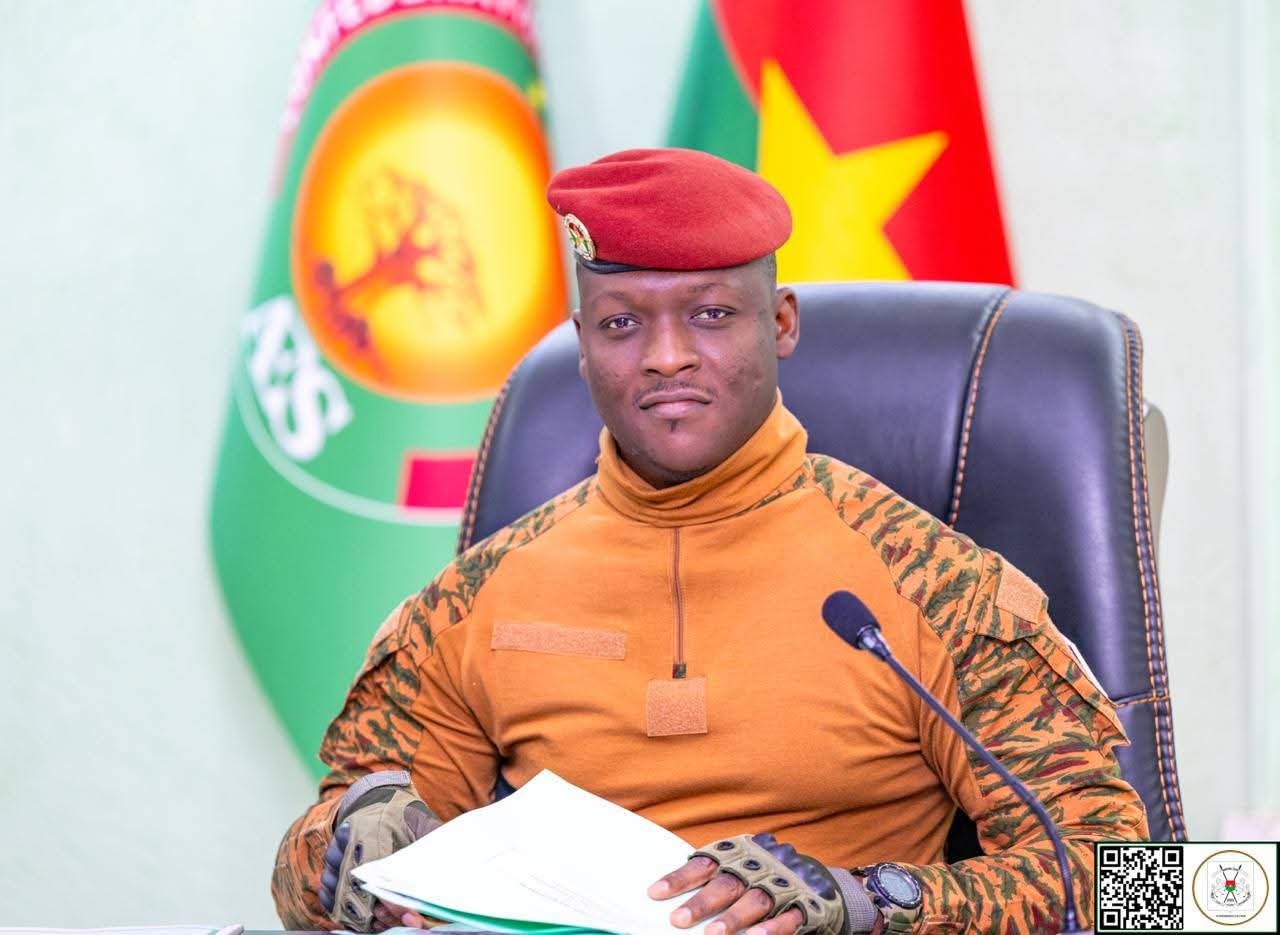
The Confédération des États du Sahel (AES), marking its second anniversary on July 6, 2026, has been the subject of an ambitious address by its current president, Captain Ibrahim Traoré of Burkina Faso. While the speech painted a largely positive picture of progress and future ambitions for the alliance between Burkina Faso, Mali, and Niger, the gap between rhetoric and reality remains stark. The lofty promises of transformation now face the harsh scrutiny of ground-level challenges.
The AES president highlighted key strides in political, diplomatic, and military cooperation, emphasizing enhanced counterterrorism coordination, the strengthening of shared institutions, and gradual economic integration. Yet, the address conspicuously lacked concrete metrics—no figures, no benchmarks—to substantiate these claims. Across the Sahel, communities still grapple with persistent insecurity, spiraling inflation, crumbling access to essential services, and a sluggish economy. These unresolved issues continue to overshadow the alliance’s stated achievements.
The vision outlined in the address is sweeping: economic sovereignty through industrialization, local resource processing, food and energy security, and unhindered movement of people and goods. However, turning these aspirations into reality demands substantial investment, robust infrastructure, and lasting stability—resources that the three nations currently lack. Their financial constraints and fragile security landscape present formidable hurdles to progress.
A recurring theme in the speech was the attribution of AES challenges to an alleged “economic and media war,” disinformation campaigns, and external pressures labeled as imperialist and neocolonial. This narrative, central to the bloc’s official stance since severing ties with Western partners, has yet to win unanimous support among analysts. Many observers argue that internal governance deficits, economic hardships, and the unrelenting threat of terrorism also play pivotal roles in the alliance’s struggles.
The address struck a conciliatory note by reaffirming that the AES harbors no enmity toward any people or group, while also signaling ongoing talks with the Economic Community of West African States (ECOWAS) to redefine future relations. This gesture of dialogue marks a shift from years of strained relations, hinting at a possible preservation of regional freedoms like cross-border movement.
Ultimately, the speech read less like a rigorous performance review and more like a political rallying cry to solidify support for the AES project. Two years into its existence, the alliance boasts a clear vision and mobilizing discourse centered on sovereignty and unity. Yet, the ultimate measure of success lies in tangible outcomes: safer communities, job creation, economic growth, and improved living standards for ordinary citizens.
These lofty ideals collided sharply with reality just days before the anniversary. On July 4, 2026, coordinated attacks targeted multiple military positions in Mali, including Gao, Aguelhok, Anéfis, Sévaré, and Kéniéroba. The brazen assaults exposed the enduring reach of armed groups and underscored the limitations of the AES’s security frameworks, despite repeated claims of enhanced military cooperation and joint operations.
For the people of the Sahel, the message is clear: the time for slogans has passed. They demand tangible results—fewer attacks, restored stability, and security that translates into daily safety. Until such progress materializes, the bold vision of the AES risks remaining just that: a vision.