UN warns of extreme violence in eastern Democratic Republic of Congo amid ongoing conflict
A United Nations-backed independent investigation panel has issued a stark warning about a “situation of exceptional gravity” unfolding in the eastern regions of the Democratic Republic of Congo (DRC). On June 29 in Geneva, the panel revealed it had documented alarming accounts of sexual violence, unlawful executions, and forced child recruitment perpetrated in North Kivu and South Kivu provinces.
Conflict-induced abuses escalate in mineral-rich provinces
The panel’s findings highlight a disturbing escalation of abuses in areas long plagued by instability, particularly in North Kivu and South Kivu—regions rich in cobalt, gold, and other strategic minerals. These provinces have been the epicenter of clashes between government forces and the M23 armed group for nearly three decades, creating a humanitarian crisis that has left millions displaced.
Civilian population faces unprecedented threats
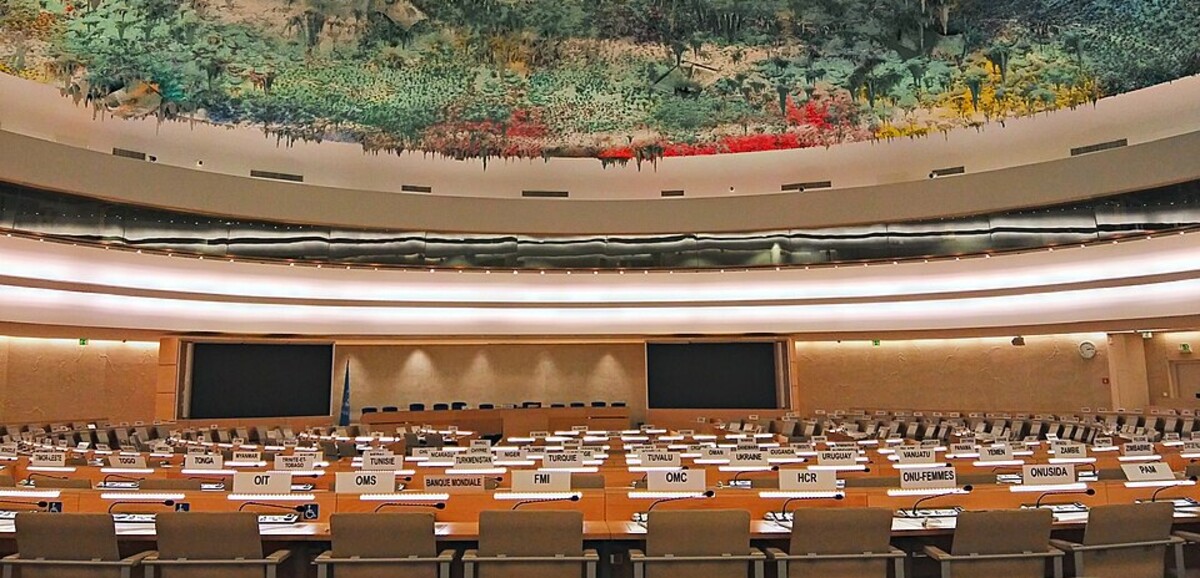
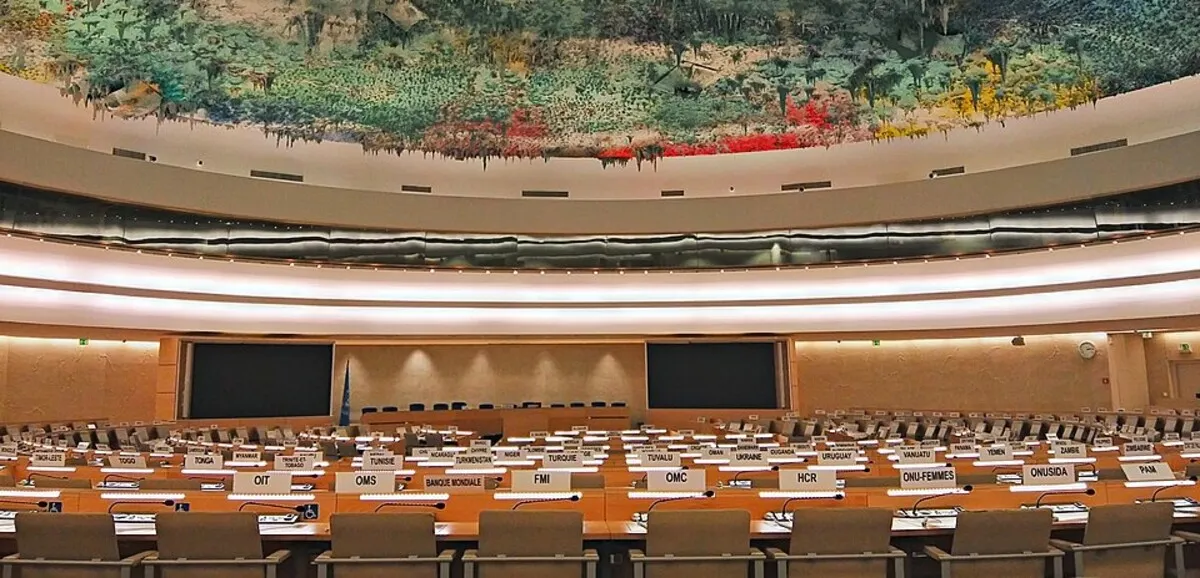
During a presentation to the Human Rights Council, the panel’s chair, Arnauld Akodjenou, described “deeply troubling” testimonies from survivors and witnesses. The accounts detail harrowing experiences, including sexual slavery tied to the conflict, arbitrary detentions, deliberate attacks on schools and healthcare facilities, and the forced conscription of minors into armed factions. Civilians, the panel emphasized, remain “unprotected and vulnerable” amid the collapse of public institutions and the intensification of hostilities.
“The information brought to our attention reflects a level of brutality that demands urgent international attention,” Akodjenou stated. “These crimes are not isolated incidents but part of a broader pattern of systematic violations.”
Preliminary findings and calls for action
Established by the Human Rights Council, the commission is still in the early stages of its investigation. While it has not yet drawn definitive conclusions about the scale or nature of the abuses, it has already documented credible reports of obstruction to humanitarian access, mistreatment in detention centers, and threats against human rights defenders and journalists documenting the crisis. The panel urgently called on all parties to the conflict to facilitate “safe, unimpeded, and rapid” humanitarian access.
It also urged Congolese authorities and the international community to support “credible and independent” investigations and strengthen protections for civilians. “The suffering we are witnessing is not merely a cause for concern—it demands sustained action, rigorous accountability, and a determined global response,” Akodjenou concluded.
Comments are closed, but trackbacks and pingbacks are open.