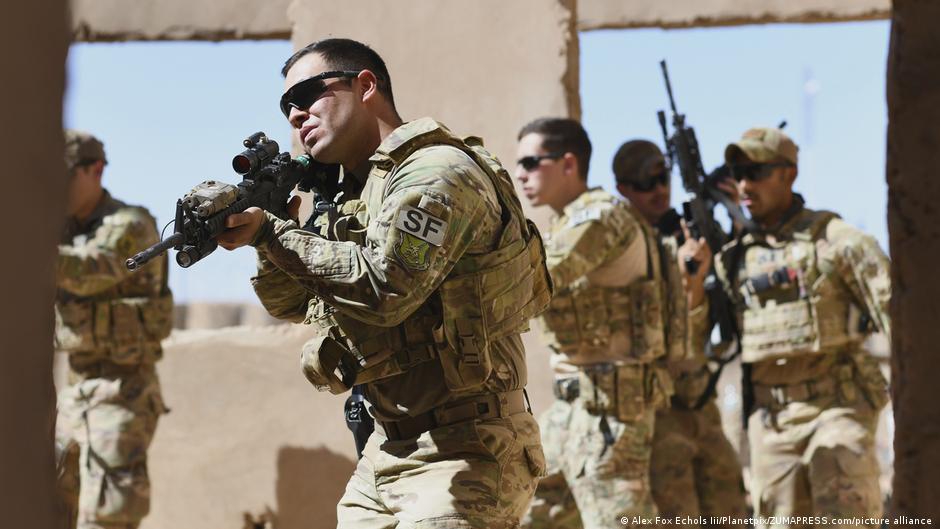
The United States continues to engage in security cooperation with the military-led governments of Burkina Faso, Mali, and Niger—nations governed by juntas that seized power through coups. This ongoing collaboration was confirmed by General John Brennan, Deputy Commander of U.S. Africa Command (AFRICOM).
Speaking on the matter, General Brennan acknowledged that while the U.S. remains engaged, the dynamics have shifted significantly from just two or three years ago.
“We are still working with them. We have even shared intelligence with some of these governments to target key terrorist cells, but the landscape is now far more complex,” he explained.
He further noted that Washington is actively trying to counter misinformation campaigns that portray U.S. intentions negatively. “There are other actors feeding them false narratives and disinformation. We are working to dismantle those networks.”
Experts suggest that this pragmatic approach stems from Washington’s priority to combat terrorism in the Sahel. However, it also raises questions about the consistency of U.S. policy toward regimes that emerged from military takeovers.
why the united states remains engaged in the Sahel
According to Abdoulmoumouni Abbas, a researcher specializing in radicalization prevention and violent extremism in the Sahel and Lake Chad region, U.S. interests in the area extend beyond counterterrorism efforts.
“The U.S. has substantial strategic interests in the Sahel, including combating drug trafficking, transnational organized crime, terrorism, and irregular migration. These issues are increasingly interconnected, particularly with the rise of transnational criminal networks,” he stated.
In recent months, the U.S. military has intensified intelligence-sharing and logistical support for Nigeria in its fight against Islamic State-affiliated militants. Yet, despite these efforts, General Brennan emphasized that Washington has no intention of replacing its military presence in Niger following the junta’s decision to expel U.S. troops—a move aimed at reassuring regional public opinion.
Comments are closed, but trackbacks and pingbacks are open.