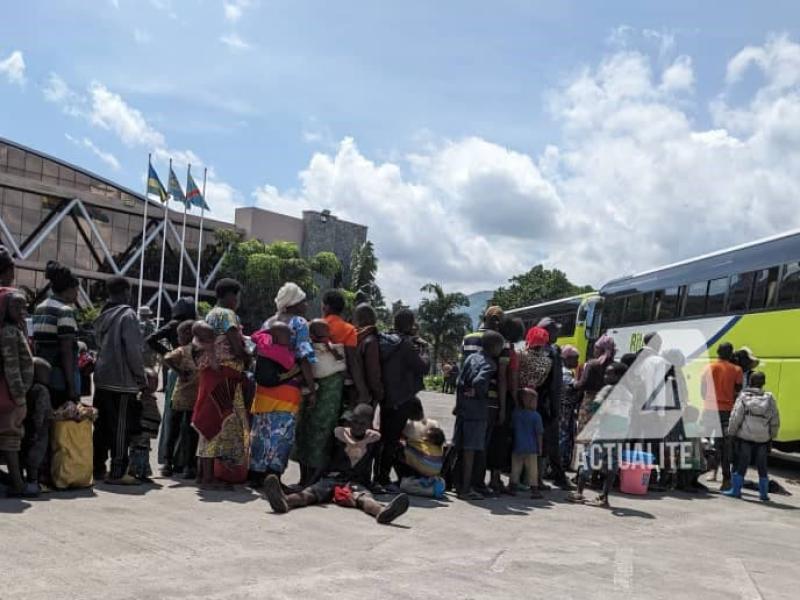
8,394 Rwandan refugees voluntarily repatriated from DRC, 10,000 target set for 2026
In a significant milestone for regional cooperation, the Democratic Republic of the Congo (DRC), Rwanda, and the United Nations High Commissioner for Refugees (UNHCR) have announced that 8,394 Rwandan refugees have been voluntarily repatriated from the DRC since January 2025. Among these, 2,347 returned in the first half of 2026 alone, marking steady progress toward the ambitious goal of 10,000 voluntary repatriations by the end of next year.
The announcement follows a high-level tripartite ministerial meeting held in Addis Ababa, Ethiopia, where officials from all three entities reviewed the implementation of the 2010 Tripartite Agreement on the voluntary repatriation of refugees between the DRC and Rwanda. The agreement, which also aligns with the 1951 Refugee Convention and the 1969 OAU Convention, seeks to provide durable solutions for displaced populations while ensuring safety and dignity.
The joint communiqué issued after the meeting highlighted the safe and dignified nature of the repatriations conducted so far. It also emphasized the importance of continuing this momentum to address the humanitarian needs of refugees currently living in both countries. Approximately 280,000 refugees and asylum seekers are currently registered across the DRC and Rwanda, underscoring the scale of the challenge still ahead.
Next steps and enhanced cooperation
To accelerate the process, the three parties agreed to several key measures:
- Institutionalized coordination: Regular quarterly meetings—both in-person and virtual—will be held starting in September 2026 to monitor progress and address challenges.
- Priority return zones: From October 2026, the DRC will identify priority return areas based on return intentions and information provided by Rwanda.
- Enhanced border facilitation: The Kamanyola (South Kivu, DRC) to Bugarama (Rwanda) border crossing will be designated as the primary point for voluntary repatriations. The DRC will develop transit routes to connect remote locations in South Kivu to this crossing.
- Health and safety protocols: Rwanda will continue to facilitate repatriations while adhering to regional health guidelines, including those related to the Ebola virus disease outbreak.
The communiqué also noted that the return of Congolese refugees from Rwanda remains unimplemented. To address this, the parties agreed to begin preparatory actions in October 2026, with a focus on identifying safe and sustainable return pathways.
Regional context and ongoing challenges
The repatriation initiative is taking place against a backdrop of persistent security concerns in eastern DRC, particularly in North and South Kivu provinces, where armed group activities continue to displace communities. The voluntary return of refugees is seen as a critical component of broader peacebuilding efforts in the region, especially within the frameworks of the Washington and Doha peace processes.
While the progress in repatriating Rwandan refugees from the DRC is encouraging, officials stressed the need for continued international support to ensure the sustainability of these returns. The UNHCR’s role as a neutral and impartial actor was reaffirmed as essential to achieving durable solutions for displaced populations.
A follow-up tripartite ministerial meeting is scheduled for June 2027, with the exact date and location to be announced through diplomatic channels. This meeting will assess the progress made and chart the next phase of cooperation to address the remaining refugee caseload in both countries.
Comments are closed, but trackbacks and pingbacks are open.