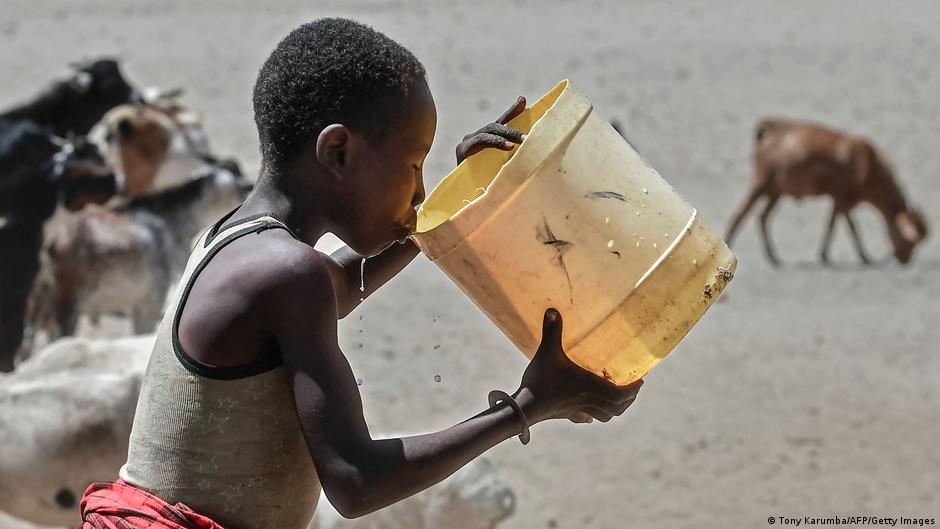
In N’Djamena, the African Water Forum has opened its doors, sparking a mix of hope and skepticism among local residents. As the capital hosts this high-profile event in collaboration with the World Bank Group, the pressing issue of water scarcity remains at the forefront of national concerns.
The forum, themed “From Vision to Action”, brings together African heads of state, technical experts, and financial partners to devise strategies for enhancing water access across the continent. Yet, beneath the diplomatic optimism, the harsh reality persists: nearly 40% of Chad’s population still lacks reliable access to clean drinking water, according to official estimates.
chadians voice their expectations and frustrations
voices of optimism
For many citizens, the forum presents a rare opportunity to push for tangible progress. Eliane, a housewife in N’Djamena, shares her hopes: “As a woman and a Chadian, I expect this forum to improve access to clean water. The quality of water some of us drink is appalling. If this gathering can bring change, why not?”
The event aims to shift political commitments into concrete projects by fostering partnerships between governments, donors, and the private sector to fast-track investments in water infrastructure.
growing skepticism
Not everyone shares Eliane’s optimism. Richard, a local teacher, voices his doubts: “We’ve seen these forums before, but nothing changes. I don’t believe this one will improve Chad’s water situation. What’s needed first is real political will.”
Moussa, a young shopkeeper, echoes similar concerns: “The funds spent organizing this event could have built thousands of water points directly. Often, these gatherings lead to recommendations that never see the light of day.”
These sentiments highlight the gap between high-level promises and the persistent struggles faced by communities, especially in rural areas.
deep-rooted disparities across Chad
While the government reports a national average of 63.5% access to clean water, this figure conceals stark regional disparities. In provinces such as Guéra, Wadi Fira, and Sila, only 10 to 21% of residents have access to safe drinking water.
Many communities still rely on contaminated water sources like seasonal ponds, exposing them to waterborne diseases and malnutrition. The National Human Rights Commission (CNDH) has urged authorities to accelerate investments in water infrastructure, sanitation, and climate-resilient water management.
Belngar Larmé Laguerre, CNDH’s president, stresses: “Access to water is not just about survival—it’s a cornerstone of peace, social cohesion, food security, and human development.”
questions over governance
The forum’s organization—handled by the Ministry of Finance rather than the Ministry of Water—has raised eyebrows. Observers question whether this reflects systemic challenges in public water policy governance. For millions of Chadians, the demand for sustainable access to clean water remains urgent and unmet.
Comments are closed, but trackbacks and pingbacks are open.