women’s rising political role in Benin gains momentum
Following his inauguration, Beninese President Romuald Wadagni appointed Captain Elvire Toupé as his aide-de-camp during the inaugural cabinet meeting on May 28. This historic appointment makes her the first Beninese woman to hold this position since the nation gained independence on August 1, 1960.
Previously serving in the Republican Guard, Captain Toupé now stands as a symbol of progress in a country where women continue to fight for greater political representation.
Honoring the legacy of the Dahomey Amazons
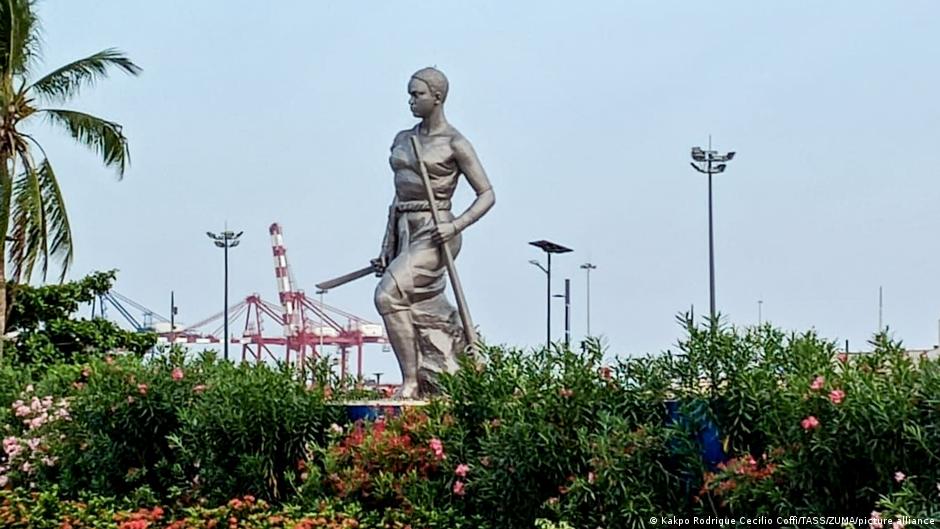
Journalist Wuldath Moussa Mama highlights how Captain Toupé’s appointment evokes the memory of the Agodjié—the elite female warriors of the Dahomey Kingdom, whom European colonizers famously dubbed the Amazons after Greek mythology.
“This appointment reflects the historical military contributions of women alongside Dahomey’s rulers. The famous Amazons were an elite corps within the kingdom’s armed forces. The question remains: Is this appointment an exception that proves the rule, or does it signal a new momentum encouraging women to take on greater leadership roles? Perhaps it opens a door that will push more women to claim their place in public life.”
Uneven progress in political representation
Benin’s current government includes six women among its ministers, holding portfolios such as Foreign Affairs, Higher Education, Family and Social Action, Domestic Trade, Employment and Vocational Training, and Communication and Media.
For comparison, the previous administration under President Patrice Talon had only five women in a 23-member cabinet. While progress is evident, the numbers remain modest.
In the National Assembly, elected in February 2026, women hold 28 out of 109 seats—25.7% of the total—matching the previous legislature’s figures. The electoral code mandates one reserved seat per constituency for women, leading to 24 of these seats being filled by female candidates, while four others secured their positions outside this quota.
Wuldath Moussa Mama emphasizes that “the picture still falls short, pointing to deeper challenges within political parties, including training for female activists and the space allocated to women within these organizations.”
Symbolic leadership with limited influence
The Vice Presidency, held by Mariam Chabi Talata Zimé Yérima since 2021, represents a symbolic breakthrough. However, her role remains largely protocolary under Benin’s Constitution, raising questions about the practical impact of such appointments on gender inclusivity in governance.
Call for greater female participation
Analyst Régis Hounkpè, a geopolitics and governance expert, views Captain Toupé’s appointment as a powerful model for young Beninese women. “Because these are women, they serve as role models. Young girls in Benin draw inspiration from them both in imagination and reality. The Amazons have been restored to an essential role—not just in the community, but in decision-making circles and the public sphere.”
He advocates for sustained efforts to encourage women to engage more actively in the nation’s political life, stressing that such symbolic victories must translate into tangible opportunities for leadership and influence.